

Compound atlas
The molecules that make plants, fungi and algae active, class by class: alkaloids, terpenoids and lactones, saponins, phenolic acids, flavonoids, curcuminoids, coumarins, anthraquinones, carotenoids, organosulfur compounds, polysaccharides and lipids. Each entry gives the structure, computed properties, where it occurs, how laboratories identify and measure it, how it degrades, what is known about its absorption in people, and safety, with sources.
Chemistry, not health claims. Laboratory activity does not mean an effect in people; each “What research reports” line says which kind of study it comes from. These statements have not been evaluated by the Food and Drug Administration. This information is not intended to diagnose, treat, cure or prevent any disease, or to replace any medication or medical advice.
Size and fat-solubility at a glance
Each dot is one compound: molecular weight across, and XLogP3, a computed measure of how much a molecule prefers fat to water, up. The shaded box marks the region of Lipinski's “rule of 5”, which found that poor absorption or permeation is more likely when a molecule has more than 5 hydrogen-bond donors, 10 acceptors, a molecular weight over 500, or a calculated log P over 5. PubChem's XLogP3 is used here in place of the CLogP the rule was written for. Many natural products fall outside the box; the rule describes likelihood, not fate. Pick a class to highlight it, then select a dot to jump to its entry.
Alkaloids
What they are. Nitrogen-containing (nitrogenous) specialized plant metabolites with diverse core structures. In this atlas the subclass is named after the core skeleton (isoquinoline, purine, indole, piperidine and others). Some carry a permanent positive charge, such as berberine, a quaternary ammonium compound.
Examples. Berberine, (−)-β-hydrastine, caffeine, theobromine, yohimbine, ephedrine, mesembrine, piperine
How they are measured. For the alkaloids in this set, reversed-phase HPLC-UV and LC-MS/MS are the documented methods; several botanical alkaloid methods passed AOAC multilaboratory collaborative studies (berberine and hydrastine in goldenseal; six ephedrine-type alkaloids in ephedra products).
Handling and absorption. Charge and structure drive absorption: caffeine showed essentially complete oral bioavailability (108.3 ± 3.6%) in ten men, whereas berberine gave plasma peaks below 1 ng/mL after 500 mg. Several alkaloids in this class change drug metabolism, for example (−)-β-hydrastine as a time-dependent CYP3A inhibitor.
Sources: Bhambhani S, et al. Diversity in chemical structures and biological properties of plant alkaloids. Molecules 2021;26(11):3374 (PMID 34204857); NIH LiverTox (NIDDK). Berberine (last update October 6, 2020); chapter summary as indexed in PubMed (PMID 33242239); Brown PN, Roman MC. Determination of hydrastine and berberine in goldenseal raw materials, extracts, and dietary supplements by HPLC with UV: collaborative study. J AOAC Int 2008;91(4):694-701 (PMID 18727526); Trujillo WA, Sorenson WR. Determination of ephedrine alkaloids in dietary supplements and botanicals by LC/MS/MS: collaborative study. J AOAC Int 2003;86(4):657-68 (PMID 14509421); Blanchard J, Sawers SJ. The absolute bioavailability of caffeine in man. Eur J Clin Pharmacol 1983;24(1):93-8 (PMID 6832208); Moon JM, et al. Absorption kinetics of berberine and dihydroberberine and their impact on glycemia: a randomized, controlled, crossover pilot trial. Nutrients 2021;14(1):124 (PMID 35010998); Nguyen JT, et al. An integrative approach to elucidate mechanisms underlying the pharmacokinetic goldenseal-midazolam interaction. J Pharmacol Exp Ther 2023;387(3):252-264 (PMID 37541764)
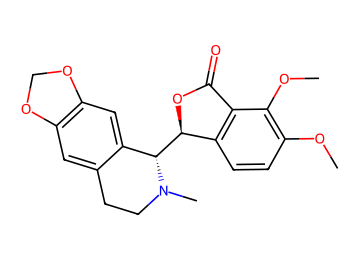
(−)-β-Hydrastine
Isoquinoline (phthalide-isoquinoline) alkaloid
- Formula
- C21H21NO6
- Mol. weight
- 383.4 g/mol
- XLogP3
- 2.7
- TPSA
- 66.5 Ų
- H-bond donors / acceptors
- 0 / 7
- Rotatable bonds
- 3
Computed properties: PubChem CID 197835, retrieved 2026-10-29.
Sources, analysis, stability, absorption and safety
Found in
- Hydrastis canadensis L. (goldenseal) — root (powdered and whole root material analyzed) [1]
What research reports
- Laboratory and modeling study: in human intestinal microsomes (−)-β-hydrastine was a more potent time-dependent inhibitor of CYP3A (midazolam 1′-hydroxylation) than berberine (KI 8.48 µM, kinact 0.041 min⁻¹); physiologically based simulations implicated it as the main goldenseal alkaloid behind the clinical midazolam interaction. [3]
How it is identified and measured
- AOAC collaborative study (9 laboratories): HPLC-UV at 230 nm on a C18 column quantified hydrastine and berberine in goldenseal raw materials, extracts and supplements; hydrastine reproducibility RSD 2.68–6.65% (HorRat 0.77–1.89); recommended for AOAC Official First Action. [1]
- Validated LC-MS/MS assay for hydrastine and berberine in human serum (noscapine internal standard; LLOQ 0.1 ng/mL; hydrastine recovery 82.4–96.2%). [2]
Standardization
- In the AOAC collaborative study, powdered root and capsule products contained from about 0.2% to about 4% (w/w) of each alkaloid, and liquid tinctures about 4000–5000 µg/mL of each. [1]
Stability
- In the validated serum assay, hydrastine, berberine and the internal standard were stable for 24 h at room temperature (CV 5–10%). [2]
Absorption in people
- The serum assay was applied to human pharmacokinetics after a single oral dose of goldenseal extract containing 77 mg hydrastine and 132 mg berberine. [2]
Safety
- Goldenseal raised midazolam AUC and Cmax by 40–60% in healthy adults after acute (3 g) and chronic (1 g three times daily for 6 days) dosing, consistent with inhibition of intestinal CYP3A. [3]
- NCCIH: goldenseal may change how the body processes many medications; in one NCCIH-funded study metformin levels fell about 25% in healthy adults given goldenseal extract. [4]
In the Supplements A–Z guide: Goldenseal · Berberine
- Brown PN, Roman MC. Determination of hydrastine and berberine in goldenseal raw materials, extracts, and dietary supplements by HPLC with UV: collaborative study. J AOAC Int 2008;91(4):694-701 (PMID 18727526), 2008-07. pubmed.ncbi.nlm.nih.gov
- Gupta PK, et al. Validation of a liquid chromatography-tandem mass spectrometric assay for the quantitative determination of hydrastine and berberine in human serum. J Pharm Biomed Anal 2009;49(4):1021-6 (PMID 19269122), 2009-05-01. pubmed.ncbi.nlm.nih.gov
- Nguyen JT, et al. An integrative approach to elucidate mechanisms underlying the pharmacokinetic goldenseal-midazolam interaction. J Pharmacol Exp Ther 2023;387(3):252-264 (PMID 37541764), 2023-12. pubmed.ncbi.nlm.nih.gov
- NCCIH. Goldenseal (last updated February 2025), 2025-02. nccih.nih.gov
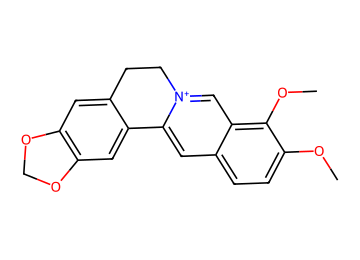
Berberine
Isoquinoline (protoberberine) alkaloid; quaternary ammonium cation
- Formula
- C20H18NO4+
- Mol. weight
- 336.4 g/mol
- XLogP3
- 3.6
- TPSA
- 40.8 Ų
- H-bond donors / acceptors
- 0 / 4
- Rotatable bonds
- 2
Computed properties: PubChem CID 2353, retrieved 2026-10-29.
Sources, analysis, stability, absorption and safety
Found in
- Hydrastis canadensis L. (goldenseal) — root (powdered and whole root material, extracts and finished products analyzed) [3]
- European barberry, goldthread, Oregon grape, phellodendron and tree turmeric (common names as listed by NCCIH) [1]
What research reports
- Human trials summarized by NCCIH (June 2023): some evidence of a modest effect on blood glucose in people with type 2 diabetes and on cholesterol; too few clinical trials to judge an effect on weight loss. [1]
- Review of metabolism studies: berberine is extensively metabolized by demethylation, demethylenation, reduction, hydroxylation and conjugation, and metabolites such as columbamine, berberrubine and demethyleneberberine are reported to show pharmacological effects similar to berberine. [6]
How it is identified and measured
- AOAC collaborative study (9 laboratories): HPLC on a C18 column with UV detection at 230 nm, after extraction with acidified water/acetonitrile, quantified berberine and hydrastine in goldenseal raw materials, extracts and finished supplements (powdered root and capsule results about 0.2 to 4% w/w per alkaloid). Berberine reproducibility RSD was 5.66–7.68% (HorRat 1.32–2.12); recommended for AOAC Official First Action. [3]
- Validated LC-MS/MS (positive electrospray) assay for berberine and hydrastine in human serum, with a lower limit of quantification of 0.1 ng/mL and analytical recovery of 94.4–96.0% for berberine. [4]
Absorption in people
- Crossover pilot trial in five men (four doses each): after 500 mg berberine, peak plasma berberine was 0.4 ± 0.17 ng/mL, versus 3.76 ± 1.4 ng/mL after 100 mg dihydroberberine. [7]
- NCCIH: when goldenseal is taken orally, very little berberine may be absorbed, so results of berberine studies may not apply to goldenseal. [2]
Safety
- NCCIH: most common adverse effects are abdominal pain, constipation, diarrhea, nausea and vomiting. Berberine should not be used in pregnancy or breastfeeding or given to infants; it can cause or worsen jaundice in newborns and could lead to kernicterus. It may interact with medicines. [1]
- Goldenseal (single 3 g dose, or 1 g three times daily for 6 days) raised midazolam AUC and Cmax by 40–60% in healthy adults; in human intestinal microsomes berberine was a weaker time-dependent CYP3A inhibitor than (−)-β-hydrastine. [5]
- NIH LiverTox: berberine has not been linked to serum aminotransferase elevations during therapy or to clinically apparent liver injury. [8]
In the Supplements A–Z guide: Berberine · Goldenseal
- NCCIH. In the News: Berberine (last updated June 2023), 2023-06. nccih.nih.gov
- NCCIH. Goldenseal (last updated February 2025), 2025-02. nccih.nih.gov
- Brown PN, Roman MC. Determination of hydrastine and berberine in goldenseal raw materials, extracts, and dietary supplements by HPLC with UV: collaborative study. J AOAC Int 2008;91(4):694-701 (PMID 18727526), 2008-07. pubmed.ncbi.nlm.nih.gov
- Gupta PK, et al. Validation of a liquid chromatography-tandem mass spectrometric assay for the quantitative determination of hydrastine and berberine in human serum. J Pharm Biomed Anal 2009;49(4):1021-6 (PMID 19269122), 2009-05-01. pubmed.ncbi.nlm.nih.gov
- Nguyen JT, et al. An integrative approach to elucidate mechanisms underlying the pharmacokinetic goldenseal-midazolam interaction. J Pharmacol Exp Ther 2023;387(3):252-264 (PMID 37541764), 2023-12. pubmed.ncbi.nlm.nih.gov
- Wang K, et al. The metabolism of berberine and its contribution to the pharmacological effects. Drug Metab Rev 2017;49(2):139-157 (PMID 28290706), 2017-05. pubmed.ncbi.nlm.nih.gov
- Moon JM, et al. Absorption kinetics of berberine and dihydroberberine and their impact on glycemia: a randomized, controlled, crossover pilot trial. Nutrients 2021;14(1):124 (PMID 35010998), 2021-12-28. pubmed.ncbi.nlm.nih.gov
- NIH LiverTox (NIDDK). Berberine (last update October 6, 2020); chapter summary as indexed in PubMed (PMID 33242239), 2020-10-06. pubmed.ncbi.nlm.nih.gov
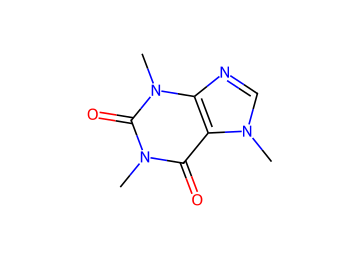
Caffeine
Purine alkaloid (1,3,7-trimethylxanthine)
- Formula
- C8H10N4O2
- Mol. weight
- 194.19 g/mol
- XLogP3
- -0.1
- TPSA
- 58.4 Ų
- H-bond donors / acceptors
- 0 / 3
- Rotatable bonds
- 0
Computed properties: PubChem CID 2519, retrieved 2026-10-29.
Sources, analysis, stability, absorption and safety
Found in
- Coffea arabica and Coffea canephora (coffee) — seed (green coffee bean) [1]
What research reports
- Human research summarized by NIH ODS: caffeine supplementation is more likely to help with endurance-type activities (such as running) than with short, intense anaerobic bouts (sprinting, weight lifting); doses studied were about 2–6 mg/kg body weight before exercise. [2]
How it is identified and measured
- Validated LC-UV method determined caffeine, theophylline and theobromine in coffee, tea, cola and energy drinks by direct injection after filtration, with no matrix effect found; caffeine ranged from 100 to 3050 mg/L in the samples. [3]
Standardization
- In green beans from nine countries analyzed by HPLC-ESI-MS/MS, C. canephora always had a higher caffeine content than C. arabica. [1]
Absorption in people
- Ten healthy men, 5 mg/kg oral solution versus intravenous infusion (crossover): absolute oral bioavailability 108.3 ± 3.6%, peak plasma at 29.8 ± 8.1 min, Cmax 10.0 ± 1.0 µg/mL; plasma half-lives ranged from 2.7 to 9.9 h. [4]
- Population PK in 24 subjects: caffeine clearance 0.083 L/min, falling to 0.038 L/min with oral contraceptive use; volume of distribution 38.6 L. [5]
Safety
- FDA (content current as of August 28, 2024): 400 mg a day is cited as an amount not generally associated with negative effects for most adults; toxic effects such as seizures can be observed with rapid consumption of around 1,200 mg. [6]
- EFSA (2015 opinion): single doses up to 200 mg (about 3 mg/kg bw) from all sources do not raise safety concerns for the general healthy adult population; intakes up to 400 mg per day do not raise safety concerns for healthy adults except pregnant women, for whom up to 200 mg per day does not raise concerns for the fetus. Single doses of 100 mg may affect sleep in some adults, particularly close to bedtime. [7]
- NIH LiverTox: caffeine consumption, even in high doses, has not been associated with serum enzyme elevations or clinically apparent liver injury. [8]
In the Supplements A–Z guide: Caffeine · Green tea · L theanine · Ephedra · Bitter orange · Echinacea
- Babova O, et al. Chemical partitioning and antioxidant capacity of green coffee (Coffea arabica and Coffea canephora) of different geographical origin. Phytochemistry 2016;123:33-9 (PMID 26837609), 2016-03. pubmed.ncbi.nlm.nih.gov
- NIH Office of Dietary Supplements. Dietary Supplements for Exercise and Athletic Performance: Fact Sheet for Health Professionals, caffeine section (page last modified October 25, 2026), 2026-10-25. ods.od.nih.gov
- Buiarelli F, et al. A rapid and accurate method for the determination of methylxanthines in different nervous system stimulant beverages. J AOAC Int 2019;102(3):865-871 (PMID 30704551), 2019-05-01. pubmed.ncbi.nlm.nih.gov
- Blanchard J, Sawers SJ. The absolute bioavailability of caffeine in man. Eur J Clin Pharmacol 1983;24(1):93-8 (PMID 6832208), 1983. pubmed.ncbi.nlm.nih.gov
- Csajka C, et al. Mechanistic pharmacokinetic modeling of ephedrine, norephedrine and caffeine in healthy subjects. Br J Clin Pharmacol 2005;59(3):335-45 (PMID 15752380), 2005-03. pubmed.ncbi.nlm.nih.gov
- U.S. FDA. Spilling the Beans: How Much Caffeine Is Too Much? (content current as of 08/28/2024), 2024-08-28. fda.gov
- EFSA. Caffeine (topic page summarizing the 2015 Scientific Opinion on the safety of caffeine), 2015-05. efsa.europa.eu
- NIH LiverTox (NIDDK). Caffeine (last update June 18, 2020); chapter summary as indexed in PubMed (PMID 32716623), 2020-06-18. pubmed.ncbi.nlm.nih.gov
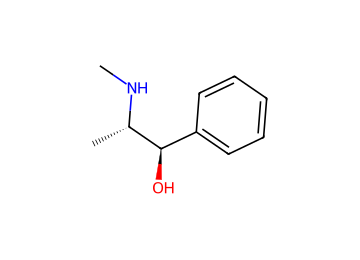
Ephedrine
Ephedrine-type (phenethylamine) alkaloid; FDA groups six such alkaloids as "ephedrine alkaloids"
- Formula
- C10H15NO
- Mol. weight
- 165.23 g/mol
- XLogP3
- 0.9
- TPSA
- 32.3 Ų
- H-bond donors / acceptors
- 2 / 2
- Rotatable bonds
- 3
Computed properties: PubChem CID 9294, retrieved 2026-10-29.
Sources, analysis, stability, absorption and safety
Found in
- Ephedra sinica Stapf, E. equisetina Bunge, E. intermedia var. tibetica Stapf, E. distachya L. (ma huang) [1]
- Ephedra sinica (ma huang) — stem and branches [2]
- Sida cordifolia L. and Pinellia ternata (Thunb.) Makino (other plant sources named by FDA) [1]
What research reports
- NCCIH (November 2024): before the 2004 US ban, studies showed that supplements containing ephedrine alkaloids, usually with caffeine, had modest short-term effects on weight loss, considered insufficient to outweigh their serious risks; evidence on athletic performance was insufficient. [2]
How it is identified and measured
- AOAC collaborative study (10 laboratories): LC-MS/MS on a phenyl column determined six ephedrine-type alkaloids (norephedrine, norpseudoephedrine, ephedrine, pseudoephedrine, methylephedrine, methylpseudoephedrine) in supplements and botanicals; recommended for Official First Action. [3]
- AOAC international collaborative study of HPLC-UV at 210 nm on a polar-embedded phenyl column after strong-cation-exchange solid-phase cleanup; ephedrine reproducibility RSD 2.1–6.6% and recoveries 84.7–87.2%. [4]
Standardization
- FDA (2004): proportions of the ephedrine alkaloids vary between species, but in most commercially used species ephedrine is typically the predominant alkaloid in the raw material. North American Ephedra species sold as desert herb, squaw tea, Brigham tea or Mormon tea do not contain ephedrine alkaloids. [1]
Absorption in people
- Population PK in 24 healthy subjects: ephedrine was eliminated mostly renally (clearance 0.34 L/min, volume of distribution 181 L); co-administered caffeine was associated with slower ephedrine absorption. [5]
Safety
- FDA final rule (effective April 12, 2004; 21 CFR 119.1) declared dietary supplements containing ephedrine alkaloids adulterated because they present an unreasonable risk of illness or injury; FDA cited raised blood pressure and heart rate and risks including stroke, heart attack and death. [1]
- NCCIH: even at relatively low doses and short-term use, ephedra has been linked to high blood pressure, heart attack, seizure, stroke and psychosis; use in pregnancy, breastfeeding and children is considered unsafe. [2]
- NIH LiverTox: Ma Huang and Ephedra species containing ephedrine alkaloids have been linked to multiple potentially severe side effects, including clinically apparent liver injury. [6]
In the Supplements A–Z guide: Ephedra · Bitter orange
- U.S. FDA. Final Rule Declaring Dietary Supplements Containing Ephedrine Alkaloids Adulterated Because They Present an Unreasonable Risk. Federal Register 69 FR 6788, February 11, 2004, 2004-02-11. govinfo.gov
- NCCIH. Ephedra (last updated November 2024), 2024-11. nccih.nih.gov
- Trujillo WA, Sorenson WR. Determination of ephedrine alkaloids in dietary supplements and botanicals by LC/MS/MS: collaborative study. J AOAC Int 2003;86(4):657-68 (PMID 14509421), 2003-07. pubmed.ncbi.nlm.nih.gov
- Roman MC. Determination of ephedrine alkaloids in botanicals and dietary supplements by HPLC-UV: collaborative study. J AOAC Int 2004;87(1):1-14 (PMID 15084081), 2004-01. pubmed.ncbi.nlm.nih.gov
- Csajka C, et al. Mechanistic pharmacokinetic modeling of ephedrine, norephedrine and caffeine in healthy subjects. Br J Clin Pharmacol 2005;59(3):335-45 (PMID 15752380), 2005-03. pubmed.ncbi.nlm.nih.gov
- NIH LiverTox (NIDDK). Ephedra (last update February 10, 2018); chapter summary as indexed in PubMed (PMID 31644021), 2018-02-10. pubmed.ncbi.nlm.nih.gov
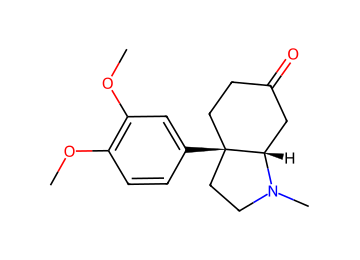
Mesembrine
Mesembrine-type (3a-aryl-octahydroindole) alkaloid
- Formula
- C17H23NO3
- Mol. weight
- 289.4 g/mol
- XLogP3
- 2
- TPSA
- 38.8 Ų
- H-bond donors / acceptors
- 0 / 4
- Rotatable bonds
- 3
Computed properties: PubChem CID 394162, retrieved 2026-10-29.
Sources, analysis, stability, absorption and safety
Found in
- Sceletium tortuosum (L.) N.E.Br. (kanna) — aerial parts [1]
What research reports
- Review: 25 alkaloids in four structural classes (mesembrine, Sceletium A4, joubertiamine, tortuosamine) have been identified in S. tortuosum, and its reported pharmacological actions are attributed to the mesembrine-type alkaloids. [2]
- Human trial of an extract, not of pure mesembrine: in a double-blind crossover fMRI study in 16 healthy participants, a single 25 mg dose of the standardized extract Zembrin attenuated amygdala reactivity to fearful faces under low perceptual load; the extract is described as a dual 5-HT reuptake and PDE4 inhibitor. [3]
How it is identified and measured
- Mesembrine content and its conversion products were monitored by HPLC (quantitative) and LC-MS (qualitative). [1]
- Metabolites of mesembrine and mesembrenone were identified by GC-MS and LC-high-resolution-MSⁿ in rat urine and pooled human liver preparations (O- and N-demethylation, dihydration, hydroxylation, then glucuronidation or sulfation). [4]
Stability
- During fermentation of aerial parts (the traditional 'kougoed' preparation), mesembrine fell from 1.33% to 0.05% while Δ7-mesembrenone rose from below the limit of quantitation to 0.11% by day 10. Pure mesembrine hydrochloride showed the same transformation in aqueous solution, but not in methanol; sunlight and aqueous conditions appeared necessary. [1]
Absorption in people
- Laboratory (ex vivo porcine tissue), not human pharmacokinetics: permeability of mesembrine across intestinal mucosa was higher than that of the high-permeability reference caffeine, and lower across sublingual and buccal mucosa. [5]
Safety
- Human safety trial of an extract (Zembrin 8 mg or 25 mg daily for 3 months, 37 healthy adults): no apparent differences between treatments and placebo in vital signs, ECG, body weight or physical examination, and no significant changes in hematology or biochemistry from screening to study end; both doses were well tolerated. [6]
In the Supplements A–Z guide: Kanna
- Patnala S, Kanfer I. Investigations of the phytochemical content of Sceletium tortuosum following the preparation of "Kougoed" by fermentation of plant material. J Ethnopharmacol 2009;121(1):86-91 (PMID 18996176), 2009-01-12. pubmed.ncbi.nlm.nih.gov
- Olatunji TL, et al. Sceletium tortuosum: a review on its phytochemistry, pharmacokinetics, biological, pre-clinical and clinical activities. J Ethnopharmacol 2022;287:114711 (PMID 34758918), 2022-04-06. pubmed.ncbi.nlm.nih.gov
- Terburg D, et al. Acute effects of Sceletium tortuosum (Zembrin), a dual 5-HT reuptake and PDE4 inhibitor, in the human amygdala and its connection to the hypothalamus. Neuropsychopharmacology 2013;38(13):2708-16 (PMID 23903032), 2013-12. pubmed.ncbi.nlm.nih.gov
- Meyer GM, et al. GC-MS, LC-MSn, LC-high resolution-MSn, and NMR studies on the metabolism and toxicological detection of mesembrine and mesembrenone. Anal Bioanal Chem 2015;407(3):761-78 (PMID 25240931), 2015-01. pubmed.ncbi.nlm.nih.gov
- Shikanga EA, et al. In vitro permeation of mesembrine alkaloids from Sceletium tortuosum across porcine buccal, sublingual, and intestinal mucosa. Planta Med 2012;78(3):260-8 (PMID 22105579), 2012-02. pubmed.ncbi.nlm.nih.gov
- Nell H, et al. A randomized, double-blind, parallel-group, placebo-controlled trial of extract Sceletium tortuosum (Zembrin) in healthy adults. J Altern Complement Med 2013;19(11):898-904 (PMID 23441963), 2013-11. pubmed.ncbi.nlm.nih.gov
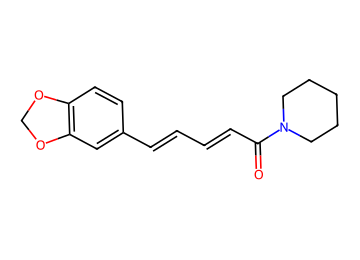
Piperine
Piperidine alkaloid (piperoyl amide)
- Formula
- C17H19NO3
- Mol. weight
- 285.34 g/mol
- XLogP3
- 3.5
- TPSA
- 38.8 Ų
- H-bond donors / acceptors
- 0 / 3
- Rotatable bonds
- 3
Computed properties: PubChem CID 638024, retrieved 2026-10-29.
Sources, analysis, stability, absorption and safety
Found in
What research reports
- Human study: 20 mg piperine taken with 2 g curcumin gave much higher serum curcumin from 0.25 to 1 h than curcumin alone (reported as a 2000% increase in bioavailability); the authors describe piperine as an inhibitor of hepatic and intestinal glucuronidation. [3]
- Laboratory: piperine inhibited P-glycoprotein-mediated digoxin and cyclosporine transport in Caco-2 cells (IC50 15.5 and 74.1 µM) and CYP3A4 in human liver microsomes (Ki 36–77 µM, mixed inhibition). [4]
How it is identified and measured
- HPLC method resolving piperine and its three photo-isomers (isopiperine, chavicine, isochavicine), LOD about 15–30 ng each, with recoveries of 96–104%; identities confirmed by LC-DAD/MS. [1]
- Validated UFLC-ESI-MS/MS (MRM) method for piperine and four other Piper alkaloids, with LOD 0.02–0.03 ng/mL and recovery 90.0–103.5%; P. longum had lower piperine content than P. nigrum. [2]
Stability
- Piperine undergoes light-induced cis–trans isomerization to isopiperine, chavicine and isochavicine under fluorescent light, sunlight and 254 nm UV; isomerization increased with light intensity and exposure time and leveled off at a photostationary state. [1]
Absorption in people
- Review: low aqueous solubility is the main barrier to piperine's development as a drug; delivery systems have been used to address it. [5]
Safety
- Open-label study in 12 healthy volunteers: piperine 20 mg daily for 10 days raised carbamazepine Cmax by 68.7%, AUC by 47.9% and half-life by 43.2%; the authors advise caution when piperine is combined with drugs metabolized by CYP3A4. [6]
In the Supplements A–Z guide: Turmeric
- Kozukue N, et al. Kinetics of light-induced cis-trans isomerization of four piperines and their levels in ground black peppers as determined by HPLC and LC/MS. J Agric Food Chem 2007;55(17):7131-9 (PMID 17661483), 2007-08-22. pubmed.ncbi.nlm.nih.gov
- Liu HL, et al. Identification and simultaneous quantification of five alkaloids in Piper longum L. by HPLC-ESI-MSn and UFLC-ESI-MS/MS and their application to Piper nigrum L. Food Chem 2015;177:191-6 (PMID 25660876), 2015-06-15. pubmed.ncbi.nlm.nih.gov
- Shoba G, et al. Influence of piperine on the pharmacokinetics of curcumin in animals and human volunteers. Planta Med 1998;64(4):353-6 (PMID 9619120), 1998-05. pubmed.ncbi.nlm.nih.gov
- Bhardwaj RK, et al. Piperine, a major constituent of black pepper, inhibits human P-glycoprotein and CYP3A4. J Pharmacol Exp Ther 2002;302(2):645-50 (PMID 12130727), 2002-08. pubmed.ncbi.nlm.nih.gov
- Quijia CR, et al. Characteristics, biological properties and analytical methods of piperine: a review. Crit Rev Anal Chem 2020;50(1):62-77 (PMID 30810335), 2020. pubmed.ncbi.nlm.nih.gov
- Bedada SK, Boga PK. Effect of piperine on the metabolism and pharmacokinetics of carbamazepine in healthy volunteers. Drug Res (Stuttg) 2017;67(1):46-51 (PMID 27776366), 2017-01. pubmed.ncbi.nlm.nih.gov
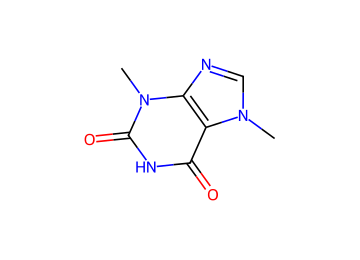
Theobromine
Purine alkaloid (3,7-dimethylxanthine)
- Formula
- C7H8N4O2
- Mol. weight
- 180.16 g/mol
- XLogP3
- -0.8
- TPSA
- 67.2 Ų
- H-bond donors / acceptors
- 1 / 3
- Rotatable bonds
- 0
Computed properties: PubChem CID 5429, retrieved 2026-10-29.
Sources, analysis, stability, absorption and safety
Found in
- Theobroma cacao L. (cocoa) — seed (cocoa bean) [1]
What research reports
- Theobromine, caffeine and theophylline are methylxanthines found in coffee, tea, cola and cocoa, described as nervous-system stimulants. [2]
How it is identified and measured
- Validated LC-UV method for simultaneous determination of theobromine, theophylline and caffeine in beverages (validated for linearity, LOD/LOQ, accuracy and reproducibility). [2]
- Theobromine and six metabolites in plasma, saliva and urine were separated and quantified by combining HPLC with capillary electrophoresis. [3]
Absorption in people
- Six healthy men, oral dosing: theobromine half-life 7.2 h, total plasma clearance 1.20 mL/min/kg, versus 4.1 h and 2.07 mL/min/kg for caffeine. [4]
- After 500 mg oral theobromine in healthy adults, unchanged theobromine was 21 ± 4% of total urinary excretion; the main metabolites were 7-methylxanthine (36 ± 5%), 3-methylxanthine (21 ± 4%) and 6-amino-5-[N-methylformylamino]-1-methyluracil (11 ± 4%). [3]
- Maldonado YE, et al. Microwave-assisted extraction optimization and effect of drying temperature on catechins, procyanidins and theobromine in cocoa beans. Molecules 2023;28(9):3755 (PMID 37175166), 2023-04-27. pubmed.ncbi.nlm.nih.gov
- Buiarelli F, et al. A rapid and accurate method for the determination of methylxanthines in different nervous system stimulant beverages. J AOAC Int 2019;102(3):865-871 (PMID 30704551), 2019-05-01. pubmed.ncbi.nlm.nih.gov
- Rodopoulos N, et al. Elimination of theobromine metabolites in healthy adults. Scand J Clin Lab Invest 1996;56(4):373-83 (PMID 8837245), 1996-07. pubmed.ncbi.nlm.nih.gov
- Lelo A, et al. Comparative pharmacokinetics of caffeine and its primary demethylated metabolites paraxanthine, theobromine and theophylline in man. Br J Clin Pharmacol 1986;22(2):177-82 (PMID 3756065), 1986-08. pubmed.ncbi.nlm.nih.gov
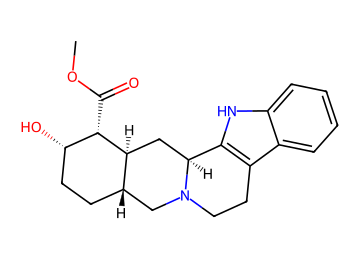
Yohimbine
Indole (monoterpenoid indole, yohimbane) alkaloid
- Formula
- C21H26N2O3
- Mol. weight
- 354.4 g/mol
- XLogP3
- 2.9
- TPSA
- 65.6 Ų
- H-bond donors / acceptors
- 2 / 4
- Rotatable bonds
- 2
Computed properties: PubChem CID 8969, retrieved 2026-10-29.
Sources, analysis, stability, absorption and safety
Found in
- Pausinystalia johimbe (yohimbe; Rubiaceae; NCCIH spells it P. yohimbe) — stem bark [1]
What research reports
- NCCIH (May 2025): there is very little research in people on yohimbe as a dietary supplement and not enough evidence to conclude it is effective for any health condition, including erectile dysfunction, athletic performance or obesity. [2]
How it is identified and measured
- Single-laboratory validated UHPLC-DAD/MS method (BEH C18, ammonium hydroxide/methanol gradient) that separates corynanthine from yohimbine, which the authors call critical for accurate quantitation in yohimbe bark and supplements. [3]
- Capillary GC (methyl silicone column, N-P detection) after chloroform–water partitioning, used to compare commercial products with authentic bark. [4]
- UHPLC with photodiode-array and QTOF-MS detection quantified yohimbine, rauwolscine and corynanthine in 49 US supplement brands, confirming identity by retention time, UV and mass spectra against reference standards. [5]
Standardization
- Authentic bark measured 7089 ppm yohimbine by GC, while commercial products ranged from <0.1 to 489 ppm; the paper cites earlier reports of up to 6% total alkaloids in bark, 10–15% of them yohimbine. [4]
- Yohimbine per serving in 49 US supplements ranged from none detected to 12.1 mg; only 11 listed a quantity, and those contained 23–147% of the labeled amount. 19 of 49 lacked rauwolscine and corynanthine, suggesting synthetic or highly processed yohimbine. [5]
- In 12 commercial raw bark materials, yohimbine ranged from 0.1 to 0.91% (not detected in one); three samples were probably adulterated. [1]
Absorption in people
- Eight young men, single oral 10 mg yohimbine hydrochloride: absorption half-time 0.17 ± 0.11 h, elimination half-life 0.60 ± 0.26 h; 0.35 ± 0.50% of the dose appeared unchanged in urine over 24 h, indicating elimination mainly by metabolism. [6]
Safety
- NCCIH: yohimbine has been associated with cardiac arrhythmia, blood pressure problems, heart attacks and seizures; yohimbe should not be used with MAO inhibitors or tricyclic antidepressants, and oral use may be unsafe in pregnancy or breastfeeding. Yohimbe supplements have been restricted or banned in many countries. [2]
- NIH LiverTox: yohimbine use has been associated with occasional severe adverse events but not with serum enzyme elevations or clinically apparent acute liver injury. [7]
In the Supplements A–Z guide: Yohimbe
- Raman V, et al. Microscopic and UPLC-UV-MS analyses of authentic and commercial yohimbe (Pausinystalia johimbe) bark samples. J Nat Med 2013;67(1):42-50 (PMID 22402817), 2013-01. pubmed.ncbi.nlm.nih.gov
- NCCIH. Yohimbe: Usefulness and Safety (last updated May 2025), 2025-05. nccih.nih.gov
- Chen P, et al. Determination of yohimbine in yohimbe bark and related dietary supplements using UHPLC-UV/MS: single-laboratory validation. J AOAC Int 2015;98(4):896-901 (PMID 26268969), 2015-07. pubmed.ncbi.nlm.nih.gov
- Betz JM, et al. Gas chromatographic determination of yohimbine in commercial yohimbe products. J AOAC Int 1995;78(5):1189-94 (PMID 7549534), 1995-09. pubmed.ncbi.nlm.nih.gov
- Cohen PA, et al. Pharmaceutical quantities of yohimbine found in dietary supplements in the USA. Drug Test Anal 2016;8(3-4):357-69 (PMID 26391406), 2016-03. pubmed.ncbi.nlm.nih.gov
- Owen JA, et al. The pharmacokinetics of yohimbine in man. Eur J Clin Pharmacol 1987;32(6):577-82 (PMID 3653227), 1987. pubmed.ncbi.nlm.nih.gov
- NIH LiverTox (NIDDK). Yohimbine (last update April 5, 2020); chapter summary as indexed in PubMed (PMID 31644013), 2020-04-05. pubmed.ncbi.nlm.nih.gov
Terpenoids
What they are. Structurally diverse plant metabolites formed from five-carbon (C5) isoprene units; the PubChem formulas of the examples show the multiples, from C10 (menthol, C10H20O) and C15 (valerenic acid, C15H22O2) to the C30 boswellic acid skeleton of AKBA (C32H48O5 with its acetyl group). Iridoid glucosides such as harpagoside also belong here.
Examples. Menthol, thymol, carvacrol, 1,8-cineole, linalool (C10); valerenic acid (C15); harpagoside (iridoid glucoside); 3-O-acetyl-11-keto-β-boswellic acid (triterpenoid acid)
How they are measured. Volatile monoterpenes are analyzed by GC, for example GC-MS of hydrodistilled peppermint oil or headspace solid-phase microextraction GC of thymol metabolites in plasma; non-volatile valerenic acids are assayed by HPLC. European Pharmacopoeia specifications often set a minimum marker content, e.g. eucalyptus oil at least 70.0% 1,8-cineole, thyme at least 40% thymol + carvacrol in the oil, valerian root at least 0.17% sesquiterpenic acids as valerenic acid.
Handling and absorption. Small monoterpenes appear in plasma mainly as conjugates: only menthol glucuronide, not free menthol, was measurable after 100 mg L-menthol, and only thymol sulfate after a thyme preparation. Linalool forms strongly skin-sensitizing hydroperoxides on exposure to air.
Sources: Câmara JS, et al. Plant-derived terpenoids: a plethora of bioactive compounds with several health functions and industrial applications. Molecules 2024;29(16):3861 (PMID 39202940); EMA HMPC. Assessment report on Eucalyptus globulus Labill., E. polybractea R.T. Baker, E. smithii R.T. Baker, aetheroleum, Revision 1 (EMA/HMPC/320282/2023, 20 November 2024); EMA HMPC. Assessment report on Thymus vulgaris L., vulgaris zygis L., herba (EMA/HMPC/342334/2013, 12 November 2013); EMA HMPC. Assessment report on Valeriana officinalis L., radix and Valeriana officinalis L., aetheroleum (EMA/HMPC/150846/2015, 2 February 2016); EMA HMPC. Assessment report on Mentha x piperita L., folium and aetheroleum, Revision 1 (EMA/HMPC/522409/2013, 15 January 2020); Kohlert C, et al. Systemic availability and pharmacokinetics of thymol in humans. J Clin Pharmacol 2002;42(7):731-7 (PMID 12092740); de Groot A. Linalool hydroperoxides. Dermatitis 2019;30(4):243-246 (PMID 31313746); Rohloff J, et al. Effect of harvest time and drying method on biomass production, essential oil yield, and quality of peppermint (Mentha x piperita L.). J Agric Food Chem 2005;53(10):4143-8 (PMID 15884852); EMA HMPC. Assessment report on Harpagophytum procumbens DC. and/or Harpagophytum zeyheri Decne., radix (EMA/HMPC/627058/2015, 12 July 2016)
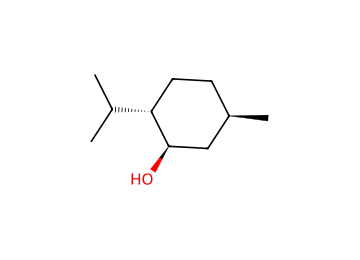
(−)-Menthol (L-menthol)
Monoterpene (C10) alcohol, p-menthane type
- Formula
- C10H20O
- Mol. weight
- 156.26 g/mol
- XLogP3
- 3
- TPSA
- 20.2 Ų
- H-bond donors / acceptors
- 1 / 1
- Rotatable bonds
- 1
Computed properties: PubChem CID 16666, retrieved 2026-10-29.
Sources, analysis, stability, absorption and safety
Found in
- Mentha x piperita L. (peppermint) — essential oil of the leaf (menthol 30–55%) [2]
What research reports
- Menthol is the main constituent of peppermint oil, which the EU herbal monograph (2020) accepts as well-established use for symptomatic relief of minor spasms of the gastrointestinal tract, flatulence and abdominal pain, and of mild tension-type headache (statements about the oil, not isolated menthol). [1]
How it is identified and measured
- Capillary GC with flame ionization after β-glucuronidase release of menthol from menthol glucuronide in human urine (phenyl glucuronide as enzyme-sensitive internal standard); linear 25–250 µg/mL, detection limit 0.25 µg/mL, precision ±1.2% RSD. [3]
- GC-MS of hydrodistilled peppermint oil from Norwegian field trials: menthol peaked at full bloom at 43–54% of the oil. [4]
Standardization
- European Pharmacopoeia composition of peppermint oil, as cited by EMA: menthol 30–55%, menthone 14–32%, menthofuran 1–8%, pulegone maximum 3%, carvone maximum 1%, with a 1,8-cineole to limonene ratio of at least 2. [2]
Absorption in people
- Twelve subjects given a 100 mg L-menthol capsule: menthol was rapidly metabolized and only menthol glucuronide could be measured in plasma or urine; its plasma half-life averaged 56.2 min (42.6 min after 10 mg menthol in mint candy or tea) (Gelal A, Jacob P 3rd, Yu L, Benowitz NL. Disposition kinetics and effects of menthol. Clin Pharmacol Ther 1999;66(2):128-35, doi:10.1053/cp.1999.v66.100455001). [2]
- EU monograph: menthol and other terpenic constituents of peppermint oil are fat-soluble and rapidly absorbed in the proximal small intestine, partly excreted as glucuronides; peak urinary menthol was lower and delayed with modified-release preparations. [1]
Safety
- EU monograph contraindications include hypersensitivity to peppermint oil or menthol, and, for traditional use, children under 2 years because menthol can induce reflex apnea and laryngospasm, and children with a history of seizures. Allergic reactions to menthol have been reported. [1]
- EU monograph: some inhibition of CYP3A4 activity was described in one clinical study with peppermint oil and one with menthol. [1]
In the Supplements A–Z guide: Peppermint oil
- EMA HMPC. European Union herbal monograph on Mentha x piperita L., aetheroleum, Revision 1 (EMA/HMPC/522410/2013, 15 January 2020), 2020-01-15. ema.europa.eu
- EMA HMPC. Assessment report on Mentha x piperita L., folium and aetheroleum, Revision 1 (EMA/HMPC/522409/2013, 15 January 2020), 2020-01-15. ema.europa.eu
- Kaffenberger RM, Doyle MJ. Determination of menthol and menthol glucuronide in human urine by gas chromatography using an enzyme-sensitive internal standard and flame ionization detection. J Chromatogr 1990;527(1):59-66 (PMID 2365793), 1990-04-27. pubmed.ncbi.nlm.nih.gov
- Rohloff J, et al. Effect of harvest time and drying method on biomass production, essential oil yield, and quality of peppermint (Mentha x piperita L.). J Agric Food Chem 2005;53(10):4143-8 (PMID 15884852), 2005-05-18. pubmed.ncbi.nlm.nih.gov
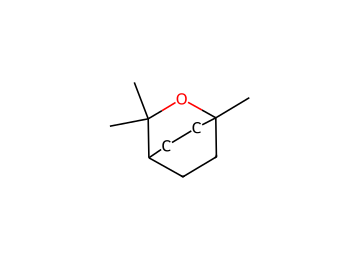
1,8-Cineole (eucalyptol)
Monoterpene (C10) bicyclic ether
- Formula
- C10H18O
- Mol. weight
- 154.25 g/mol
- XLogP3
- 2.5
- TPSA
- 9.2 Ų
- H-bond donors / acceptors
- 0 / 1
- Rotatable bonds
- 0
Computed properties: PubChem CID 2758, retrieved 2026-10-29.
Sources, analysis, stability, absorption and safety
Found in
- Eucalyptus globulus Labill., E. polybractea R.T.Baker and E. smithii R.T.Baker — fresh leaves or terminal branchlets (steam-distilled, rectified oil) [2]
- Mentha x piperita L. (peppermint) — essential oil (cineole 3.5–8%) [3]
How it is identified and measured
- Stable isotope dilution assays: 1,8-cineole quantified by solid-phase microextraction GC-MS and its hydroxylated metabolites by LC-MS/MS after deconjugation, using synthesized deuterated and ¹³C-labeled internal standards. [4]
Standardization
- European Pharmacopoeia eucalyptus oil, as cited by EMA: 1,8-cineole minimum 70.0%, α-pinene 0.05–10.0%, β-pinene 0.05–1.5%, sabinene maximum 0.3%, α-phellandrene 0.05–1.5%, limonene 0.05–15.0%, camphor maximum 0.1%. [2]
Absorption in people
- EMA summary of human data on the single substance: well absorbed by inhalation with peak plasma at about 18 min and biphasic elimination (distribution half-life 2–13 min, elimination half-life 31–281 min); after oral tablets, peak serum levels at 2.3–2.6 h (unchewed) or 0.7–1.1 h (chewed), with absorption almost 100%. [2]
- One volunteer drinking sage tea (1.02 mg 1,8-cineole): parent compound peaked at 19 nmol/L in plasma, while 2-hydroxy-1,8-cineole (86 nmol/L) was the main metabolite; 2-, 9-, 3- and 7-hydroxycineole in 10 h urine accounted for 20.9, 17.2, 10.6 and 3.8% of the dose. [4]
Safety
- EU monograph contraindications (traditional use) include hypersensitivity to eucalyptus oil or 1,8-cineole, children with a history of seizures, and children under 24 months because 1,8-cineole-containing preparations, like other essential oils, can induce laryngospasm. [1]
In the Supplements A–Z guide: Lavender · Peppermint oil
- EMA HMPC. European Union herbal monograph on Eucalyptus globulus Labill., E. polybractea R.T. Baker, E. smithii R.T. Baker, aetheroleum, Revision 1 (EMA/HMPC/320292/2023, 20 November 2024), 2024-11-20. ema.europa.eu
- EMA HMPC. Assessment report on Eucalyptus globulus Labill., E. polybractea R.T. Baker, E. smithii R.T. Baker, aetheroleum, Revision 1 (EMA/HMPC/320282/2023, 20 November 2024), 2024-11-20. ema.europa.eu
- EMA HMPC. Assessment report on Mentha x piperita L., folium and aetheroleum, Revision 1 (EMA/HMPC/522409/2013, 15 January 2020), 2020-01-15. ema.europa.eu
- Horst K, Rychlik M. Quantification of 1,8-cineole and of its metabolites in humans using stable isotope dilution assays. Mol Nutr Food Res 2010;54(10):1515-29 (PMID 20425757), 2010-10. pubmed.ncbi.nlm.nih.gov
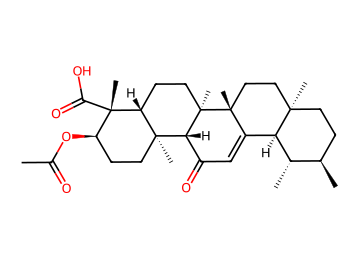
3-O-Acetyl-11-keto-β-boswellic acid (AKBA)
Pentacyclic triterpenoid acid (boswellic acid), 3-O-acetylated, 11-keto
- Formula
- C32H48O5
- Mol. weight
- 512.7 g/mol
- XLogP3
- 7.2
- TPSA
- 80.7 Ų
- H-bond donors / acceptors
- 1 / 5
- Rotatable bonds
- 3
Computed properties: PubChem CID 11168203, retrieved 2026-10-29.
Sources, analysis, stability, absorption and safety
Found in
- Boswellia serrata (Indian frankincense) — gum resin (oleoresin from beneath the bark) [1]
- Boswellia carteri, B. frereana, B. sacra and B. serrata — gum resin (3-O-acylated boswellic acids identified by LC-MS fingerprints) [2]
What research reports
- Review: AKBA and KBA were long credited with 5-lipoxygenase inhibition, but boswellic acids failed to inhibit leukotriene formation in human whole blood and plasma AKBA and KBA are far below in vitro active concentrations, so that mechanism is questionable; β-boswellic acid reaches about 100-fold higher plasma levels. [3]
- NCCIH (April 2025), about boswellia rather than isolated AKBA: most studies are small and of low quality, and there is not enough high-quality evidence to determine whether boswellia is useful for any health condition; several studies suggest oral boswellia may help reduce inflammation and pain associated with osteoarthritis, but larger, higher-quality studies are needed. [4]
How it is identified and measured
- Validated HPLC-MS method for six major boswellic acids in plasma, covering KBA and AKBA from 5.0 to 3000 ng/mL; in patients taking 4200 mg extract daily, steady-state AKBA was 0–15.5 ng/mL versus 87.0–11948.5 ng/mL for β-boswellic acid. [5]
- LC/LC/ESI-MS fingerprinting of boswellic acids after automated on-line extraction was used to authenticate frankincense from four Boswellia species. [2]
Standardization
- KBA and AKBA were chosen as quality markers in the European Pharmacopoeia 6.0 monograph on Indian frankincense (air-dried gum resin of B. serrata). [3]
Absorption in people
- Laboratory and rat study: in rat and human liver microsomes KBA, but not AKBA, underwent extensive phase I oxidation; no AKBA metabolites were found in rats in vivo, and AKBA was not deacetylated to KBA. [6]
- Ten healthy volunteers, single 333 mg dose of a solid-lipid particle extract: AKBA peaked at 8.04 ± 1.67 ng/mL at 1.5 h, AUC 136.7 ± 56.77 ng·h/mL, half-life 6.8 ± 3.0 h (validated LC-MS/MS). [7]
- Review: permeability studies suggest poor absorption of AKBA after oral administration. [3]
Safety
- NIH LiverTox: Boswellia serrata extracts have not been linked to serum aminotransferase elevations or to clinically apparent acute liver injury. [1]
- NCCIH: B. serrata extract up to 1,000 mg daily has been used safely in trials lasting up to 6 months, and 2,400 mg for up to 1 month. [4]
In the Supplements A–Z guide: Boswellia
- NIH LiverTox (NIDDK). Boswellia Serrata (last update November 4, 2020); chapter summary as indexed in PubMed (PMID 33151656), 2020-11-04. pubmed.ncbi.nlm.nih.gov
- Frank A, Unger M. Analysis of frankincense from various Boswellia species with inhibitory activity on human drug metabolising cytochrome P450 enzymes using liquid chromatography mass spectrometry after automated on-line extraction. J Chromatogr A 2006;1112(1-2):255-62 (PMID 16364338), 2006-04-21. pubmed.ncbi.nlm.nih.gov
- Abdel-Tawab M, et al. Boswellia serrata: an overall assessment of in vitro, preclinical, pharmacokinetic and clinical data. Clin Pharmacokinet 2011;50(6):349-69 (PMID 21553931), 2011-06. pubmed.ncbi.nlm.nih.gov
- NCCIH. Boswellia: Usefulness and Safety (last updated April 2025), 2025-04. nccih.nih.gov
- Gerbeth K, et al. Determination of major boswellic acids in plasma by high-pressure liquid chromatography/mass spectrometry. J Pharm Biomed Anal 2011;56(5):998-1005 (PMID 21855244), 2011-12-15. pubmed.ncbi.nlm.nih.gov
- Krüger P, et al. Metabolism of boswellic acids in vitro and in vivo. Drug Metab Dispos 2008;36(6):1135-42 (PMID 18356270), 2008-06. pubmed.ncbi.nlm.nih.gov
- Kulkarni PD, et al. Pharmacokinetics of solid lipid Boswellia serrata particles in healthy subjects. Drug Metab Pers Ther 2021;36(3):215-221 (PMID 34412175), 2021-04-05. pubmed.ncbi.nlm.nih.gov
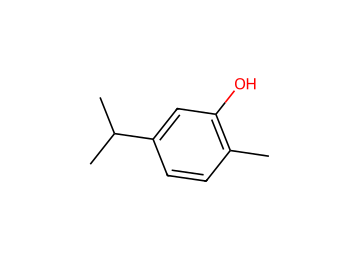
Carvacrol
Monoterpene (C10) phenol, p-cymene type (positional isomer of thymol)
- Formula
- C10H14O
- Mol. weight
- 150.22 g/mol
- XLogP3
- 3.1
- TPSA
- 20.2 Ų
- H-bond donors / acceptors
- 1 / 1
- Rotatable bonds
- 1
Computed properties: PubChem CID 10364, retrieved 2026-10-29.
Sources, analysis, stability, absorption and safety
Found in
- Thymus vulgaris L. and Thymus zygis L. (thyme) — leaves and flowers (essential oil) [1]
- Origanum vulgare L. (oregano) — essential oil compounds (GC of plant extracts) [2]
What research reports
- Non-clinical: EMA's assessment report cites studies in which thymol and carvacrol were potent insect repellents at about 0.05% in topical application. [1]
How it is identified and measured
- GC analysis of extracts from 502 European O. vulgare plants (17 countries, 51 populations) found essential-oil compound content of 0.03–4.6%, with carvacrol, thymol and carvacrol methyl ether among the monoterpenes; three monoterpene chemotypes were defined by the proportions of cymyl compounds, sabinyl compounds and linalool/linalyl acetate. [2]
Standardization
- European Pharmacopoeia definition of Thymi herba, as cited by EMA: essential oil at least 1.2%, containing at least 40% thymol + carvacrol. [1]
Absorption in people
- Laboratory (human liver microsomes and recombinant CYPs): two carvacrol metabolites were formed, and CYP2A6 was the predominant enzyme in the phase I metabolism of carvacrol and thymol. [3]
In the Supplements A–Z guide: Thyme
- EMA HMPC. Assessment report on Thymus vulgaris L., vulgaris zygis L., herba (EMA/HMPC/342334/2013, 12 November 2013), 2013-11-12. ema.europa.eu
- Lukas B, et al. Essential oil diversity of European Origanum vulgare L. (Lamiaceae). Phytochemistry 2015;119:32-40 (PMID 26454793), 2015-11. pubmed.ncbi.nlm.nih.gov
- Dong RH, et al. Identification of CYP isoforms involved in the metabolism of thymol and carvacrol in human liver microsomes (HLMs). Pharmazie 2012;67(12):1002-6 (PMID 23346763), 2012-12. pubmed.ncbi.nlm.nih.gov
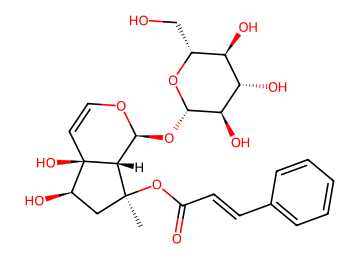
Harpagoside
Iridoid (cyclopentanopyran monoterpenoid) glucoside, cinnamoyl ester
- Formula
- C24H30O11
- Mol. weight
- 494.5 g/mol
- XLogP3
- -0.6
- TPSA
- 175 Ų
- H-bond donors / acceptors
- 6 / 11
- Rotatable bonds
- 7
Computed properties: PubChem CID 5281542, retrieved 2026-10-29.
Sources, analysis, stability, absorption and safety
Found in
- Harpagophytum procumbens DC. and Harpagophytum zeyheri Decne. (devil's claw) — tuberous secondary root (about twice the harpagoside of primary tubers) [2]
What research reports
- The EU herbal monograph (2016) accepts devil's claw root only as a traditional herbal medicinal product, for relief of minor articular pain and of mild digestive disorders such as bloating (statements about the root, not isolated harpagoside). [1]
- Laboratory and ex vivo: in human whole blood, the extract WS1531 inhibited stimulated cysteinyl-leukotriene formation more strongly than pure harpagoside, and fractions without harpagoside had no pronounced effect. [3]
How it is identified and measured
- Validated HPTLC method for harpagoside in Harpagophyti radix, validated in two laboratories, analyzing up to 16 samples in parallel. [4]
Standardization
- European Pharmacopoeia, as cited by EMA: Harpagophyti radix contains not less than 1.2% harpagoside (dried drug); the dry extract (monograph 1871) at least 1.5% m/m harpagoside. [2]
- Iridoid glucosides make up 0.5–3% of the root; harpagoside is 0.8–3.0% in H. procumbens and 0.7–1.7% in H. zeyheri. [2]
Stability
- Harpagoside content fell about 10% in artificial gastric fluid over 3 h and was stable in artificial intestinal fluid for 6 h; its octanol–water distribution coefficient (about 4) did not depend on temperature or pH (Chrubasik et al. 2000, as summarized by EMA). [2]
- In vitro, human fecal bacteria converted 12.5% of harpagoside to the monoterpene alkaloid aucubinine B within 24 h (Baghdikian et al. 1999, as summarized by EMA). [2]
Absorption in people
- In male volunteers given the extract WS1531 orally, maximum plasma harpagoside was reached after 1.3–2.5 h, with a linear relation between dose and Cmax or AUC. [3]
In the Supplements A–Z guide: Devils claw
- EMA HMPC. European Union herbal monograph on Harpagophytum procumbens DC. and/or Harpagophytum zeyheri Decne., radix (EMA/HMPC/627057/2015, 12 July 2016), 2016-07-12. ema.europa.eu
- EMA HMPC. Assessment report on Harpagophytum procumbens DC. and/or Harpagophytum zeyheri Decne., radix (EMA/HMPC/627058/2015, 12 July 2016), 2016-07-12. ema.europa.eu
- Loew D, et al. Investigations on the pharmacokinetic properties of Harpagophytum extracts and their effects on eicosanoid biosynthesis in vitro and ex vivo. Clin Pharmacol Ther 2001;69(5):356-64 (PMID 11372004), 2001-05. pubmed.ncbi.nlm.nih.gov
- Wagner S, Merfort I. Validated HPTLC methods for the determination of salicin in Salix sp. and of harpagoside in Harpagophytum procumbens. J Pharm Biomed Anal 2008;48(3):587-91 (PMID 18602786), 2008-11-04. pubmed.ncbi.nlm.nih.gov
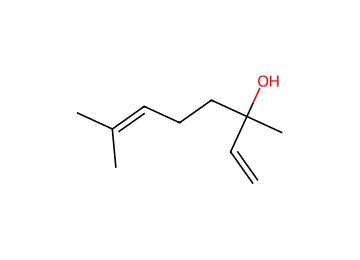
Linalool
Acyclic monoterpene (C10) tertiary alcohol
- Formula
- C10H18O
- Mol. weight
- 154.25 g/mol
- XLogP3
- 2.7
- TPSA
- 20.2 Ų
- H-bond donors / acceptors
- 1 / 1
- Rotatable bonds
- 4
Computed properties: PubChem CID 6549, retrieved 2026-10-29.
Sources, analysis, stability, absorption and safety
Found in
- Lavandula angustifolia Mill. (lavender) — essential oil; monoterpene alcohols make up 60–65%, of which linalool is 20–50% [1]
- Thymus vulgaris L. (thyme) — essential oil (linalool listed among its main components) [2]
How it is identified and measured
- Two-dimensional heart-cut HPLC (reversed phase then normal phase) with electrospray tandem MS was developed to determine the skin-sensitizing hydroperoxides of linalool and limonene in essential oils and products. [3]
Stability
- Exposure of linalool to oxygen (air) forms oxidation products, of which the hydroperoxides are far stronger skin sensitizers than linalool itself. [4]
Absorption in people
- One male volunteer massaged for 10 min with oil containing 2% lavender oil (about 25% linalool): linalool was detectable in blood within 5 min, peaked at 121 ng/mL at 19 min, and mostly disappeared within 90 min, with a half-life of about 14 min (Jäger et al. 1992, as summarized by EMA). [1]
Safety
- Routine patch testing with linalool hydroperoxides in patients suspected of contact dermatitis found high frequencies of positive reactions, though some may be false-positive irritant responses. [4]
- In male volunteers no skin irritation was seen with 20% linalool, mild irritation with 32%, and no sensitization in human maximization tests at 8% or 20% (Bickers et al. 2003, as cited by EMA). [1]
In the Supplements A–Z guide: Lavender · Lemon balm
- EMA HMPC. Assessment report on Lavandula angustifolia Miller, aetheroleum and Lavandula angustifolia Miller, flos (EMA/HMPC/143183/2010, 27 March 2012), 2012-03-27. ema.europa.eu
- EMA HMPC. Assessment report on Thymus vulgaris L., vulgaris zygis L., herba (EMA/HMPC/342334/2013, 12 November 2013), 2013-11-12. ema.europa.eu
- Ramzi A, et al. A two-dimensional non-comprehensive reversed/normal phase HPLC/tandem mass spectrometry system for determination of limonene and linalool hydroperoxides. J Chromatogr A 2018;1566:102-110 (PMID 29958682), 2018-09-07. pubmed.ncbi.nlm.nih.gov
- de Groot A. Linalool hydroperoxides. Dermatitis 2019;30(4):243-246 (PMID 31313746), 2019-07. pubmed.ncbi.nlm.nih.gov
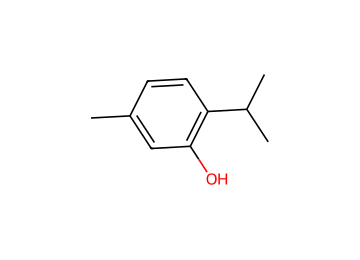
Thymol
Monoterpene (C10) phenol, p-cymene type
- Formula
- C10H14O
- Mol. weight
- 150.22 g/mol
- XLogP3
- 3.3
- TPSA
- 20.2 Ų
- H-bond donors / acceptors
- 1 / 1
- Rotatable bonds
- 1
Computed properties: PubChem CID 6989, retrieved 2026-10-29.
Sources, analysis, stability, absorption and safety
Found in
- Thymus vulgaris L. and Thymus zygis L. (thyme) — leaves and flowers (essential oil) [1]
What research reports
- Non-clinical: EMA's assessment report cites studies in which thymol and carvacrol were potent insect repellents at about 0.05% in topical application. [1]
How it is identified and measured
- In plasma and urine, thymol metabolites were measured by headspace solid-phase microextraction and GC with flame ionization after enzymatic hydrolysis; thymol sulfate and glucuronide were identified by LC-MS/MS. [2]
Standardization
- European Pharmacopoeia definition of Thymi herba, as cited by EMA: whole leaves and flowers of T. vulgaris, T. zygis or both, with at least 1.2% essential oil containing at least 40% thymol + carvacrol. Of at least 6 T. vulgaris chemotypes, only the thymol type complies. [1]
Absorption in people
- Twelve healthy volunteers, one thyme-containing tablet equivalent to 1.08 mg thymol: no free thymol was found in plasma or urine; thymol sulfate peaked at 93.1 ± 24.5 ng/mL after 2.0 ± 0.8 h, with a terminal half-life of 10.2 h and detection up to 41 h; sulfate plus glucuronide in 24 h urine was 16.2 ± 4.5% of the dose. [2]
- Laboratory (human liver microsomes and recombinant CYPs): CYP2A6 was the predominant enzyme in the phase I (hydroxylation) metabolism of thymol and carvacrol. [3]
In the Supplements A–Z guide: Thyme
- EMA HMPC. Assessment report on Thymus vulgaris L., vulgaris zygis L., herba (EMA/HMPC/342334/2013, 12 November 2013), 2013-11-12. ema.europa.eu
- Kohlert C, et al. Systemic availability and pharmacokinetics of thymol in humans. J Clin Pharmacol 2002;42(7):731-7 (PMID 12092740), 2002-07. pubmed.ncbi.nlm.nih.gov
- Dong RH, et al. Identification of CYP isoforms involved in the metabolism of thymol and carvacrol in human liver microsomes (HLMs). Pharmazie 2012;67(12):1002-6 (PMID 23346763), 2012-12. pubmed.ncbi.nlm.nih.gov
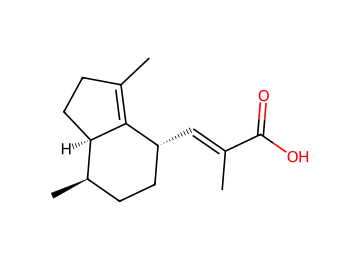
Valerenic acid
Sesquiterpene (C15) carboxylic acid
- Formula
- C15H22O2
- Mol. weight
- 234.33 g/mol
- XLogP3
- 3.2
- TPSA
- 37.3 Ų
- H-bond donors / acceptors
- 1 / 2
- Rotatable bonds
- 2
Computed properties: PubChem CID 6440940, retrieved 2026-10-29.
Sources, analysis, stability, absorption and safety
Found in
- Valeriana officinalis L. s.l. (valerian) — underground parts: rhizome, roots and stolons [1]
What research reports
- Laboratory (Xenopus oocytes expressing α1β2γ2S GABA-A receptors): apolar valerian extracts and fractions rich in valerenic acid enhanced GABA-induced chloride currents, and removing the sesquiterpenic acids abolished the effect (Trauner et al. 2008, as summarized by EMA). [1]
- NCCIH (May 2025), about valerian rather than the isolated acid: evidence on whether valerian helps sleep problems is inconsistent. [2]
How it is identified and measured
- HPLC method for routine quantification of valerenic acids and lignans, developed for stability control of valerian root powder and extracts. [3]
- LC-MS/MS assay for valerenic acid in human serum, applied to pharmacokinetics after oral valerian. [4]
Standardization
- European Pharmacopoeia limits, as cited by EMA, all as sesquiterpenic acids expressed as valerenic acid: valerian root at least 0.17% m/m; cut root for teas at least 0.10%; tincture at least 0.015%; dry aqueous extract at least 0.02%; dry hydroalcoholic extract at least 0.25%. [1]
Stability
- Under ICH storage conditions, valerenic acid and lignan composition changed with storage condition and packaging; hydroxyvalerenic acid, pinoresinol and hydroxypinoresinol formed as degradation products in root powder, especially under accelerated testing. Ethanolic extract was less sensitive to chemical degradation than the crude root. [3]
Absorption in people
- Six healthy adults, single 600 mg valerian dose: peak serum valerenic acid 0.9–2.3 ng/mL at 1–2 h in five subjects, elimination half-life 1.1 ± 0.6 h, and variable AUC. [4]
- Older women, single and 2-week nightly dosing: no significant difference in Cmax, Tmax, AUC or half-life between single and multiple doses, with considerable inter- and intra-subject variability; Cmax and AUC fell with higher body weight. [5]
Safety
- Twelve healthy volunteers taking valerian (1000 mg nightly, 5.51 mg valerenic acid per tablet) for 14 days: no effect on CYP2D6 (dextromethorphan) and a small rise in alprazolam Cmax (25 to 31 ng/mL) without other pharmacokinetic changes. [6]
- NIH LiverTox: valerian has been linked to rare instances of clinically apparent liver injury. [7]
In the Supplements A–Z guide: Valerian
- EMA HMPC. Assessment report on Valeriana officinalis L., radix and Valeriana officinalis L., aetheroleum (EMA/HMPC/150846/2015, 2 February 2016), 2016-02-02. ema.europa.eu
- NCCIH. Valerian: Usefulness and Safety (last updated May 2025), 2025-05. nccih.nih.gov
- Goppel M, Franz G. Stability control of valerian ground material and extracts: a new HPLC-method for the routine quantification of valerenic acids and lignans. Pharmazie 2004;59(6):446-52 (PMID 15248459), 2004-06. pubmed.ncbi.nlm.nih.gov
- Anderson GD, et al. Pharmacokinetics of valerenic acid after administration of valerian in healthy subjects. Phytother Res 2005;19(9):801-3 (PMID 16220575), 2005-09. pubmed.ncbi.nlm.nih.gov
- Anderson GD, et al. Pharmacokinetics of valerenic acid after single and multiple doses of valerian in older women. Phytother Res 2010;24(10):1442-6 (PMID 20878691), 2010-10. pubmed.ncbi.nlm.nih.gov
- Donovan JL, et al. Multiple night-time doses of valerian (Valeriana officinalis) had minimal effects on CYP3A4 activity and no effect on CYP2D6 activity in healthy volunteers. Drug Metab Dispos 2004;32(12):1333-6 (PMID 15328251), 2004-12. pubmed.ncbi.nlm.nih.gov
- NIH LiverTox (NIDDK). Valerian (last update April 5, 2020); chapter summary as indexed in PubMed (PMID 31643579), 2020-04-05. pubmed.ncbi.nlm.nih.gov
Sesquiterpene lactones and other lactones
What they are. Compounds whose defining feature is a cyclic ester (lactone). Sesquiterpene lactones (over 5000 known, mainly Asteraceae) usually carry an α-methylene-γ-lactone that alkylates protein thiol or amino groups by Michael addition. This page also groups other plant lactones: kavalactones (styryl-dihydropyrones), the ginkgo terpene trilactones, the diterpene lactone andrographolide and the steroidal lactone withaferin A.
Examples. Artemisinin, parthenolide, kavain, methysticin, bilobalide, ginkgolide B, andrographolide, withaferin A
How they are measured. Most sesquiterpene lactones are thermolabile, poorly volatile, lack specific chromophores and are sensitive to acidic and basic media, which makes identification and quantification difficult. Ginkgo terpene trilactones, for example, are assayed by RP-HPLC with evaporative light scattering detection.
Handling and absorption. Lactones are sensitive to acidic and basic media: in aqueous solution parthenolide was most stable at pH 5–7 and andrographolide at pH 2–4, and about 40% of parthenolide in powdered feverfew extract degraded over 6 months at 50 °C/31% RH. Oral exposure ranges widely, from no detectable plasma parthenolide after up to 4 mg daily to absolute bioavailability of 79–88% for bilobalide and ginkgolides A and B from a ginkgo extract solution.
Sources: Ivanescu B, et al. Sesquiterpene lactones from Artemisia genus: biological activities and methods of analysis. J Anal Methods Chem 2015;2015:247685 (PMID 26495156); Dubber MJ, Kanfer I. Determination of terpene trilactones in Ginkgo biloba solid oral dosage forms using HPLC with evaporative light scattering detection. J Pharm Biomed Anal 2006;41(1):135-40 (PMID 16406712); Jin P, et al. The solution and solid state stability and excipient compatibility of parthenolide in feverfew. AAPS PharmSciTech 2007;8(4):E105 (PMID 18181526); Jaidee W, et al. Degradation kinetics of andrographolide in aqueous solution, product identification and biological activity evaluation. Sci Rep 2025;15(1):28856 (PMID 40775430); Curry EA 3rd, et al. Phase I dose escalation trial of feverfew with standardized doses of parthenolide in patients with cancer. Invest New Drugs 2004;22(3):299-305 (PMID 15122077); EMA HMPC. European Union herbal monograph on Ginkgo biloba L., folium (EMA/HMPC/321097/2012, 28 January 2015)
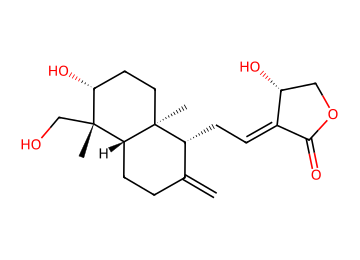
Andrographolide
Labdane-type diterpene (C20) lactone (α-alkylidene-γ-butyrolactone)
- Formula
- C20H30O5
- Mol. weight
- 350.4 g/mol
- XLogP3
- 2.2
- TPSA
- 87 Ų
- H-bond donors / acceptors
- 3 / 5
- Rotatable bonds
- 3
Computed properties: PubChem CID 5318517, retrieved 2026-10-29.
Sources, analysis, stability, absorption and safety
Found in
- Andrographis paniculata (Burm.f.) Nees (Acanthaceae) — aerial parts (powdered herb) [1]
- Andrographis paniculata — leaves (andrographolide 2.39%, the major metabolite) [2]
What research reports
- Systematic review of 33 RCTs (7175 patients) on A. paniculata products, not isolated andrographolide: improvement of cough and sore throat versus placebo in acute respiratory tract infections, but overall methodological quality of trials was poor and findings should be interpreted cautiously. [3]
- EMA's HMPC concluded (adopted 17 September 2013) that a Community herbal monograph on Andrographis paniculata leaf could not be established, because neither the well-established-use nor the traditional-use requirements were fulfilled. [4]
How it is identified and measured
- Validated RP-HPLC method (C18, acetonitrile/acidified water gradient with an isocratic step, 30 °C) for andrographolide and other diterpenes in A. paniculata herb and preparations; RSD below 1.13% and recovery 95.50–97.19%; proposed to the European Pharmacopoeia for quality control of Andrographidis herba. [5]
Standardization
- Clinical trial extracts summarized by EMA include extracts with 8–10% andrographolide content. [6]
Stability
- In aqueous solution (50–85 °C), degradation followed first-order kinetics with optimum stability at pH 2.0–4.0; at pH 2.0 isoandrographolide and 8,9-didehydroandrographolide formed, and at pH 6.0 15-seco-andrographolide, 14-deoxy-15-methoxyandrographolide and 11,14-dehydro-14-deoxyandrographolide; degradation products showed reduced anti-inflammatory and cytotoxic activity in laboratory tests. [2]
- In powdered herb, andrographolide declined by 69.26% over one year of storage; temperature and crystallinity affected the rate. [7]
- In heat-accelerated testing of powdered herb, degradation followed second-order kinetics, with a predicted rate constant at 25 °C of 6.58 × 10⁻⁶ per day. [1]
Absorption in people
- Human volunteers given four Kan Jang tablets (20 mg andrographolide): plasma peaked at about 393 ng/mL after 1.5–2 h, half-life 6.6 h, mean residence time 10.0 h. In rats, about 55% was bound to plasma proteins and bioavailability fell four-fold at a 10-times-higher dose. [8]
- Twenty healthy Thai volunteers, multiple doses of capsules containing 32.64 mg andrographolide per dose: 14-deoxy-11,12-didehydroandrographolide, given at a far smaller dose, reached the highest Cmax (44.89 ng/mL) and AUC; andrographolide was second. All four diterpenoids dissolved completely within 60 min at gastrointestinal pH. [9]
Safety
- Systematic review and meta-analysis (10 RCTs, 3 intensive-monitoring studies) of oral A. paniculata: serious adverse events were very rare (pooled 0.02 per 1000 patients in RCTs), while non-serious events, mainly gastrointestinal and skin, were very common (102.6 per 1000 in RCTs). [10]
In the Supplements A–Z guide: Andrographis
- Plubrukarn A, et al. Stability of andrographolide in powdered Andrographis herb under accelerated conditions. Planta Med 2006;72(10):954-6 (PMID 16902869), 2006-08. pubmed.ncbi.nlm.nih.gov
- Jaidee W, et al. Degradation kinetics of andrographolide in aqueous solution, product identification and biological activity evaluation. Sci Rep 2025;15(1):28856 (PMID 40775430), 2025-08-07. pubmed.ncbi.nlm.nih.gov
- Hu XY, et al. Andrographis paniculata (Chuān Xīn Lián) for symptomatic relief of acute respiratory tract infections in adults and children: a systematic review and meta-analysis. PLoS One 2017;12(8):e0181780 (PMID 28783743), 2017-08-04. pubmed.ncbi.nlm.nih.gov
- EMA HMPC. Public statement on Andrographis paniculata Nees, folium (EMA/HMPC/709282/2012, adopted 17 September 2013), 2013-09-17. ema.europa.eu
- Karioti A, et al. A validated method for the quality control of Andrographis paniculata preparations. Planta Med 2017;83(14-15):1207-1213 (PMID 28651289), 2017-10. pubmed.ncbi.nlm.nih.gov
- EMA HMPC. Assessment report on Andrographis paniculata Nees, folium (EMA/HMPC/320433/2012 Corr 1, 27 August 2014), 2014-08-27. ema.europa.eu
- Ahammed MT, et al. Degradation of andrographolide in Andrographis paniculata over 1 year storage. Phytochem Anal 2025;36(1):289-295 (PMID 39205402), 2025-01. pubmed.ncbi.nlm.nih.gov
- Panossian A, et al. Pharmacokinetic and oral bioavailability of andrographolide from Andrographis paniculata fixed combination Kan Jang in rats and human. Phytomedicine 2000;7(5):351-64 (PMID 11081986), 2000-10. pubmed.ncbi.nlm.nih.gov
- Pholphana N, et al. Andrographis paniculata: dissolution investigation and pharmacokinetic studies of four major active diterpenoids after multiple oral dose administration in healthy Thai volunteers. J Ethnopharmacol 2016;194:513-521 (PMID 27702690), 2016-12-24. pubmed.ncbi.nlm.nih.gov
- Worakunphanich W, et al. Safety of Andrographis paniculata: a systematic review and meta-analysis. Pharmacoepidemiol Drug Saf 2021;30(6):727-739 (PMID 33372366), 2021-06. pubmed.ncbi.nlm.nih.gov
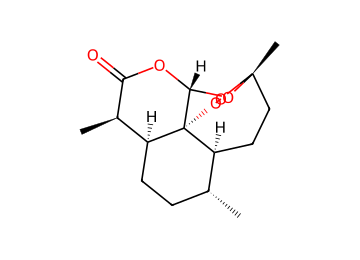
Artemisinin
Sesquiterpene lactone with an endoperoxide bridge
- Formula
- C15H22O5
- Mol. weight
- 282.33 g/mol
- XLogP3
- 2.8
- TPSA
- 54 Ų
- H-bond donors / acceptors
- 0 / 5
- Rotatable bonds
- 0
Computed properties: PubChem CID 68827, retrieved 2026-10-29.
Sources, analysis, stability, absorption and safety
Found in
- Artemisia annua L. — leaves; biosynthesis is glandular-trichome-specific in cultivated lines, though non-glandular leaf cells of inbred plants can also produce it [1]
What research reports
- NIH LiverTox: artemisinin, from an ancient Chinese herbal therapy for malarial fevers, has potent activity against many malarial organisms; several derivatives have been developed for clinical use against malaria. [2]
How it is identified and measured
- Validated HPLC-DAD method quantifying artemisinin with flavonoids, coumarins and other sesquiterpenes in A. annua, with LC-ESI-QTOF-MS/MS confirmation; samples south of the Yangtze River had the highest artemisinin (8.24 ± 2.92 mg/g). [3]
- Reversed-phase HPLC with UV detection after derivatization was used for artemisinin in human serum. [4]
Absorption in people
- Ten healthy volunteers (four-way crossover): oral artemisinin was rapidly but incompletely absorbed (mean absorption time 0.78 h), with bioavailability 32% relative to an intramuscular oil suspension; mean residence time 3.4 h orally versus 10.6 h intramuscularly. [4]
Safety
- NIH LiverTox: some artemisinin derivatives used clinically have been linked to rare instances of acute liver injury. [2]
In the Supplements A–Z guide: Artemisia annua
- Judd R, et al. Artemisinin biosynthesis in non-glandular trichome cells of Artemisia annua. Mol Plant 2019;12(5):704-714 (PMID 30851440), 2019-05-06. pubmed.ncbi.nlm.nih.gov
- NIH LiverTox (NIDDK). Artemisinin (last update February 8, 2017); chapter summary as indexed in PubMed (PMID 31643738), 2017-02-08. pubmed.ncbi.nlm.nih.gov
- Fu C, et al. Phytochemical analysis and geographic assessment of flavonoids, coumarins and sesquiterpenes in Artemisia annua L. based on HPLC-DAD quantification and LC-ESI-QTOF-MS/MS confirmation. Food Chem 2020;312:126070 (PMID 31911352), 2020-05-15. pubmed.ncbi.nlm.nih.gov
- Titulaer HA, et al. The pharmacokinetics of artemisinin after oral, intramuscular and rectal administration to volunteers. J Pharm Pharmacol 1990;42(11):810-3 (PMID 1982311), 1990-11. pubmed.ncbi.nlm.nih.gov
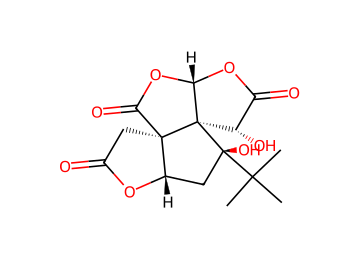
Bilobalide
Sesquiterpene trilactone (tert-butyl group; ginkgo terpene lactone)
- Formula
- C15H18O8
- Mol. weight
- 326.30 g/mol
- XLogP3
- -0.3
- TPSA
- 119 Ų
- H-bond donors / acceptors
- 2 / 8
- Rotatable bonds
- 1
Computed properties: PubChem CID 73581, retrieved 2026-10-29.
Sources, analysis, stability, absorption and safety
Found in
- Ginkgo biloba L. — leaf (refined, quantified dry extract) [2]
What research reports
- EU herbal monograph (2015), about the refined, quantified leaf extract rather than the isolated lactone: well-established use is accepted for the improvement of age-associated cognitive impairment. [1]
- NCCIH (February 2025): there is no conclusive evidence that ginkgo is helpful for any health condition; three large studies in older adults found that ginkgo extract did not reduce the risk of dementia. [6]
How it is identified and measured
- RP-HPLC with evaporative light scattering detection (C18, methanol–water gradient, 45 °C) separated ginkgolides A, B, C, J and bilobalide within 14 min in solid oral dosage forms; LOD 31.25 ng, LOQ 62.50 ng, intra- and inter-day RSD better than 6%. [4]
- LC-ESI-MS with solid-phase extraction (Zorbax SB-C18; SIM at m/z 325, 453 and 423 for bilobalide, ginkgolide A and ginkgolide B) for human plasma. [3]
Standardization
- Ginkgo dry extract, refined and quantified (Ph. Eur. monograph 1827), as described by EMA: flavone glycosides 22.0–27.0% and terpene lactones 5.0–7.0% in total, represented by ginkgolides A, B and C (2.8–3.4%) and bilobalide (2.6–3.2%); ginkgolic acids limited to 5 ppm. The release specification of EGb 761 listed by EMA sets terpene lactones at 5.4–6.6 g/100 g. [2]
Absorption in people
- EU monograph: after 120 mg Ginkgo extract as an oral solution, mean absolute bioavailability of bilobalide was 79%; peak plasma 27–54 ng/mL from tablets and 19–35 ng/mL from solution, half-life 2–3 h (tablets) or 3–4 h (solution). [1]
- Median bilobalide Cmax after the maximum daily dose was 3.53 ng/mL with a tincture, 11.68 ng/mL with fresh-plant extract tablets and 26.85 ng/mL with EGb 761 tablets. [3]
- Two 120 mg Ginkgo products differed in dissolution and were not bioequivalent for ginkgolide A, ginkgolide B and bilobalide; slow in vitro dissolution of the test product greatly reduced bioavailability. [5]
Safety
- NIH LiverTox: ginkgo has not been implicated in causing liver injury. [7]
- NCCIH: ginkgo leaf extract is generally well tolerated (most common: dizziness, gastrointestinal symptoms, headache); it may increase bleeding risk with anticoagulants such as warfarin and may be unsafe in pregnancy. Fresh ginkgo seeds are toxic when eaten. [6]
In the Supplements A–Z guide: Ginkgo
- EMA HMPC. European Union herbal monograph on Ginkgo biloba L., folium (EMA/HMPC/321097/2012, 28 January 2015), 2015-01-28. ema.europa.eu
- EMA HMPC. Assessment report on Ginkgo biloba L., folium (EMA/HMPC/321095/2012, 28 January 2014), 2014-01-28. ema.europa.eu
- Woelkart K, et al. Pharmacokinetics of bilobalide, ginkgolide A and B after administration of three different Ginkgo biloba L. preparations in humans. Phytother Res 2010;24(3):445-50 (PMID 20041430), 2010-03. pubmed.ncbi.nlm.nih.gov
- Dubber MJ, Kanfer I. Determination of terpene trilactones in Ginkgo biloba solid oral dosage forms using HPLC with evaporative light scattering detection. J Pharm Biomed Anal 2006;41(1):135-40 (PMID 16406712), 2006-04-11. pubmed.ncbi.nlm.nih.gov
- Kressmann S, et al. Influence of pharmaceutical quality on the bioavailability of active components from Ginkgo biloba preparations. J Pharm Pharmacol 2002;54(11):1507-14 (PMID 12495553), 2002-11. pubmed.ncbi.nlm.nih.gov
- NCCIH. Ginkgo: Usefulness and Safety (last updated February 2025), 2025-02. nccih.nih.gov
- NIH LiverTox (NIDDK). Ginkgo (last update March 14, 2018); chapter summary as indexed in PubMed (PMID 31644154), 2018-03-14. pubmed.ncbi.nlm.nih.gov
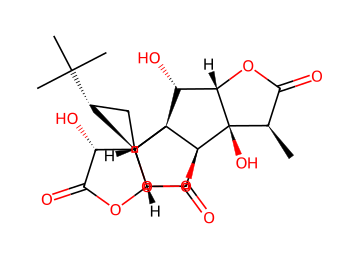
Ginkgolide B
Diterpene trilactone (C20, tert-butyl group; ginkgo terpene lactone)
- Formula
- C20H24O10
- Mol. weight
- 424.4 g/mol
- XLogP3
- -0.4
- TPSA
- 149 Ų
- H-bond donors / acceptors
- 3 / 10
- Rotatable bonds
- 1
Computed properties: PubChem CID 11973122, retrieved 2026-10-29.
Sources, analysis, stability, absorption and safety
Found in
- Ginkgo biloba L. — leaf (refined, quantified dry extract) [2]
What research reports
- EU herbal monograph (2015), about the refined, quantified leaf extract rather than the isolated lactone: well-established use is accepted for the improvement of age-associated cognitive impairment. [1]
- NCCIH (February 2025): there is no conclusive evidence that ginkgo is helpful for any health condition; three large studies in older adults found that ginkgo extract did not reduce the risk of dementia. [6]
How it is identified and measured
- RP-HPLC with evaporative light scattering detection (C18, methanol–water gradient, 45 °C) separated ginkgolides A, B, C, J and bilobalide within 14 min in solid oral dosage forms; LOD 31.25 ng, LOQ 62.50 ng, intra- and inter-day RSD better than 6%. [4]
- LC-ESI-MS with solid-phase extraction (Zorbax SB-C18; SIM at m/z 325, 453 and 423 for bilobalide, ginkgolide A and ginkgolide B) for human plasma. [3]
Standardization
- Ginkgo dry extract, refined and quantified (Ph. Eur. monograph 1827), as described by EMA: flavone glycosides 22.0–27.0% and terpene lactones 5.0–7.0% in total, represented by ginkgolides A, B and C (2.8–3.4%) and bilobalide (2.6–3.2%); ginkgolic acids limited to 5 ppm. The release specification of EGb 761 listed by EMA sets terpene lactones at 5.4–6.6 g/100 g. [2]
Absorption in people
- EU monograph: after 120 mg Ginkgo extract as an oral solution, mean absolute bioavailability of ginkgolide B was 88%; peak plasma 8–10 ng/mL from tablets and 9–17 ng/mL from solution, half-life 4–6 h (tablets) or 9–11 h (solution). [1]
- Median ginkgolide B Cmax after the maximum daily dose was 1.38 ng/mL with a tincture, 4.18 ng/mL with fresh-plant extract tablets and 9.99 ng/mL with EGb 761 tablets. [3]
- Two 120 mg Ginkgo products differed in dissolution and were not bioequivalent for ginkgolide A, ginkgolide B and bilobalide; slow in vitro dissolution of the test product greatly reduced bioavailability. [5]
Safety
- NIH LiverTox: ginkgo has not been implicated in causing liver injury. [7]
- NCCIH: ginkgo leaf extract is generally well tolerated (most common: dizziness, gastrointestinal symptoms, headache); it may increase bleeding risk with anticoagulants such as warfarin and may be unsafe in pregnancy. Fresh ginkgo seeds are toxic when eaten. [6]
In the Supplements A–Z guide: Ginkgo
- EMA HMPC. European Union herbal monograph on Ginkgo biloba L., folium (EMA/HMPC/321097/2012, 28 January 2015), 2015-01-28. ema.europa.eu
- EMA HMPC. Assessment report on Ginkgo biloba L., folium (EMA/HMPC/321095/2012, 28 January 2014), 2014-01-28. ema.europa.eu
- Woelkart K, et al. Pharmacokinetics of bilobalide, ginkgolide A and B after administration of three different Ginkgo biloba L. preparations in humans. Phytother Res 2010;24(3):445-50 (PMID 20041430), 2010-03. pubmed.ncbi.nlm.nih.gov
- Dubber MJ, Kanfer I. Determination of terpene trilactones in Ginkgo biloba solid oral dosage forms using HPLC with evaporative light scattering detection. J Pharm Biomed Anal 2006;41(1):135-40 (PMID 16406712), 2006-04-11. pubmed.ncbi.nlm.nih.gov
- Kressmann S, et al. Influence of pharmaceutical quality on the bioavailability of active components from Ginkgo biloba preparations. J Pharm Pharmacol 2002;54(11):1507-14 (PMID 12495553), 2002-11. pubmed.ncbi.nlm.nih.gov
- NCCIH. Ginkgo: Usefulness and Safety (last updated February 2025), 2025-02. nccih.nih.gov
- NIH LiverTox (NIDDK). Ginkgo (last update March 14, 2018); chapter summary as indexed in PubMed (PMID 31644154), 2018-03-14. pubmed.ncbi.nlm.nih.gov
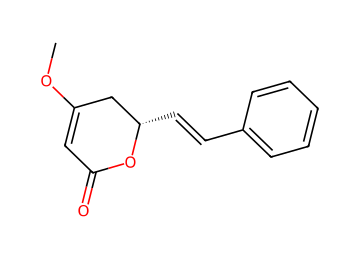
Kavain (kawain)
Kavalactone (4-methoxy-6-styryl-5,6-dihydro-2-pyrone lactone)
- Formula
- C14H14O3
- Mol. weight
- 230.26 g/mol
- XLogP3
- 2.5
- TPSA
- 35.5 Ų
- H-bond donors / acceptors
- 0 / 3
- Rotatable bonds
- 3
Computed properties: PubChem CID 5281565, retrieved 2026-10-29.
Sources, analysis, stability, absorption and safety
Found in
- Piper methysticum G.Forst. (kava; Piperaceae) — root [1]
What research reports
- NCCIH (April 2025), about kava products rather than isolated kavain: kava supplements may be helpful for anxiety, possibly needing several weeks, but kava does not appear helpful for symptoms of generalized anxiety disorder. [3]
- Laboratory: kavain was one of four kavalactones that did not significantly induce CYP1A1, unlike methysticin and 7,8-dihydromethysticin. [5]
How it is identified and measured
- HPLC-UV method validated according to AOAC single-laboratory validation guidelines (Poroshell C18, 240 and 355 nm) for six major kavalactones (methysticin, dihydromethysticin, kavain, dihydrokavain, yangonin, desmethoxyyangonin) and three flavokavains in kava raw materials, capsules, phytocaps and tinctures; LOQ under 1.2 µg/mL for kavalactones, recovery 92–105%, HorRat 0.3–1.82. [1]
- Validated UPLC-MS/MS method for the six major kavalactones and flavokavains A and B in human plasma. [2]
Absorption in people
- Ten healthy volunteers given a flavokavain-free standardized kava extract (75–225 mg kavalactones): five kavalactones were absorbed fast (Tmax 1–3 h) with dose-proportional exposure; systemic exposure ranked dihydrokavain > dihydromethysticin > kavain > methysticin > yangonin, and food significantly reduced absorption in the multiple-dose study. [2]
Safety
- NIH LiverTox: products labeled as kava have been linked to clinically apparent acute liver injury, which can be severe and even fatal. [4]
- NCCIH: kava should not be combined with sedatives such as benzodiazepines or alcohol; long-term high-dose use may cause kava dermopathy. [3]
In the Supplements A–Z guide: Kava
- Liu Y, et al. Single-lab validation for determination of kavalactones and flavokavains in Piper methysticum (kava). Planta Med 2018;84(16):1213-1218 (PMID 29940660), 2018-11. pubmed.ncbi.nlm.nih.gov
- Kanumuri SRR, et al. Clinical pharmacokinetics of kavalactones after oral dosing of standardized kava extract in healthy volunteers. J Ethnopharmacol 2022;297:115514 (PMID 35777607), 2022-10-28. pubmed.ncbi.nlm.nih.gov
- NCCIH. Kava (last updated April 2025), 2025-04. nccih.nih.gov
- NIH LiverTox (NIDDK). Kava Kava (last update April 10, 2018); chapter summary as indexed in PubMed (PMID 31643949), 2018-04-10. pubmed.ncbi.nlm.nih.gov
- Li Y, et al. Methysticin and 7,8-dihydromethysticin are two major kavalactones in kava extract to induce CYP1A1. Toxicol Sci 2011;124(2):388-99 (PMID 21908763), 2011-12. pubmed.ncbi.nlm.nih.gov
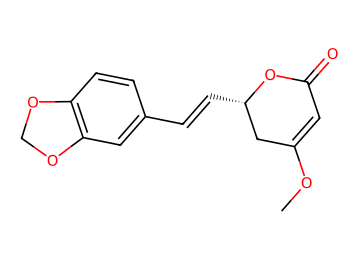
Methysticin
Kavalactone (methylenedioxyphenyl-substituted 5,6-dihydro-2-pyrone lactone)
- Formula
- C15H14O5
- Mol. weight
- 274.27 g/mol
- XLogP3
- 2.4
- TPSA
- 54 Ų
- H-bond donors / acceptors
- 0 / 5
- Rotatable bonds
- 3
Computed properties: PubChem CID 5281567, retrieved 2026-10-29.
Sources, analysis, stability, absorption and safety
Found in
- Piper methysticum G.Forst. (kava; Piperaceae) — root [1]
What research reports
- Laboratory: among six major kavalactones, methysticin produced the strongest induction of CYP1A1, followed by 7,8-dihydromethysticin, through an aryl hydrocarbon receptor (AhR)-dependent mechanism; induction was blocked by an AhR antagonist and absent in AhR-deficient cells. [5]
How it is identified and measured
- HPLC-UV method validated according to AOAC single-laboratory validation guidelines (Poroshell C18, 240 and 355 nm) for six major kavalactones (methysticin, dihydromethysticin, kavain, dihydrokavain, yangonin, desmethoxyyangonin) and three flavokavains in kava raw materials, capsules, phytocaps and tinctures; LOQ under 1.2 µg/mL for kavalactones, recovery 92–105%, HorRat 0.3–1.82. [1]
- Validated UPLC-MS/MS method for the six major kavalactones and flavokavains A and B in human plasma. [2]
Absorption in people
- Ten healthy volunteers given a standardized kava extract: methysticin was among five kavalactones absorbed fast (Tmax 1–3 h), with lower systemic exposure than dihydrokavain, dihydromethysticin and kavain. [2]
Safety
- NIH LiverTox: products labeled as kava have been linked to clinically apparent acute liver injury, which can be severe and even fatal. [4]
- NCCIH: kava may carry special risks in pregnancy or breastfeeding because of harmful pyrone constituents. [3]
In the Supplements A–Z guide: Kava
- Liu Y, et al. Single-lab validation for determination of kavalactones and flavokavains in Piper methysticum (kava). Planta Med 2018;84(16):1213-1218 (PMID 29940660), 2018-11. pubmed.ncbi.nlm.nih.gov
- Kanumuri SRR, et al. Clinical pharmacokinetics of kavalactones after oral dosing of standardized kava extract in healthy volunteers. J Ethnopharmacol 2022;297:115514 (PMID 35777607), 2022-10-28. pubmed.ncbi.nlm.nih.gov
- NCCIH. Kava (last updated April 2025), 2025-04. nccih.nih.gov
- NIH LiverTox (NIDDK). Kava Kava (last update April 10, 2018); chapter summary as indexed in PubMed (PMID 31643949), 2018-04-10. pubmed.ncbi.nlm.nih.gov
- Li Y, et al. Methysticin and 7,8-dihydromethysticin are two major kavalactones in kava extract to induce CYP1A1. Toxicol Sci 2011;124(2):388-99 (PMID 21908763), 2011-12. pubmed.ncbi.nlm.nih.gov
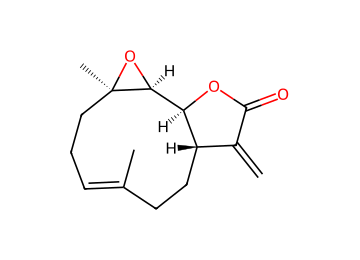
Parthenolide
Germacranolide sesquiterpene lactone (α-methylene-γ-lactone with an epoxide)
- Formula
- C15H20O3
- Mol. weight
- 248.32 g/mol
- XLogP3
- 2.3
- TPSA
- 38.8 Ų
- H-bond donors / acceptors
- 0 / 3
- Rotatable bonds
- 0
Computed properties: PubChem CID 6473881, retrieved 2026-10-29.
Sources, analysis, stability, absorption and safety
Found in
- Tanacetum parthenium (L.) Schultz Bip. (feverfew) — leaves and flower heads (glands on the leaf underside), not stems; up to about 1% of dried leaf [1]
What research reports
- Parthenolide makes up to 85% of feverfew's sesquiterpene content; its α-methylene-γ-lactone and epoxide react rapidly with nucleophilic sites of biomolecules, and laboratory studies report antimicrobial, anti-inflammatory and anticancer activities (EMA summary of non-clinical work). [1]
- NCCIH (February 2025), about feverfew rather than isolated parthenolide: a 2020 review of 7 small studies (634 participants) of feverfew for migraine headache found inconsistent results; there is little or no evidence for other health conditions. [2]
How it is identified and measured
- Plasma parthenolide was measured by solid-phase extraction and mass spectrometry with a limit of detection of 0.5 ng/mL. [3]
Standardization
- A minimum of 0.2% parthenolide in dried leaves was adopted by the European Pharmacopoeia and the French Ministry of Health; HPLC testing of commercial US extracts found none contained the labeled parthenolide content (as summarized by EMA). [1]
Stability
- In feverfew extract solution, parthenolide degradation followed first-order kinetics and was comparatively stable at pH 5–7 but unstable below pH 3 or above 7. In powdered extract, it was unchanged after 6 months at 5 °C/31% RH but about 40% degraded at 50 °C/31% RH; at 40 °C, degradation rose from 18% to 32% as humidity rose from 0% to 75% RH. [4]
Absorption in people
- Phase I trial (feverfew tablets providing up to 4 mg parthenolide daily): parthenolide was not detectable in plasma, so pharmacokinetics could not be determined. [3]
- Laboratory: parthenolide bound to human plasma proteins and albumin more extensively than three Arnica sesquiterpene lactones; under 6% of the lactones bound to the albumin cysteine-34 thiol within 60 min. [5]
Safety
- NCCIH: no serious side effects reported; nausea, digestive problems and bloating can occur, chewing fresh leaves may cause mouth sores, people sensitive to ragweed may react, and feverfew may slow blood clotting. It should not be taken during pregnancy. [2]
- Sesquiterpene lactones of feverfew cause allergic contact dermatitis (EMA). [1]
In the Supplements A–Z guide: Feverfew
- EMA HMPC. Assessment report on Tanacetum parthenium (L.) Schultz Bip., herba, Revision 1 (EMA/HMPC/48716/2017, 8 July 2020), 2020-07-08. ema.europa.eu
- NCCIH. Feverfew: Usefulness and Safety (last updated February 2025), 2025-02. nccih.nih.gov
- Curry EA 3rd, et al. Phase I dose escalation trial of feverfew with standardized doses of parthenolide in patients with cancer. Invest New Drugs 2004;22(3):299-305 (PMID 15122077), 2004-08. pubmed.ncbi.nlm.nih.gov
- Jin P, et al. The solution and solid state stability and excipient compatibility of parthenolide in feverfew. AAPS PharmSciTech 2007;8(4):E105 (PMID 18181526), 2007-12-14. pubmed.ncbi.nlm.nih.gov
- Wagner S, et al. In vitro behavior of sesquiterpene lactones and sesquiterpene lactone-containing plant preparations in human blood, plasma and human serum albumin solutions. Planta Med 2004;70(3):227-33 (PMID 15114499), 2004-03. pubmed.ncbi.nlm.nih.gov
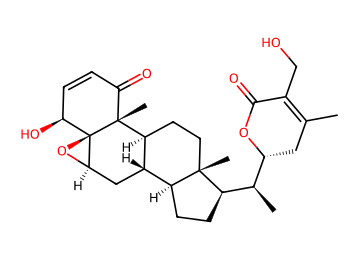
Withaferin A
Withanolide (C28 steroidal lactone); not a glycoside
- Formula
- C28H38O6
- Mol. weight
- 470.6 g/mol
- XLogP3
- 3.8
- TPSA
- 96.4 Ų
- H-bond donors / acceptors
- 2 / 6
- Rotatable bonds
- 3
Computed properties: PubChem CID 265237, retrieved 2026-10-29.
Sources, analysis, stability, absorption and safety
Found in
- Withania somnifera (L.) Dunal (ashwagandha; Solanaceae) — root and leaf (withanolide profiles of both analyzed) [1]
What research reports
- Laboratory (human endothelial cells): withaferin A induced heme oxygenase-1 (HO-1) expression in a time- and concentration-dependent way through upregulation and nuclear translocation of Nrf2. [2]
- NCCIH (March 2023), about ashwagandha preparations rather than withaferin A: some preparations may be effective for insomnia and stress; evidence on anxiety is unclear. [3]
How it is identified and measured
- Validated reversed-phase HPLC with photodiode-array and evaporative light scattering detection (methanol/water with 0.1% acetic acid gradient) for nine withanolides, including withaferin A, in root and leaf tissue. [1]
- Validated UHPLC-MS/MS for withanoside IV, withanoside V, withanolide A, withaferin A and 12-deoxywithastramonolide in human plasma. [4]
Standardization
- The root extract used in a human PK study was standardized to not less than 7.5 mg total withanolides per 500 mg capsule. [4]
Absorption in people
- Eighteen healthy men, single 500 mg dose of a standardized root extract: withaferin A Cmax 2.833 ± 0.981 ng/mL at Tmax 0.903 ± 0.273 h. [4]
- Review of 20 studies (16 animal, 4 human): withaferin A, withanolide A, 12-deoxywithastramonolide and withanoside IV PK parameters in humans fall in a Cmax range of 0.1–49.5 ng/mL, versus 5.6–8410 ng/mL for withanolides in rodents. [5]
Safety
- NIH LiverTox (December 2024): ashwagandha has not been implicated in serum enzyme elevations during therapy but has recently been implicated in cases of clinically apparent liver injury. [6]
- NCCIH: ashwagandha may be safe short term (up to 3 months); it should be avoided in pregnancy and breastfeeding, and may interact with medicines for diabetes, blood pressure, immunosuppression, sedation, seizures and thyroid hormone. [3]
In the Supplements A–Z guide: Ashwagandha
- Chaurasiya ND, et al. Analysis of withanolides in root and leaf of Withania somnifera by HPLC with photodiode array and evaporative light scattering detection. Phytochem Anal 2008;19(2):148-54 (PMID 17879227), 2008-03. pubmed.ncbi.nlm.nih.gov
- Heyninck K, et al. Withaferin A induces heme oxygenase (HO-1) expression in endothelial cells via activation of the Keap1/Nrf2 pathway. Biochem Pharmacol 2016;109:48-61 (PMID 27045103), 2016-06-01. pubmed.ncbi.nlm.nih.gov
- NCCIH. Ashwagandha: Usefulness and Safety (last updated March 2023), 2023-03. nccih.nih.gov
- Vaidya VG, et al. Clinical pharmacokinetic evaluation of Withania somnifera (L.) Dunal root extract in healthy human volunteers: a non-randomized, single dose study utilizing UHPLC-MS/MS analysis. J Ethnopharmacol 2024;322:117603 (PMID 38122911), 2024-03-25. pubmed.ncbi.nlm.nih.gov
- Speers AB, et al. Quantifying withanolides in plasma: pharmacokinetic studies and analytical methods. Nutrients 2024;16(22):3836 (PMID 39599622), 2024-11-08. pubmed.ncbi.nlm.nih.gov
- NIH LiverTox (NIDDK). Ashwagandha (last update December 3, 2024); chapter summary as indexed in PubMed (PMID 31643854), 2024-12-03. pubmed.ncbi.nlm.nih.gov
Saponins and steroidal glycosides
What they are. Glycosides in which a hydrophilic sugar moiety is linked to a lipophilic aglycone (triterpenoid in the examples here), giving an amphiphilic, surface-active molecule. Ginseng saponins are grouped as protopanaxadiol type (sugars at C3 and/or C20) or protopanaxatriol type (sugars at C6 and/or C20).
Examples. Ginsenoside Rb1, ginsenoside Rg1, glycyrrhizin
How they are measured. LC-MS/MS is used for plasma work (e.g. 13 ginsenosides at LLOQ 0.5 ng/mL); pharmacopoeial specifications fix marker sums, such as at least 0.40% ginsenosides Rg1 + Rb1 in ginseng root and at least 4.0% 18β-glycyrrhizic acid in licorice root.
Handling and absorption. The glycosides are deglycosylated by gut bacteria: glycyrrhizin to 18β-glycyrrhetinic acid, and ginsenosides Rb1, Rb2 and Rc, according to the authors of a human PK study, to Rd and then compound K. Steaming ginseng creates 20(R)-ginsenosides and removes malonyl groups.
Sources: Timilsena YP, et al. Perspectives on saponins: food functionality and applications. Int J Mol Sci 2023;24(17):13538 (PMID 37686341); EMA HMPC. Assessment report on Panax ginseng C.A.Mey., radix, Revision 1 (EMA/HMPC/27745/2023, 29 May 2024); Jin S, et al. Detection of 13 ginsenosides in human plasma and application of the analytical method to human pharmacokinetic studies following two week-repeated administration of red ginseng extract. Molecules 2019;24(14):2618 (PMID 31323835); EMA HMPC. Assessment report on Glycyrrhiza glabra L.; Glycyrrhiza inflata Bat.; Glycyrrhiza uralensis Fisch., radix, Revision 1 (EMA/HMPC/108395/2024, 4 March 2026); Choi MK, et al. Tolerability and pharmacokinetics of ginsenosides Rb1, Rb2, Rc, Rd, and compound K after single or multiple administration of red ginseng extract in human beings. J Ginseng Res 2020;44(2):229-237 (PMID 32148404)
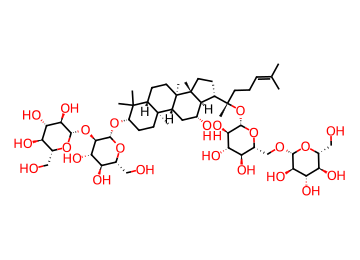
Ginsenoside Rb1
Dammarane-type triterpenoid saponin, protopanaxadiol (PPD) group, bisdesmosidic
- Formula
- C54H92O23
- Mol. weight
- 1109.3 g/mol
- XLogP3
- 0.3
- TPSA
- 377 Ų
- H-bond donors / acceptors
- 15 / 23
- Rotatable bonds
- 16
Computed properties: PubChem CID 9898279, retrieved 2026-10-29.
Sources, analysis, stability, absorption and safety
Found in
- Panax ginseng C.A.Mey. (Asian ginseng) — root (white ginseng, dried; red ginseng, steamed then dried) [2]
What research reports
- EU herbal monograph (2024), about the root, not isolated ginsenosides: traditional herbal medicinal product for symptoms of asthenia such as fatigue and weakness, based on long-standing use only. [1]
- NCCIH (February 2025): a 2023 review of 19 studies suggested Asian ginseng alone may have a small beneficial effect on general fatigue, but not all research agrees; the majority of research shows no improvement in athletic performance. [5]
How it is identified and measured
- Validated LC-MS/MS method for 13 ginsenosides (Rb1, Rb2, Rc, Rd, Re, Rf, Rg1, Rg3, Rh2, F1, compound K, 20(S)-protopanaxadiol, 20(S)-protopanaxatriol) in human plasma, range 0.5–200 ng/mL, LLOQ 0.5 ng/mL, accuracy and precision within 15%. [3]
Standardization
- European Pharmacopoeia, as cited by EMA: Ginseng radix contains not less than 0.40% of the sum of ginsenosides Rg1 and Rb1 (dried drug); Ginseng dry extract contains at least 4% of the sum of ginsenosides Rb1, Rb2, Rc, Rd, Re, Rf, Rg1 and Rg2, expressed as ginsenoside Rb1. [2]
Stability
- Steam processing changes the ginsenoside profile: 20(R)-derivatives characteristic of red ginseng arise as artifacts of steaming, and malonylginsenosides (e.g. malonyl-Rb1) occur only in white ginseng because the malonyl group is cleaved during steaming (EMA, citing Hänsel & Sticher 2010). [2]
Absorption in people
- Fifteen healthy Korean adults, red ginseng extract once and then daily for 15 days: plasma Rb1, Rb2 and Rc were stable, with AUC accumulating 4.5- to 6.7-fold after repeated dosing; Rd and compound K varied widely between people but their AUCs correlated, which the authors attribute to intestinal biotransformation of Rb1, Rb2 and Rc to Rd and then to compound K. [4]
- After two weeks of red ginseng extract, plasma Rb1, Rb2, Rc, Rd and Rg3 correlated with their content in the extract, while compound K, Rh2, protopanaxadiol and protopanaxatriol, absent from the extract, were detected as products of human metabolism. [3]
Safety
- NIH LiverTox: ginseng has not been implicated in causing liver injury, although it may cause herb–drug interactions that can lead to liver injury. [6]
- NCCIH: short-term oral use (up to 6 months) appears safe for most people; insomnia is the most common side effect, and ginseng may worsen autoimmune disorders and interfere with blood clotting. [5]
In the Supplements A–Z guide: Asian ginseng
- EMA HMPC. European Union herbal monograph on Panax ginseng C.A.Mey., radix, Revision 1 (EMA/HMPC/27744/2023, 29 May 2024), 2024-05-29. ema.europa.eu
- EMA HMPC. Assessment report on Panax ginseng C.A.Mey., radix, Revision 1 (EMA/HMPC/27745/2023, 29 May 2024), 2024-05-29. ema.europa.eu
- Jin S, et al. Detection of 13 ginsenosides in human plasma and application of the analytical method to human pharmacokinetic studies following two week-repeated administration of red ginseng extract. Molecules 2019;24(14):2618 (PMID 31323835), 2019-07-18. pubmed.ncbi.nlm.nih.gov
- Choi MK, et al. Tolerability and pharmacokinetics of ginsenosides Rb1, Rb2, Rc, Rd, and compound K after single or multiple administration of red ginseng extract in human beings. J Ginseng Res 2020;44(2):229-237 (PMID 32148404), 2020-03. pubmed.ncbi.nlm.nih.gov
- NCCIH. Asian Ginseng: Usefulness and Safety (last updated February 2025), 2025-02. nccih.nih.gov
- NIH LiverTox (NIDDK). Ginseng (last update March 14, 2018); chapter summary as indexed in PubMed (PMID 31643526), 2018-03-14. pubmed.ncbi.nlm.nih.gov
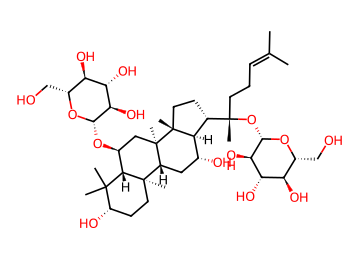
Ginsenoside Rg1
Dammarane-type triterpenoid saponin, protopanaxatriol (PPT) group, bisdesmosidic
- Formula
- C42H72O14
- Mol. weight
- 801.0 g/mol
- XLogP3
- 2.7
- TPSA
- 239 Ų
- H-bond donors / acceptors
- 10 / 14
- Rotatable bonds
- 10
Computed properties: PubChem CID 441923, retrieved 2026-10-29.
Sources, analysis, stability, absorption and safety
Found in
- Panax ginseng C.A.Mey. (Asian ginseng) — root (white ginseng, dried; red ginseng, steamed then dried) [2]
What research reports
- EU herbal monograph (2024), about the root, not isolated ginsenosides: traditional herbal medicinal product for symptoms of asthenia such as fatigue and weakness, based on long-standing use only. [1]
- NCCIH (February 2025): a 2023 review of 19 studies suggested Asian ginseng alone may have a small beneficial effect on general fatigue, but not all research agrees; the majority of research shows no improvement in athletic performance. [4]
How it is identified and measured
- Validated LC-MS/MS method for 13 ginsenosides (Rb1, Rb2, Rc, Rd, Re, Rf, Rg1, Rg3, Rh2, F1, compound K, 20(S)-protopanaxadiol, 20(S)-protopanaxatriol) in human plasma, range 0.5–200 ng/mL, LLOQ 0.5 ng/mL, accuracy and precision within 15%. [3]
Standardization
- European Pharmacopoeia, as cited by EMA: Ginseng radix contains not less than 0.40% of the sum of ginsenosides Rg1 and Rb1 (dried drug); Ginseng dry extract contains at least 4% of the sum of ginsenosides Rb1, Rb2, Rc, Rd, Re, Rf, Rg1 and Rg2, expressed as ginsenoside Rb1. [2]
Stability
- Steam processing changes the ginsenoside profile: 20(R)-derivatives characteristic of red ginseng arise as artifacts of steaming, and malonylginsenosides (e.g. malonyl-Rb1) occur only in white ginseng because the malonyl group is cleaved during steaming (EMA, citing Hänsel & Sticher 2010). [2]
Absorption in people
- With a validated 13-ginsenoside LC-MS/MS method (LLOQ 0.5 ng/mL), Rg1 was not among the nine ginsenosides detected in human plasma after two weeks of red ginseng extract; protopanaxatriol (the aglycone of the PPT group) was detected and attributed to human metabolism. [3]
Safety
- NIH LiverTox: ginseng has not been implicated in causing liver injury, although it may cause herb–drug interactions that can lead to liver injury. [5]
- NCCIH: short-term oral use (up to 6 months) appears safe for most people; insomnia is the most common side effect, and ginseng may worsen autoimmune disorders and interfere with blood clotting. [4]
In the Supplements A–Z guide: Asian ginseng
- EMA HMPC. European Union herbal monograph on Panax ginseng C.A.Mey., radix, Revision 1 (EMA/HMPC/27744/2023, 29 May 2024), 2024-05-29. ema.europa.eu
- EMA HMPC. Assessment report on Panax ginseng C.A.Mey., radix, Revision 1 (EMA/HMPC/27745/2023, 29 May 2024), 2024-05-29. ema.europa.eu
- Jin S, et al. Detection of 13 ginsenosides in human plasma and application of the analytical method to human pharmacokinetic studies following two week-repeated administration of red ginseng extract. Molecules 2019;24(14):2618 (PMID 31323835), 2019-07-18. pubmed.ncbi.nlm.nih.gov
- NCCIH. Asian Ginseng: Usefulness and Safety (last updated February 2025), 2025-02. nccih.nih.gov
- NIH LiverTox (NIDDK). Ginseng (last update March 14, 2018); chapter summary as indexed in PubMed (PMID 31643526), 2018-03-14. pubmed.ncbi.nlm.nih.gov
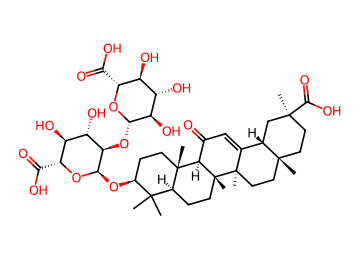
Glycyrrhizin (glycyrrhizic acid)
Pentacyclic triterpenoid saponin (18β-glycyrrhetinic acid aglycone with two glucuronic acid units)
- Formula
- C42H62O16
- Mol. weight
- 822.9 g/mol
- XLogP3
- 3.7
- TPSA
- 267 Ų
- H-bond donors / acceptors
- 8 / 16
- Rotatable bonds
- 7
Computed properties: PubChem CID 14982, retrieved 2026-10-29.
Sources, analysis, stability, absorption and safety
Found in
- Glycyrrhiza glabra L., Glycyrrhiza inflata Bat. and Glycyrrhiza uralensis Fisch. (licorice) — root and stolons, dried, peeled or unpeeled [2]
What research reports
- Mechanism described by EMA: glycyrrhetinic acid, the metabolite of glycyrrhizin, inhibits 11β-hydroxysteroid dehydrogenase type 2 (11β-HSD2) in renal tubular cells, so cortisol accumulates and activates mineralocorticoid receptors, causing sodium retention and potassium loss (pseudoaldosteronism). [2]
- NCCIH (April 2025), about licorice products: licorice mouth rinse or gargle might reduce ulcer size and pain in recurrent canker sores; it is unclear whether licorice alone affects digestive symptoms. [3]
How it is identified and measured
- Validated LC-MS/MS (SPE on Oasis MCX, CN column, positive ESI, MRM 823→453) for glycyrrhizin and glycyrrhetic acid in human plasma; range 10–10,000 ng/mL, LLOQ 10 ng/mL, accuracy 87.6–106.4% for glycyrrhizin. [4]
- Reversed-phase HPLC-UV at 251 nm for glycyrrhizin and glycyrrhetic acid in plasma, quantifying down to 200 ng/mL. [5]
Standardization
- European Pharmacopoeia, as cited by EMA: licorice root contains not less than 4.0% of 18β-glycyrrhizic acid (C42H62O16, Mr 823), dried drug. [2]
Absorption in people
- After oral intake, glycyrrhizin is hydrolyzed by β-D-glucuronidase-containing intestinal bacteria to 18β-glycyrrhetinic acid, which is absorbed; enterohepatic circulation of 18β-glycyrrhetinic acid is expected in humans (EMA). [2]
- In rats and humans, glycyrrhizin bioavailability was significantly lower when given as licorice extract than when given as pure glycyrrhizin. [5]
Safety
- JECFA (2005), as cited by EMA: an intake of 100 mg/day would be unlikely to cause adverse effects in most adults, though highly susceptible people may react somewhat below this. EMA also notes great individual variation: most individuals consuming 400 mg glycyrrhizic acid daily experience adverse effects (Størmer et al. 1993). [2]
- EU herbal monograph (Revision 1, 2026): overdose with prolonged (over 4 weeks) or high intake has caused water retention, hypokalemia, hypertension, cardiac rhythm disorders and hypertensive encephalopathy; not recommended in hypertension, kidney, liver or cardiovascular disease, hypokalemia, pregnancy or breastfeeding. Glycyrrhizin 300 mg/day for 14 days modestly decreased exposure to CYP3A4 substrates such as midazolam and omeprazole. [1]
- NIH LiverTox: licorice in high doses has many serious adverse events but has not been reported to cause serum aminotransferase elevations or clinically apparent liver injury. [6]
In the Supplements A–Z guide: Licorice root
- EMA HMPC. European Union herbal monograph on Glycyrrhiza glabra L.; Glycyrrhiza inflata Bat.; Glycyrrhiza uralensis Fisch., radix, Revision 1 (EMA/HMPC/108399/2024, 4 March 2026), 2026-03-04. ema.europa.eu
- EMA HMPC. Assessment report on Glycyrrhiza glabra L.; Glycyrrhiza inflata Bat.; Glycyrrhiza uralensis Fisch., radix, Revision 1 (EMA/HMPC/108395/2024, 4 March 2026), 2026-03-04. ema.europa.eu
- NCCIH. Licorice Root (last updated April 2025), 2025-04. nccih.nih.gov
- Lin ZJ, et al. Simultaneous determination of glycyrrhizin, a marker component in radix Glycyrrhizae, and its major metabolite glycyrrhetic acid in human plasma by LC-MS/MS. J Chromatogr B 2005;814(2):201-7 (PMID 15639440), 2005-01-25. pubmed.ncbi.nlm.nih.gov
- Raggi MA, et al. Bioavailability of glycyrrhizin and licorice extract in rat and human plasma as detected by a HPLC method. Pharmazie 1994;49(4):269-72 (PMID 8197226), 1994-04. pubmed.ncbi.nlm.nih.gov
- NIH LiverTox (NIDDK). Licorice (last update March 20, 2023); chapter summary as indexed in PubMed (PMID 37043593), 2023-03-20. pubmed.ncbi.nlm.nih.gov
Phenolic acids and simple phenols
What they are. Hydroxybenzoic acids and hydroxycinnamic acids are the major phenolic acids (aromatic secondary metabolites); many occur as esters, for example chlorogenic acid, an ester of caffeic acid and quinic acid. This atlas also places here the pungent phenolic ketone [6]-gingerol.
Examples. Gallic acid, ellagic acid, chlorogenic acid, rosmarinic acid, [6]-gingerol
How they are measured. Reversed-phase HPLC (UV/DAD); ICH-validated HPLC methods exist for gallic and ellagic acid in plant extracts.
Handling and absorption. Caffeic, chlorogenic and gallic acids were not stable at high pH (irreversible change), whereas ferulic acid resisted pH-induced degradation. Across 97 human studies, gallic acid was among the best-absorbed polyphenols; data were too limited to assess hydroxycinnamic acids. In ileostomy subjects about one third of chlorogenic acid but 95% of caffeic acid was absorbed in the small intestine.
Sources: Rashmi HB, Negi PS. Phenolic acids from vegetables: a review on processing stability and health benefits. Food Res Int 2020;136:109298; Olthof MR, Hollman PC, Katan MB. Chlorogenic acid and caffeic acid are absorbed in humans. J Nutr 2001;131(1):66-71; Saini AK, et al. Validation and standardization of gallic acid and ellagic acid in Quercus infectoria, Terminalia chebula, and Pistacia integerrima. J AOAC Int 2023;106(5):1305-1312; Friedman M, Jürgens HS. Effect of pH on the stability of plant phenolic compounds. J Agric Food Chem 2000;48(6):2101-10; Manach C, et al. Bioavailability and bioefficacy of polyphenols in humans. I. Review of 97 bioavailability studies. Am J Clin Nutr 2005;81(1 Suppl):230S-242S
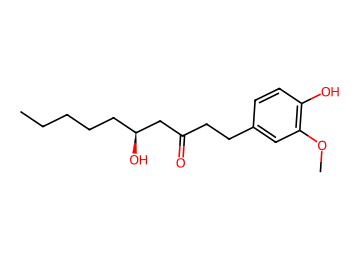
[6]-Gingerol
Pungent phenolic ketone (4-hydroxy-3-methoxyphenyl group with a β-hydroxy keto chain); dehydrates to [6]-shogaol
- Formula
- C17H26O4
- Mol. weight
- 294.4 g/mol
- XLogP3
- 2.5
- TPSA
- 66.8 Ų
- H-bond donors / acceptors
- 2 / 4
- Rotatable bonds
- 10
Computed properties: PubChem CID 442793, retrieved 2026-10-29.
Sources, analysis, stability, absorption and safety
Found in
- Zingiber officinale Roscoe (ginger) — rhizome; gingerols are its pungent principles [1]
What research reports
- Gingerols are described as biologically active components that may contribute to the medicinal applications of ginger (lab and review statement, not a human outcome). [1]
- Human trial: single oral ginger doses of 100 mg to 2.0 g (27 volunteers) were examined for pharmacokinetics and tolerability of 6-, 8- and 10-gingerol and 6-shogaol. [2]
How it is identified and measured
- Gingerols and shogaols in ginger extracts are separated by reversed-phase HPLC (C18, water-methanol gradient) and identified by their shared chromophore with a diode array detector; the authors report that this resolves separation and peak-identification problems of the INA quality-control method 114.000 (lab method paper). [3]
- [6]-Gingerol and its degradation product [6]-shogaol were quantified by HPLC in kinetic studies. [1]
Stability
- Gingerols are thermally labile because of their β-hydroxy keto group and dehydrate readily to the corresponding shogaols. In aqueous solution at 37 to 100 °C and pH 1, 4 and 7, [6]-gingerol showed reversible dehydration-hydration kinetics with [6]-shogaol; degradation was pH-dependent with greatest stability at pH 4, and at 100 °C and pH 1 it reached equilibrium within 2 h (lab study). [1]
Absorption in people
- No participant had detectable free 6-gingerol, 8-gingerol, 10-gingerol or 6-shogaol; their glucuronides were detected, and 6-gingerol sulfate appeared above the 1.0 g dose. At the 2.0 g dose, the estimated Cmax for 6-gingerol (measured as its conjugates) was 0.85 ± 0.43 µg/mL (mean ± SE; tmax 65.6 ± 44.4 min), and all analytes had elimination half-lives under 2 h. [2]
Safety
- For ginger root (not isolated gingerol), the EU herbal monograph (EMA/HMPC/885789/2022, 7 May 2025) lists common gastrointestinal effects (stomach upset, eructation, dyspepsia, heartburn, nausea); data on 300–1000 pregnancy outcomes indicate no malformative or feto/neonatal toxicity, but as a precaution use in pregnancy is preferably avoided. [4]
In the Supplements A–Z guide: Ginger
- Bhattarai S, Tran VH, Duke CC. The stability of gingerol and shogaol in aqueous solutions. J Pharm Sci 2001;90(10):1658-64, 2001-10. pubmed.ncbi.nlm.nih.gov
- Zick SM, et al. Pharmacokinetics of 6-gingerol, 8-gingerol, 10-gingerol, and 6-shogaol and conjugate metabolites in healthy human subjects. Cancer Epidemiol Biomarkers Prev 2008;17(8):1930-6, 2008-08. pubmed.ncbi.nlm.nih.gov
- Liu J, et al. HPLC analysis of gingerols and shogaols discriminated from ginger extracts with a diode array detector. J Chromatogr B 2025;1264:124743, 2025-10-01. pubmed.ncbi.nlm.nih.gov
- EMA HMPC. European Union herbal monograph on Zingiber officinale Roscoe, rhizoma (EMA/HMPC/885789/2022), 2025-05-07. ema.europa.eu
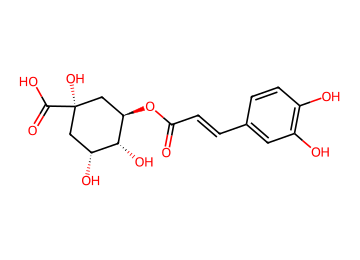
Chlorogenic acid
Hydroxycinnamic acid ester (caffeoylquinic acid: ester of caffeic acid and quinic acid)
- Formula
- C16H18O9
- Mol. weight
- 354.31 g/mol
- XLogP3
- -0.4
- TPSA
- 165 Ų
- H-bond donors / acceptors
- 6 / 9
- Rotatable bonds
- 5
Computed properties: PubChem CID 1794427, retrieved 2026-10-29.
Sources, analysis, stability, absorption and safety
Found in
- Coffee — seed (bean); a major phenolic compound in coffee, with daily intake of 0.5–1 g in coffee drinkers [1]
- Coffee — green (unroasted) bean extract had the highest content measured (543.23 mg/L in hot-water extract), falling with degree of roast [2]
- Artichoke — leaf; mono- and dicaffeoylquinic acids (e.g. chlorogenic acid, cynarin) are main phenolic constituents of the extract [3]
How it is identified and measured
- Chlorogenic acid and caffeine in hot-water coffee extracts were quantified by reversed-phase HPLC-DAD on a C18 (ODS) column (lab study). [2]
- Caffeoylquinic acids and their degradation products were studied by HPLC-PDA and HPLC-ESI-MS/MS, which characterized 30 degradation products. [4]
Stability
- Caffeoylquinic acids degrade or isomerize with temperature, pH and light; under ordinary storage conditions their stability was mainly affected by temperature and light, not solvent. Mono-acyl CQAs (such as chlorogenic acid) were much more stable than di-acyl CQAs; isomerization, methylation and hydrolysis were the main degradation pathways (lab study). [4]
- Chlorogenic acid content of coffee was negatively correlated with degree of roasting. [2]
- In a UV-spectroscopy model study over pH 3 to 11, chlorogenic acid was not stable at high pH (irreversible spectral change), but was stable to acid pH, to heat and to storage when added to apple juice (lab study). [6]
Absorption in people
- In seven healthy ileostomy subjects given 2.8 mmol each on separate days, absorption in the small intestine was 33 ± 17% for chlorogenic acid and 95 ± 4% for caffeic acid; only traces of ingested chlorogenic acid appeared in urine. The authors concluded that most dietary chlorogenic acid reaches the colon. [1]
- After 200 mL instant coffee (385 µmol chlorogenic acids), ileostomy volunteers recovered 71 ± 7% of intake in ileal effluent, and urinary metabolites were 8 ± 1% of intake versus 29 ± 4% in people with an intact colon, showing the importance of colonic metabolism. [5]
- In 14 healthy volunteers given artichoke leaf extracts, no intact caffeoylquinic acids were detected in plasma or urine; caffeic, ferulic, isoferulic, dihydrocaffeic and dihydroferulic acids appeared as metabolites, mostly as sulfates or glucuronides. [3]
In the Supplements A–Z guide: Guayusa
- Olthof MR, Hollman PC, Katan MB. Chlorogenic acid and caffeic acid are absorbed in humans. J Nutr 2001;131(1):66-71, 2001-01. pubmed.ncbi.nlm.nih.gov
- Awwad S, et al. Quantification of caffeine and chlorogenic acid in green and roasted coffee samples using HPLC-DAD and evaluation of the effect of degree of roasting on their levels. Molecules 2021;26(24):7502, 2021-12-11. pubmed.ncbi.nlm.nih.gov
- Wittemer SM, et al. Bioavailability and pharmacokinetics of caffeoylquinic acids and flavonoids after oral administration of artichoke leaf extracts in humans. Phytomedicine 2005;12(1-2):28-38, 2005-01. pubmed.ncbi.nlm.nih.gov
- Xue M, et al. Stability and degradation of caffeoylquinic acids under different storage conditions studied by HPLC-PDA and HPLC-ESI-CID-MS/MS. Molecules 2016;21(7):948, 2016-07-21. pubmed.ncbi.nlm.nih.gov
- Stalmach A, et al. Bioavailability of chlorogenic acids following acute ingestion of coffee by humans with an ileostomy. Arch Biochem Biophys 2010;501(1):98-105, 2010-09-01. pubmed.ncbi.nlm.nih.gov
- Friedman M, Jürgens HS. Effect of pH on the stability of plant phenolic compounds. J Agric Food Chem 2000;48(6):2101-10, 2000-06. pubmed.ncbi.nlm.nih.gov
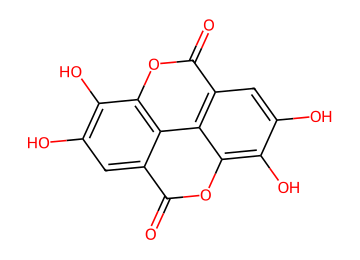
Ellagic acid
Hydroxybenzoic acid derivative (dilactone; can be released by hydrolysis of ellagitannins)
- Formula
- C14H6O8
- Mol. weight
- 302.19 g/mol
- XLogP3
- 1.1
- TPSA
- 134 Ų
- H-bond donors / acceptors
- 4 / 8
- Rotatable bonds
- 0
Computed properties: PubChem CID 5281855, retrieved 2026-10-29.
Sources, analysis, stability, absorption and safety
Found in
- Punica granatum L. (pomegranate) — fruit juice; 180 mL juice studied contained 25 mg ellagic acid and 318 mg ellagitannins as punicalagins, the major fruit ellagitannin [1]
- Quercus infectoria (oak galls), Terminalia chebula and Pistacia integerrima — ellagic acid 0.10 to 1.24% w/w in their extracts [2]
How it is identified and measured
- HPLC determines punicalagins, punicalin and ellagic acid in pomegranate extracts; total phenolics are often expressed as gallic acid or ellagic acid equivalents (lab study). [3]
- A validated HPLC method (ICH) quantified ellagic acid over 3.83–13.66 µg/mL (r = 0.996) alongside gallic acid in plant extracts (lab method paper). [2]
- In human plasma, ellagic acid was measured by HPLC-UV after acidic protein precipitation (calibration linear from 15.6 to 1000 ng/mL). [1]
Standardization
- Ellagic acid content has been used to standardize most marketed pomegranate extract supplements, but of 27 products tested only 5 had the typical pomegranate tannin profile, 17 had ellagic acid as the predominant chemical with minor or no pomegranate tannins, and 5 had neither; the authors concluded that ellagic acid standardization does not guarantee authenticity, since supplements can be adulterated with ellagic acid from cheaper plant sources. [3]
Absorption in people
- In 18 healthy volunteers given 180 mL pomegranate juice concentrate, plasma ellagic acid reached Cmax 0.06 ± 0.01 µmol/L at 0.98 ± 0.06 h with an elimination half-life of 0.71 ± 0.08 h. Metabolites included dimethylellagic acid glucuronide and urolithins formed by intestinal bacteria; urolithin A-glucuronide was found in the urine of 16 of 18 subjects the day after intake. [4]
- In a single subject drinking pomegranate juice, plasma ellagic acid peaked at 31.9 ng/mL at 1 h and was rapidly eliminated by 4 h. [1]
In the Supplements A–Z guide: Pomegranate
- Seeram NP, Lee R, Heber D. Bioavailability of ellagic acid in human plasma after consumption of ellagitannins from pomegranate (Punica granatum L.) juice. Clin Chim Acta 2004;348(1-2):63-8, 2004-10. pubmed.ncbi.nlm.nih.gov
- Saini AK, et al. Validation and standardization of gallic acid and ellagic acid in Quercus infectoria, Terminalia chebula, and Pistacia integerrima. J AOAC Int 2023;106(5):1305-1312, 2023-09-01. pubmed.ncbi.nlm.nih.gov
- Zhang Y, et al. Absence of pomegranate ellagitannins in the majority of commercial pomegranate extracts: implications for standardization and quality control. J Agric Food Chem 2009;57(16):7395-400, 2009-08-26. pubmed.ncbi.nlm.nih.gov
- Seeram NP, et al. Pomegranate juice ellagitannin metabolites are present in human plasma and some persist in urine for up to 48 hours. J Nutr 2006;136(10):2481-5, 2006-10. pubmed.ncbi.nlm.nih.gov
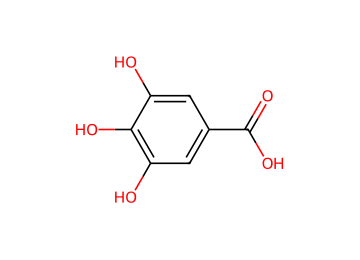
Gallic acid
Hydroxybenzoic acid (3,4,5-trihydroxybenzoic acid)
- Formula
- C7H6O5
- Mol. weight
- 170.12 g/mol
- XLogP3
- 0.7
- TPSA
- 98 Ų
- H-bond donors / acceptors
- 4 / 5
- Rotatable bonds
- 1
Computed properties: PubChem CID 370, retrieved 2026-10-29.
Sources, analysis, stability, absorption and safety
Found in
- Tea (black tea brew) — leaf infusion; 93% of the gallic acid in the brew studied was in free form [1]
- Quercus infectoria (oak galls), Terminalia chebula and Pistacia integerrima — plant material used in Ayurvedic formulations; gallic acid 3.74 to 10.16% w/w in their extracts [2]
How it is identified and measured
- An HPLC method for gallic acid and ellagic acid in hydroalcoholic and aqueous extracts was validated for precision, robustness, accuracy, LOD and LOQ per ICH guidelines; gallic acid was linear over 81.18–288.22 µg/mL (r = 0.997) (lab method paper). [2]
Stability
- In a UV-spectroscopy model study over pH 3 to 11, gallic acid (with caffeic and chlorogenic acids) was not stable at high pH, and the pH- and time-dependent spectral changes were not reversible (lab study). [3]
Absorption in people
- In 10 healthy volunteers, gallic acid (0.3 mmol) from tablets or black tea was rapidly absorbed and eliminated, with mean half-lives of 1.19 ± 0.07 and 1.06 ± 0.06 h and Cmax of 1.83 ± 0.16 and 2.09 ± 0.22 µmol/L; 36.4 ± 4.5% and 39.6 ± 5.1% of the dose appeared in urine as gallic acid and 4-O-methylgallic acid. Relative bioavailability from tea versus tablets was 1.06 ± 0.26. [1]
In the Supplements A–Z guide: Pelargonium sidoides
- Shahrzad S, et al. Pharmacokinetics of gallic acid and its relative bioavailability from tea in healthy humans. J Nutr 2001;131(4):1207-10, 2001-04. pubmed.ncbi.nlm.nih.gov
- Saini AK, et al. Validation and standardization of gallic acid and ellagic acid in Quercus infectoria, Terminalia chebula, and Pistacia integerrima. J AOAC Int 2023;106(5):1305-1312, 2023-09-01. pubmed.ncbi.nlm.nih.gov
- Friedman M, Jürgens HS. Effect of pH on the stability of plant phenolic compounds. J Agric Food Chem 2000;48(6):2101-10, 2000-06. pubmed.ncbi.nlm.nih.gov
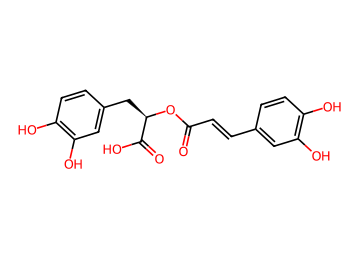
Rosmarinic acid
Hydroxycinnamic acid ester (caffeic acid ester of 3,4-dihydroxyphenyllactic acid)
- Formula
- C18H16O8
- Mol. weight
- 360.3 g/mol
- XLogP3
- 2.4
- TPSA
- 145 Ų
- H-bond donors / acceptors
- 5 / 8
- Rotatable bonds
- 7
Computed properties: PubChem CID 5281792, retrieved 2026-10-29.
Sources, analysis, stability, absorption and safety
Found in
- Melissa officinalis L. (lemon balm) — leaf; rosmarinic acid up to 6% (as cited in the EMA assessment report) [1]
- Perilla frutescens (perilla, shiso) — leaf; content higher in green than red perilla and in wild than cultivated plants [2]
- Thyme, sage and peppermint (Lamiaceae) — herb or leaf; rosmarinic acid is a predominant polyphenol in their liquid herbal preparations [3]
What research reports
- Human trial: a single dose of Melissa officinalis extract containing 500 mg rosmarinic acid was safe and tolerable in 11 healthy individuals (pharmacokinetic and safety study, not an efficacy trial). [4]
How it is identified and measured
- A simple, reproducible HPLC method quantified rosmarinic acid in perilla leaves and in a Kampo decoction; the Japanese Pharmacopoeia specifies essential-oil content of perilla leaf but not rosmarinic acid (lab method paper). [2]
- Rosmarinic acid in serum was measured by HPLC with coulometric (electrochemical) detection, and rosmarinic acid and its metabolites in plasma and urine by LC-MS. [4]
Standardization
- The European Pharmacopoeia requires a minimum content of 1% rosmarinic acid in dried Melissa leaf (as stated in the EMA assessment report EMA/HMPC/196746/2012, 14 May 2013). [1]
- The Ph. Eur. standardizes peppermint leaf, sage leaf and thyme herb for essential-oil content, not for polyphenols such as rosmarinic acid. [3]
Stability
- In commercial liquid herbal medicinal products (thyme, sage, peppermint) under long-term, intermediate and accelerated conditions, rosmarinic acid was more stable in hydroethanolic than in aqueous solution, and manufacturers' expiry dates did not guarantee stable polyphenol levels (validated HPLC-DAD; preliminary study). [3]
- In simulated digestion with human gastrointestinal enzymes, 37 °C and slightly alkaline pH 7.5 did not affect rosmarinic acid stability, while acid pH 2.5 decreased it significantly (by 50% or more); pure rosmarinic acid was more stable than rosmarinic acid in plant extracts. [5]
Absorption in people
- After Melissa extract containing 500 mg rosmarinic acid (fasted), total serum rosmarinic acid peaked at 1 h with Cmax 162.20 nmol/L; AUC of intact rosmarinic acid was 832.13 nmol·h/L. Food increased AUC and delayed Tmax. [4]
- In six healthy men given perilla extract with 200 mg rosmarinic acid, plasma rosmarinic acid and ferulic acid peaked at 0.5 h and methyl-rosmarinic acid at 2 h, mostly as glucuronide and/or sulfate conjugates; urinary excretion of rosmarinic acid and related metabolites was 6.3 ± 2.2% of the dose, about 75% within 6 h. [6]
Safety
- In the single-dose trial (500 mg rosmarinic acid as Melissa extract), liver, kidney and blood cell function parameters were not affected and no treatment-related adverse event was reported. [4]
In the Supplements A–Z guide: Lemon balm · Holy basil · Rosemary
- EMA HMPC. Assessment report on Melissa officinalis L., folium (EMA/HMPC/196746/2012), 2013-05-14. ema.europa.eu
- Deguchi Y, Ito M. Rosmarinic acid in Perilla frutescens and perilla herb analyzed by HPLC. J Nat Med 2020;74(2):341-352, 2020-03. pubmed.ncbi.nlm.nih.gov
- Bodalska A, Kowalczyk A, Fecka I. Stability of rosmarinic acid and flavonoid glycosides in liquid forms of herbal medicinal products: a preliminary study. Pharmaceuticals (Basel) 2021;14(11):1139, 2021-11-10. pubmed.ncbi.nlm.nih.gov
- Noguchi-Shinohara M, et al. Pharmacokinetics, safety and tolerability of Melissa officinalis extract which contained rosmarinic acid in healthy individuals: a randomized controlled trial. PLoS One 2015;10(5):e0126422, 2015-05-15. pubmed.ncbi.nlm.nih.gov
- Zorić Z, et al. Stability of rosmarinic acid in aqueous extracts from different Lamiaceae species after in vitro digestion with human gastrointestinal enzymes. Food Technol Biotechnol 2016;54(1):97-102, 2016-03. pubmed.ncbi.nlm.nih.gov
- Baba S, et al. Absorption, metabolism, degradation and urinary excretion of rosmarinic acid after intake of Perilla frutescens extract in humans. Eur J Nutr 2005;44(1):1-9, 2005-02. pubmed.ncbi.nlm.nih.gov
Flavonoids
What they are. Flavonoids share a C6–C3–C6 skeleton of two benzene rings joined through a heterocyclic pyran ring (2-phenylchromane); flavones and flavonols carry a 4-keto group (2-phenylchromen-4-one), while flavanols and anthocyanins do not; isoflavones are those in which the B ring is attached at position 3 of the C ring. Subgroups include flavones, flavonols, flavanones, flavanonols, flavanols (catechins), anthocyanins and chalcones. This atlas also places here silybin (a flavonolignan of silymarin) and procyanidins, oligomers built from the flavanols epicatechin and catechin.
Examples. Quercetin, rutin, apigenin, luteolin, hesperidin, genistein, daidzein, EGCG, procyanidin B2, cyanidin 3-O-glucoside, silybin
How they are measured. HPLC-UV/DAD and LC-MS (used to measure procyanidin B2 and silymarin flavonolignans in human plasma); collaborative methods include HPLC-UV for 12 soy isoflavones, the pH-differential method for total monomeric anthocyanins, DMAC for proanthocyanidins and HILIC-FLD (AOAC 2020.05) for cocoa flavanols and procyanidins by degree of polymerization.
Handling and absorption. Across 97 human studies, plasma total metabolites ranged from 0 to 4 µmol/L after 50 mg aglycone equivalents and urinary excretion from 0.3% to 43% of dose; isoflavones were among the best absorbed, followed by catechins, flavanones and quercetin glucosides, while proanthocyanidins, galloylated tea catechins and anthocyanins were least well absorbed. The attached sugar matters: quercetin glucosides from onion were absorbed at 52% versus 17% for the rutinoside in ileostomy volunteers.
Sources: National Toxicology Program. TR-409: Toxicology and Carcinogenesis Studies of Quercetin in F344 Rats (Feed Studies). 1992; Panche AN, Diwan AD, Chandra SR. Flavonoids: an overview. J Nutr Sci 2016;5:e47 (full text, PMC5465813); Collison MW. Determination of total soy isoflavones by HPLC with UV detection: collaborative study. J AOAC Int 2008;91(3):489-500; Lee J, Durst RW, Wrolstad RE. Total monomeric anthocyanin pigment content by the pH differential method: collaborative study. J AOAC Int 2005;88(5):1269-78; Bussy U, et al. Single-laboratory validation for the determination of cocoa flavanols and procyanidins (by degree of polymerization DP1-7) in cocoa-based products by HILIC with fluorescence detection: First Action 2020.05. J AOAC Int 2021;104(2):413-421; Manach C, et al. Bioavailability and bioefficacy of polyphenols in humans. I. Review of 97 bioavailability studies. Am J Clin Nutr 2005;81(1 Suppl):230S-242S; Hollman PC, et al. Absorption of dietary quercetin glycosides and quercetin in healthy ileostomy volunteers. Am J Clin Nutr 1995;62(6):1276-82; Prior RL, et al. Multi-laboratory validation of a standard method for quantifying proanthocyanidins in cranberry powders. J Sci Food Agric 2010;90(9):1473-8; Holt RR, et al. Procyanidin dimer B2 in human plasma after the consumption of a flavanol-rich cocoa. Am J Clin Nutr 2002;76(4):798-804; Wen Z, et al. Pharmacokinetics and metabolic profile of free, conjugated, and total silymarin flavonolignans in human plasma. Drug Metab Dispos 2008;36(1):65-72
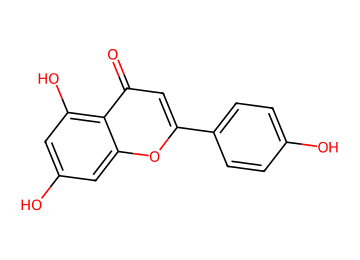
Apigenin
Flavone (aglycone); occurs mainly as glycosides such as apigenin 7-O-glucoside and apiin
- Formula
- C15H10O5
- Mol. weight
- 270.24 g/mol
- XLogP3
- 1.7
- TPSA
- 87 Ų
- H-bond donors / acceptors
- 3 / 5
- Rotatable bonds
- 1
Computed properties: PubChem CID 5280443, retrieved 2026-10-29.
Sources, analysis, stability, absorption and safety
Found in
- Matricaria recutita (chamomile) — dried flower heads; apigenin 7-O-glucoside is the quantified marker [1]
- Parsley — leaf; rich in apiin (apigenin 7-O-(2''-O-apiosyl)glucoside) [2]
- Celery — leaf; apigenin 7-O-apiosylglucoside [3]
How it is identified and measured
- Chamomile quality control quantifies apigenin 7-O-glucoside as the active marker. A validated HPTLC method (silica gel 60 NH2 F254s) with chemical fingerprinting was compared with the HPLC method of the European Pharmacopoeia and found better for confirming adulteration; crude market flowers, not tea bags, were found adulterated (lab study). [1]
- In human studies, apigenin in plasma, urine and red blood cells was measured by HPLC with electrochemical detection. [4]
Standardization
- Apigenin 7-O-glucoside is used as the quantitative marker for chamomile flower raw material. [1]
Stability
- Apigenin and luteolin aglycones were most stable at pH 3 and progressively degraded at pH 5 or 7 when heated at 100 °C; apigenin 7-O-glucoside showed little conversion or degradation at any pH after 5 h at 100 °C, while apigenin 7-O-apiosylglucoside was converted to the 7-O-glucoside at pH 3 and 100 °C (lab study). [3]
- Apigenin 7-O-glucoside in chamomile extract was readily converted to the aglycone when combined with glycosidase-rich almond, flax seed or chickpea flour. [3]
Absorption in people
- In 11 healthy adults given blanched parsley (2 g/kg body weight, about 65.8 µmol apigenin), maximum plasma apigenin was 127 ± 81 nmol/L at 7.2 ± 1.3 h, with high between-subject variation; 24-hour urinary apigenin was 0.22 ± 0.16% of the dose. [4]
- In healthy men, apigenin aglycone was poorly absorbed (urinary metabolites 0.5% of intake over 0-24 h). A parsley drink containing apiin gave peak plasma apigenin-4'-glucuronide at 4 h and 11.2% urinary excretion; chamomile tea containing apigenin 7-O-glucoside gave a 2 h peak and 34% urinary excretion, consistent with absorption in the upper gut. [2]
In the Supplements A–Z guide: Vitex chasteberry · Holy basil
- Guzelmeric E, et al. Quality assessment of marketed chamomile tea products by a validated HPTLC method combined with multivariate analysis. J Pharm Biomed Anal 2017;132:35-45, 2017-01-05. pubmed.ncbi.nlm.nih.gov
- Borges G, et al. Absorption, distribution, metabolism and excretion of apigenin and its glycosides in healthy male adults. Free Radic Biol Med 2022;185:90-96, 2022-05-20. pubmed.ncbi.nlm.nih.gov
- Hostetler GL, Riedl KM, Schwartz SJ. Effects of food formulation and thermal processing on flavones in celery and chamomile. Food Chem 2013;141(2):1406-11, 2013-11-15. pubmed.ncbi.nlm.nih.gov
- Meyer H, et al. Bioavailability of apigenin from apiin-rich parsley in humans. Ann Nutr Metab 2006;50(3):167-72, 2006. pubmed.ncbi.nlm.nih.gov
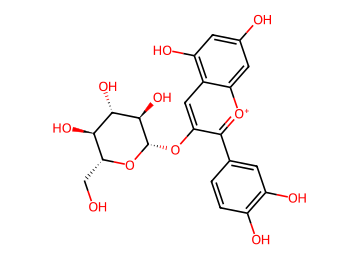
Cyanidin 3-O-glucoside
Anthocyanin (cyanidin glycoside; flavylium cation, PubChem title Kuromanin)
- Formula
- C21H21O11+
- Mol. weight
- 449.4 g/mol
- XLogP3
- —
- TPSA
- 181 Ų
- H-bond donors / acceptors
- 8 / 10
- Rotatable bonds
- 4
Computed properties: PubChem CID 441667, retrieved 2026-10-29.
Sources, analysis, stability, absorption and safety
Found in
- Black rice — grain; one of two cyanidin-based anthocyanins studied (with cyanidin-3-rutinoside) [1]
How it is identified and measured
- AOAC pH differential method: total monomeric anthocyanins are measured spectrophotometrically from the structural change between pH 1.0 (colored) and pH 4.5 (colorless); in an 11-laboratory collaborative study RSDr was 1.06–4.16%, RSDR 2.69–10.12%, and HorRat ≤1.33. [3]
- Anthocyanin-profile fingerprinting by LC-DAD-MS is used to authenticate bilberry (Vaccinium myrtillus) extracts: about 50% of 14 extracts differed significantly from reference bilberry, and about 60% of extracts and 33% of finished supplements had less anthocyanin than declared, with adulteration mainly by mulberry and chokeberry extracts (lab study; class-level method, not specific to cyanidin-3-glucoside). [2]
Stability
- In aqueous solution at pH 2.2–6.0 and 100–165 °C, stability of cyanidin-3-glucoside decreased with increasing pH; degradation rate constants ranged from 8.99×10⁻⁴ s⁻¹ (pH 2.2, 100 °C) to 0.120 s⁻¹ (pH 6.0, 165 °C), while total antioxidant capacity of the treated solutions stayed at a similar level (lab study). [1]
Absorption in people
- In 8 men given 500 mg 13C5-labeled cyanidin-3-glucoside, relative bioavailability was 12.38 ± 1.38% (5.37 ± 0.67% in urine, 6.91 ± 1.59% in breath); labeled metabolites peaked at 5.97 ± 2.14 µmol/L at 10.25 ± 4.14 h, with half-lives of about 12 to 52 h. Metabolites were degradation products such as phenolic, hippuric, phenylacetic and phenylpropenoic acids. [4]
In the Supplements A–Z guide: Acai
- Sui X, Dong X, Zhou W. Combined effect of pH and high temperature on the stability and antioxidant capacity of two anthocyanins in aqueous solution. Food Chem 2014;163:163-70, 2014-11-15. pubmed.ncbi.nlm.nih.gov
- Gardana C, et al. Bilberry adulteration: identification and chemical profiling of anthocyanins by different analytical methods. J Agric Food Chem 2014;62(45):10998-1004, 2014-11-12. pubmed.ncbi.nlm.nih.gov
- Lee J, Durst RW, Wrolstad RE. Determination of total monomeric anthocyanin pigment content of fruit juices, beverages, natural colorants, and wines by the pH differential method: collaborative study. J AOAC Int 2005;88(5):1269-78, 2005-09. pubmed.ncbi.nlm.nih.gov
- Czank C, et al. Human metabolism and elimination of the anthocyanin, cyanidin-3-glucoside: a 13C-tracer study. Am J Clin Nutr 2013;97(5):995-1003, 2013-05. pubmed.ncbi.nlm.nih.gov
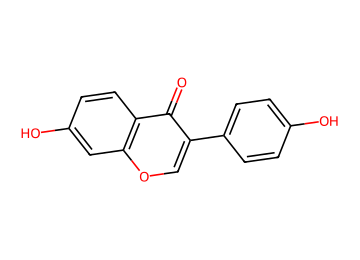
Daidzein
Isoflavone (aglycone); occurs in soy mainly as daidzin and its malonyl and acetyl glucosides
- Formula
- C15H10O4
- Mol. weight
- 254.24 g/mol
- XLogP3
- 2.5
- TPSA
- 66.8 Ų
- H-bond donors / acceptors
- 2 / 4
- Rotatable bonds
- 1
Computed properties: PubChem CID 5281708, retrieved 2026-10-29.
Sources, analysis, stability, absorption and safety
Found in
- Glycine max (soybean) — seed; in soybean the principal chemical forms are 6''-O-malonyl-β-glucoside conjugates [1]
What research reports
- Isolated soy isoflavone food supplements for peri- and post-menopausal women typically provide 35–150 mg isoflavones/day (EFSA, 2015). [4]
How it is identified and measured
- Total soy isoflavones (all 12 naturally occurring forms) in supplements, ingredients and soy foods are determined by HPLC-UV after extraction with aqueous acetonitrile containing a little DMSO, with apigenin as internal standard; in a 13-laboratory collaborative study, RSDR was 2.29 to 9.36% and HorRat 1.00 to 1.62 for samples with at least 0.8 mg/g. [3]
Standardization
- An analysis of 33 phytoestrogen supplements and extracts found considerable differences between measured isoflavone content and the content claimed by manufacturers. [2]
Stability
- Hot alcohol extraction de-esterified malonylglucoside conjugates; toasting formed 6''-O-acetyl-β-glucosides by decarboxylation; baking or frying at 190 °C did not alter total isoflavone content but steadily converted malonylglucosides to β-glucosides. Soymilk and tofu consisted almost entirely of β-glucoside conjugates. [1]
Absorption in people
- In 19 healthy women, mean Tmax was 6.6 h for daidzein aglycone and 9.0 h for its β-glycoside; daidzein had a larger apparent volume of distribution (236 L vs 161 L for genistein) and lower mean AUC (2.94 vs 4.54 µg/(mL·h)). [2]
- Gut bacteria convert daidzein to equol or O-desmethylangolensin (ODMA) in some people. After a 3-day soy challenge, the equol-producer phenotype was found in 51% of Korean American and 36% of Caucasian American women and girls. [5]
Safety
- EFSA (2015) found that human data did not show changes in mammographic density or Ki-67 in intervention studies, no effect on thyroid hormone levels, and no effect on endometrial thickness or uterine histopathology with up to 30 months of 150 mg/day soy isoflavones; some non-malignant uterine changes appeared at 60 months. The Panel could not set a single health-based guidance value. [4]
- Coward L, et al. Chemical modification of isoflavones in soyfoods during cooking and processing. Am J Clin Nutr 1998;68(6 Suppl):1486S-1491S, 1998-12. pubmed.ncbi.nlm.nih.gov
- Setchell KD, et al. Bioavailability of pure isoflavones in healthy humans and analysis of commercial soy isoflavone supplements. J Nutr 2001;131(4 Suppl):1362S-75S, 2001-04. pubmed.ncbi.nlm.nih.gov
- Collison MW. Determination of total soy isoflavones in dietary supplements, supplement ingredients, and soy foods by HPLC with UV detection: collaborative study. J AOAC Int 2008;91(3):489-500, 2008-05. pubmed.ncbi.nlm.nih.gov
- EFSA ANS Panel. Risk assessment for peri- and post-menopausal women taking food supplements containing isolated isoflavones. EFSA Journal 2015;13(10):4246, 2015-10-21. efsa.europa.eu
- Song KB, et al. Prevalence of daidzein-metabolizing phenotypes differs between Caucasian and Korean American women and girls. J Nutr 2006;136(5):1347-51, 2006-05. pubmed.ncbi.nlm.nih.gov
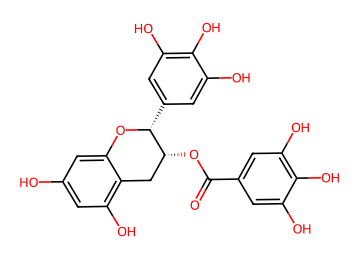
Epigallocatechin gallate (EGCG)
Flavan-3-ol (galloylated catechin)
- Formula
- C22H18O11
- Mol. weight
- 458.4 g/mol
- XLogP3
- 1.2
- TPSA
- 197 Ų
- H-bond donors / acceptors
- 8 / 11
- Rotatable bonds
- 4
Computed properties: PubChem CID 65064, retrieved 2026-10-29.
Sources, analysis, stability, absorption and safety
Found in
- Camellia sinensis (tea) — leaf (green and black tea) [1]
What research reports
- EGCG is the catechin present in highest concentration in green tea extract, of which catechins make up approximately 10% (LiverTox). [1]
- Human research summary (NCCIH, February 2025): the catechins and caffeine in green tea and its extracts may have a modest effect on body weight, with results that vary; in trials, green tea lowered total and LDL cholesterol to a small extent. [2]
- Human trial (exploratory endpoint): four weeks of 800 mg EGCG per day (as EGCG or Polyphenon E, once daily or 400 mg twice daily) did not protect against UV-induced erythema in healthy adults. [3]
How it is identified and measured
- Tea flavanols (catechins) are assayed by HPLC; ISO 14502-2 is the reference extraction and HPLC method, and a simplified ethanol-water (7+3, v+v) ultrasonic extraction for matcha was validated against it for accuracy and intraday and interday repeatability (lab method paper). [4]
- In human pharmacokinetic studies, plasma and urine tea catechins were determined by HPLC. [5]
Stability
- Auto-oxidation and epimerization are the two major reactions that make EGCG unstable; rates depend on temperature, pH, oxygen partial pressure, antioxidant level, EGCG concentration and other tea components, and EGCG dimers are the major oxidation products (lab study). [6]
- Green tea catechins were stable in water at room temperature, degraded by 20% when brewed at 98 °C for 7 h, and EGCG epimerized to gallocatechin gallate (GCG) on autoclaving at 120 °C for 20 min; in aqueous solution, the lower the pH, the more stable the catechins during storage. [7]
Absorption in people
- EGCG and epicatechin gallate circulate mostly in free form, while epicatechin and epigallocatechin are mostly glucuronide and sulfate conjugates. Taking Polyphenon E fasting gave a more than 3.5-fold higher average Cmax of free EGCG than taking it with food (30 healthy volunteers, 400 to 1,200 mg EGCG, crossover). [5]
- After 4 weeks of 800 mg EGCG once daily, the plasma EGCG AUC rose by more than 60%; no significant change was seen with 400 mg twice daily (healthy adults, 8 per group). [3]
Safety
- EFSA (2018) concluded that doses equal to or above 800 mg EGCG/day taken as a food supplement significantly increased serum transaminases compared with control in intervention studies, and that it was not possible to identify an EGCG dose from green tea extracts that could be considered safe; catechins from traditionally prepared green tea infusions are in general considered safe, provided intake corresponds to reported intakes in EU Member States. [8]
- NIH LiverTox (last update November 20, 2020) gives green tea likelihood score A; preclinical and human data implicate the catechin component, and injury is typically hepatocellular with an acute hepatitis-like presentation. [1]
In the Supplements A–Z guide: Green tea
- NIH LiverTox (NIDDK). Green Tea (last update November 20, 2020), 2020-11-20. ncbi.nlm.nih.gov
- NCCIH. Green Tea (last updated February 2025), 2025-02. nccih.nih.gov
- Chow HH, et al. Pharmacokinetics and safety of green tea polyphenols after multiple-dose administration of epigallocatechin gallate and Polyphenon E in healthy individuals. Clin Cancer Res 2003;9(9):3312-9, 2003-08-15. pubmed.ncbi.nlm.nih.gov
- Rezaeian FM, Zimmermann BF. Simplified analysis of flavanols in matcha tea. Food Chem 2022;373(Pt B):131628, 2022-03-30. pubmed.ncbi.nlm.nih.gov
- Chow HH, et al. Effects of dosing condition on the oral bioavailability of green tea catechins after single-dose administration of Polyphenon E in healthy individuals. Clin Cancer Res 2005;11(12):4627-33, 2005-06-15. pubmed.ncbi.nlm.nih.gov
- Sang S, et al. Stability of tea polyphenol (-)-epigallocatechin-3-gallate and formation of dimers and epimers under common experimental conditions. J Agric Food Chem 2005;53(24):9478-84, 2005-11-30. pubmed.ncbi.nlm.nih.gov
- Chen Z, et al. Degradation of green tea catechins in tea drinks. J Agric Food Chem 2001;49(1):477-82, 2001-01. pubmed.ncbi.nlm.nih.gov
- EFSA ANS Panel. Scientific opinion on the safety of green tea catechins. EFSA Journal 2018;16(4):e05239, 2018-04-18. pmc.ncbi.nlm.nih.gov
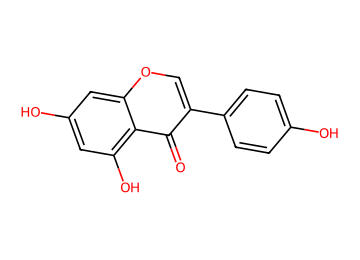
Genistein
Isoflavone (aglycone); occurs in soy mainly as genistin and its malonyl and acetyl glucosides
- Formula
- C15H10O5
- Mol. weight
- 270.24 g/mol
- XLogP3
- 2.7
- TPSA
- 87 Ų
- H-bond donors / acceptors
- 3 / 5
- Rotatable bonds
- 1
Computed properties: PubChem CID 5280961, retrieved 2026-10-29.
Sources, analysis, stability, absorption and safety
Found in
- Glycine max (soybean) — seed; in soybean the principal chemical forms are 6''-O-malonyl-β-glucoside conjugates [1]
What research reports
- Isolated soy isoflavone food supplements for peri- and post-menopausal women typically provide 35–150 mg isoflavones/day (EFSA, 2015). [4]
How it is identified and measured
- Total soy isoflavones (all 12 naturally occurring forms) in supplements, ingredients and soy foods are determined by HPLC-UV after extraction with aqueous acetonitrile containing a little DMSO, with apigenin as internal standard; in a 13-laboratory collaborative study, RSDR was 2.29 to 9.36% and HorRat 1.00 to 1.62 for samples with at least 0.8 mg/g. [3]
Standardization
- An analysis of 33 phytoestrogen supplements and extracts found considerable differences between measured isoflavone content and the content claimed by manufacturers. [2]
Stability
- Hot alcohol extraction de-esterified malonylglucoside conjugates; toasting formed 6''-O-acetyl-β-glucosides by decarboxylation; baking or frying at 190 °C did not alter total isoflavone content but steadily converted malonylglucosides to β-glucosides. Soymilk and tofu consisted almost entirely of β-glucoside conjugates. [1]
Absorption in people
- In 19 healthy women given single doses of pure isoflavones, mean Tmax was 5.2 h for genistein aglycone and 9.3 h for its β-glycoside (genistin), consistent with time needed for hydrolysis; mean AUC of genistein (4.54 µg/(mL·h)) was greater than that of daidzein (2.94), and bioavailability was greater when taken as β-glycosides than as aglycones. [2]
- Biochanin A and formononetin in one supplement were rapidly demethylated, giving high plasma genistein and daidzein. [2]
Safety
- EFSA (2015) found that human data did not show changes in mammographic density or Ki-67 in intervention studies, no effect on thyroid hormone levels, and no effect on endometrial thickness or uterine histopathology with up to 30 months of 150 mg/day soy isoflavones; some non-malignant uterine changes appeared at 60 months. The Panel could not set a single health-based guidance value. [4]
- Coward L, et al. Chemical modification of isoflavones in soyfoods during cooking and processing. Am J Clin Nutr 1998;68(6 Suppl):1486S-1491S, 1998-12. pubmed.ncbi.nlm.nih.gov
- Setchell KD, et al. Bioavailability of pure isoflavones in healthy humans and analysis of commercial soy isoflavone supplements. J Nutr 2001;131(4 Suppl):1362S-75S, 2001-04. pubmed.ncbi.nlm.nih.gov
- Collison MW. Determination of total soy isoflavones in dietary supplements, supplement ingredients, and soy foods by HPLC with UV detection: collaborative study. J AOAC Int 2008;91(3):489-500, 2008-05. pubmed.ncbi.nlm.nih.gov
- EFSA ANS Panel. Risk assessment for peri- and post-menopausal women taking food supplements containing isolated isoflavones. EFSA Journal 2015;13(10):4246, 2015-10-21. efsa.europa.eu
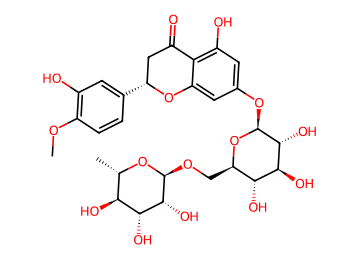
Hesperidin
Flavanone glycoside (hesperetin 7-O-rutinoside)
- Formula
- C28H34O15
- Mol. weight
- 610.6 g/mol
- XLogP3
- -1.1
- TPSA
- 234 Ų
- H-bond donors / acceptors
- 8 / 15
- Rotatable bonds
- 7
Computed properties: PubChem CID 10621, retrieved 2026-10-29.
Sources, analysis, stability, absorption and safety
Found in
- Citrus fruits, e.g. sweet orange — fruit and juice; a commercial orange juice studied provided 444 mg/L hesperidin and 96.4 mg/L narirutin [1]
- Citrus spp. — peel (processing waste) analyzed for hesperidin, coumarins and furanocoumarins [2]
What research reports
- Hesperidin is the predominant polyphenol consumed from citrus fruits and juices. [3]
How it is identified and measured
- Reversed-phase UPLC-DAD (C18, 1.9 µm; acetic acid and methanol:acetonitrile gradient) developed by analytical quality-by-design and validated by accuracy profiles quantified hesperidin in citrus peel with a lower limit of quantification of 5.32 mg/L (lab method paper). [2]
Stability
- Hesperidin showed poor, pH-independent aqueous solubility that improved greatly with 2-hydroxypropyl-β-cyclodextrin (1:1 complex). Solutions were stable at the pH values and temperatures (25 and 40 °C) tested except at pH 9 (lab study). [4]
Absorption in people
- In five healthy volunteers drinking 0.5 or 1 L orange juice, flavanone metabolites appeared in plasma at 3 h and peaked at 5 to 7 h; peak plasma hesperetin was 0.46 ± 0.07 and 1.28 ± 0.13 µmol/L, circulating as glucuronides (87%) and sulfoglucuronides (13%); urinary excretion was 4.1 to 7.9% of intake. [1]
- In a randomized, double-blind crossover trial (n = 16), removing the rhamnose (hesperidinase-treated juice yielding hesperetin-7-glucoside) doubled the plasma hesperetin AUC, raised Cmax 4-fold and shortened Tmax from 7.0 ± 3.0 h to 0.6 ± 0.1 h versus natural hesperidin juice; the authors concluded that absorption shifted from the colon to the small intestine. [3]
- Manach C, et al. Bioavailability in humans of the flavanones hesperidin and narirutin after the ingestion of two doses of orange juice. Eur J Clin Nutr 2003;57(2):235-42, 2003-02. pubmed.ncbi.nlm.nih.gov
- Santana IM, Rostagno MA, Breitkreitz MC. Analytical quality-by-design (AQbD) approach for comprehensive analysis of bioactive compounds from Citrus peel wastes by UPLC. Anal Bioanal Chem 2023;415(18):4411-4422, 2023-07. pubmed.ncbi.nlm.nih.gov
- Nielsen IL, et al. Bioavailability is improved by enzymatic modification of the citrus flavonoid hesperidin in humans: a randomized, double-blind, crossover trial. J Nutr 2006;136(2):404-8, 2006-02. pubmed.ncbi.nlm.nih.gov
- Majumdar S, Srirangam R. Solubility, stability, physicochemical characteristics and in vitro ocular tissue permeability of hesperidin. Pharm Res 2009;26(5):1217-25, 2009-05. pubmed.ncbi.nlm.nih.gov
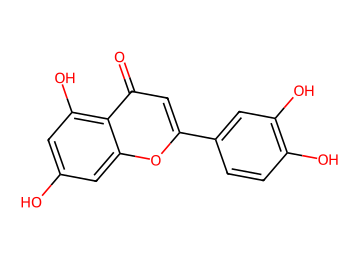
Luteolin
Flavone (aglycone); occurs mainly as glycosides such as luteolin 7-O-glucoside
- Formula
- C15H10O6
- Mol. weight
- 286.24 g/mol
- XLogP3
- 1.4
- TPSA
- 107 Ų
- H-bond donors / acceptors
- 4 / 6
- Rotatable bonds
- 1
Computed properties: PubChem CID 5280445, retrieved 2026-10-29.
Sources, analysis, stability, absorption and safety
Found in
- Artichoke — leaf; luteolin 7-O-glucoside is among the main phenolic constituents of artichoke leaf extract [1]
- Celery — leaf (flavone fraction including luteolin) [2]
How it is identified and measured
- Luteolin and caffeoylquinic-acid metabolites in human plasma and urine were measured by a validated HPLC method with 12-channel coulometric array detection. [1]
Stability
- Heated at 100 °C, luteolin (with apigenin and chrysoeriol) was most stable at pH 3 and progressively degraded at pH 5 or 7 (lab study). [2]
Absorption in people
- In 14 healthy volunteers given artichoke leaf extracts (luteolin glycosides equivalent to 14.4 or 35.2 mg luteolin, crossover), luteolin was recovered from plasma and urine only as sulfate or glucuronide conjugates, not as genuine glucosides or free luteolin; peak plasma concentrations were reached within 0.5 h, with biphasic elimination. [1]
In the Supplements A–Z guide: Holy basil
- Wittemer SM, et al. Bioavailability and pharmacokinetics of caffeoylquinic acids and flavonoids after oral administration of artichoke leaf extracts in humans. Phytomedicine 2005;12(1-2):28-38, 2005-01. pubmed.ncbi.nlm.nih.gov
- Hostetler GL, Riedl KM, Schwartz SJ. Effects of food formulation and thermal processing on flavones in celery and chamomile. Food Chem 2013;141(2):1406-11, 2013-11-15. pubmed.ncbi.nlm.nih.gov
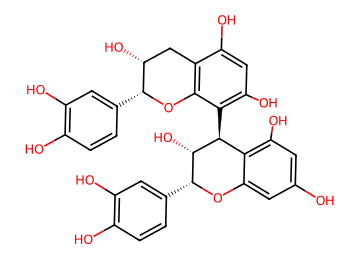
Procyanidin B2
Proanthocyanidin (B-type procyanidin dimer: epicatechin-(4β→8)-epicatechin)
- Formula
- C30H26O12
- Mol. weight
- 578.5 g/mol
- XLogP3
- 2.4
- TPSA
- 221 Ų
- H-bond donors / acceptors
- 10 / 12
- Rotatable bonds
- 3
Computed properties: PubChem CID 122738, retrieved 2026-10-29.
Sources, analysis, stability, absorption and safety
Found in
- Theobroma cacao (cocoa) — seed (flavanol-rich cocoa contains (-)-epicatechin, (+)-catechin and oligomeric procyanidins built from them) [1]
- Crataegus spp. (hawthorn) — leaf and flower; flavan compounds include (+)-catechin, (-)-epicatechin and oligo- and polymeric procyanidins [2]
- Aesculus hippocastanum (horse chestnut) — fruit shells (source from which procyanidin B2 was isolated as a reference standard) [3]
What research reports
- The EMA assessment report on hawthorn leaf and flower lists oligo- and polymeric procyanidins among the main constituents, and its overview of marketed preparations includes one characterized by oligomeric procyanidin (OPC) content per gram. [2]
How it is identified and measured
- For hawthorn products, the Ph. Eur. photometric assay gave total procyanidin estimates at least 50% higher than the DMACA assay; only HPLC with chemical reaction detection separated monomeric, dimeric and trimeric procyanidins individually, using procyanidin B2 (purity by qNMR) as calibration standard (lab study). [3]
- AOAC First Action 2020.05: HILIC with fluorescence detection determines cocoa flavanols and procyanidins by degree of polymerization (DP1–7); single-laboratory validation over 0.8–500 mg/g gave accuracy of 86–99% and RSDr of 1.5–8.6%. [4]
- Total proanthocyanidins in cranberry powders are measured by the DMAC colorimetric method with procyanidin A2 as standard (five-laboratory validation: within-laboratory RSD 4.1 ± 1.7%, between-laboratory 16.9 ± 8.5%); the authors note DMAC may not be appropriate for comparing different food types. [5]
Absorption in people
- In 5 healthy adults drinking flavanol-rich cocoa (0.375 g/kg body weight), procyanidin dimer B2 was detected in plasma at 0.5 h (16 ± 5 nmol/L) and peaked at 2 h (41 ± 4 nmol/L), against 5.92 ± 0.60 µmol/L for the monomer (-)-epicatechin. [1]
In the Supplements A–Z guide: Hawthorn
- Holt RR, et al. Procyanidin dimer B2 [epicatechin-(4beta-8)-epicatechin] in human plasma after the consumption of a flavanol-rich cocoa. Am J Clin Nutr 2002;76(4):798-804, 2002-10. pubmed.ncbi.nlm.nih.gov
- EMA HMPC. Assessment report on Crataegus spp., folium cum flore (EMA/HMPC/159076/2014), 2016-04-05. ema.europa.eu
- Wittig J, et al. Quantification of procyanidins in oral herbal medicinal products containing extracts of Crataegus species. Arzneimittelforschung 2002;52(2):89-96, 2002. pubmed.ncbi.nlm.nih.gov
- Bussy U, et al. Single-laboratory validation for the determination of cocoa flavanols and procyanidins (by degree of polymerization DP1-7) in cocoa-based products by HILIC with fluorescence detection: First Action 2020.05. J AOAC Int 2021;104(2):413-421, 2021-05-21. pubmed.ncbi.nlm.nih.gov
- Prior RL, et al. Multi-laboratory validation of a standard method for quantifying proanthocyanidins in cranberry powders. J Sci Food Agric 2010;90(9):1473-8, 2010-07. pubmed.ncbi.nlm.nih.gov
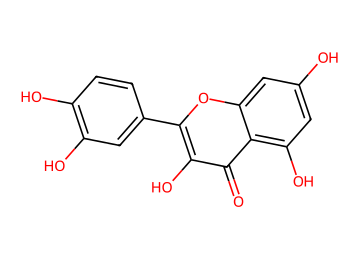
Quercetin
Flavonol (aglycone); occurs in plants mainly as glycosides
- Formula
- C15H10O7
- Mol. weight
- 302.23 g/mol
- XLogP3
- 1.5
- TPSA
- 127 Ų
- H-bond donors / acceptors
- 5 / 7
- Rotatable bonds
- 1
Computed properties: PubChem CID 5280343, retrieved 2026-10-29.
Sources, analysis, stability, absorption and safety
Found in
- Allium cepa (onion) — bulb; quercetin 3,4'-diglucoside and 4'-glucoside made up about 94 to 97% of total quercetin in six cultivars [1]
- Apple and tea (as glucose and non-glucose glycosides; quercetin-3-rutinoside is the major quercetin glycoside in tea) — fruit; leaf infusion [2]
- Fagopyrum spp. (buckwheat) — seed (0.01 to 0.17% quercetin; lower than rutin) [3]
What research reports
- Isolated quercetin is marketed as a dietary supplement, mostly as the free aglycone and frequently in daily doses up to 1000 mg, above usual dietary intake (BfR review). [4]
How it is identified and measured
- Total quercetin in plant material is commonly measured as the aglycone by acid hydrolysis followed by HPLC; in onion, enzyme-hydrolysis/HPLC, direct HPLC and a spectrophotometric method correlated with it (r² = 0.99) but read about 15% higher, identical and 10% lower, respectively (lab method paper). [1]
Stability
- Heated in aqueous model systems, quercetin and rutin degraded strongly under weakly basic and oxidative conditions, quercetin the most; protocatechuic acid was identified as a cleavage product, and antioxidant activity of the heated samples decreased (lab study, HPLC-DAD and ESI-MSn). [5]
- In vitro incubation of quercetin or its glycosides with gastrointestinal fluids showed minimal degradation. [6]
Absorption in people
- In nine healthy ileostomy volunteers, absorption was 52 ± 15% for quercetin glucosides from fried onions, 17 ± 15% for pure quercetin rutinoside and 24 ± 9% for quercetin aglycone (100 mg); urinary excretion was 0.5% of the amount absorbed. [6]
- In nine subjects, bioavailability of quercetin from apples and from pure quercetin rutinoside was each 30% of that from onions; peak plasma levels came less than 0.7 h after onions, 2.5 h after apples and 9 h after the rutinoside, with elimination half-lives of 28 h (onions) and 23 h (apples). [2]
Safety
- A BfR review found adverse effects of supplemental quercetin rarely reported in human intervention studies and mild when they occurred; adequate data on long-term use (>12 weeks) of doses of 1000 mg or more were not available, and short-term studies showed interactions altering the bioavailability of certain drugs. [4]
- NTP TR-409 (2-year feed study, up to 40,000 ppm): some evidence of carcinogenic activity in male F344/N rats (renal tubule adenomas) and no evidence in female rats; quercetin was mutagenic in Salmonella TA100 and TA98. [7]
In the Supplements A–Z guide: Yerba mate
- Yoo KS, Lee EJ, Patil BS. Quantification of quercetin glycosides in 6 onion cultivars and comparisons of hydrolysis-HPLC and spectrophotometric methods in measuring total quercetin concentrations. J Food Sci 2010;75(2):C160-5, 2010-03. pubmed.ncbi.nlm.nih.gov
- Hollman PC, et al. Relative bioavailability of the antioxidant flavonoid quercetin from various foods in man. FEBS Lett 1997;418(1-2):152-6, 1997-11-24. pubmed.ncbi.nlm.nih.gov
- Bai CZ, et al. Rutin, quercetin, and free amino acid analysis in buckwheat (Fagopyrum) seeds from different locations. Genet Mol Res 2015;14(4):19040-8, 2015-12-29. pubmed.ncbi.nlm.nih.gov
- Andres S, et al. Safety aspects of the use of quercetin as a dietary supplement. Mol Nutr Food Res 2018;62(1), 2018-01. pubmed.ncbi.nlm.nih.gov
- Buchner N, et al. Effect of thermal processing on the flavonols rutin and quercetin. Rapid Commun Mass Spectrom 2006;20(21):3229-35, 2006. pubmed.ncbi.nlm.nih.gov
- Hollman PC, et al. Absorption of dietary quercetin glycosides and quercetin in healthy ileostomy volunteers. Am J Clin Nutr 1995;62(6):1276-82, 1995-12. pubmed.ncbi.nlm.nih.gov
- National Toxicology Program. TR-409: Toxicology and Carcinogenesis Studies of Quercetin (CAS No. 117-39-5) in F344 Rats (Feed Studies). 1992, 1992-09. pubmed.ncbi.nlm.nih.gov
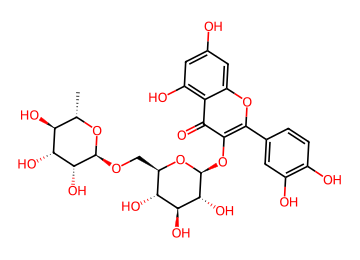
Rutin (quercetin-3-rutinoside)
Flavonol glycoside (quercetin 3-O-rutinoside)
- Formula
- C27H30O16
- Mol. weight
- 610.5 g/mol
- XLogP3
- -1.3
- TPSA
- 266 Ų
- H-bond donors / acceptors
- 10 / 16
- Rotatable bonds
- 6
Computed properties: PubChem CID 5280805, retrieved 2026-10-29.
Sources, analysis, stability, absorption and safety
Found in
- Fagopyrum esculentum (common buckwheat) — herb: highest in flowers, then leaves, then stems [1]
- Fagopyrum tataricum (tartary buckwheat) and F. esculentum — seed: 0.05 to 1.35% rutin; tartary buckwheat seeds contained more than common buckwheat, and in tartary buckwheat the bran contained more than the flour [2]
- Tea — leaf infusion; quercetin rutinoside is the major quercetin glycoside in tea [3]
How it is identified and measured
- Rutin in buckwheat herb was measured by HPLC and by two UV spectrophotometric methods (AlCl3 complex at 420 nm, and the AOAC method at 352.5 and 366.5 nm); results correlated, but the AOAC and AlCl3 methods gave on average 140% and 30% higher values than HPLC (lab study). [1]
Stability
- Heated in an aqueous model system, rutin degraded strongly under weakly basic and oxidative conditions, though less than quercetin aglycone (lab study). [4]
- Buckwheat leaves grown under ambient UV-B contained 97% more rutin than leaves grown under reduced UV-B (growth condition, not post-harvest stability). [1]
- In a UV-spectroscopy model study over pH 3 to 11, rutin resisted major pH-induced degradation (lab study). [6]
Absorption in people
- In nine healthy ileostomy volunteers, absorption of pure quercetin rutinoside (100 mg aglycone equivalent) was 17 ± 15%, against 52 ± 15% for quercetin glucosides from onions. [3]
- Relative to onions, bioavailability of quercetin from pure quercetin rutinoside was 30%, with peak plasma levels reached 9 h after ingestion (nine subjects); the authors concluded that conjugation with glucose enhances absorption from the small gut. [5]
In the Supplements A–Z guide: Yerba mate · Noni
- Kreft S, et al. Rutin in buckwheat herbs grown at different UV-B radiation levels: comparison of two UV spectrophotometric and an HPLC method. J Exp Bot 2002;53(375):1801-4, 2002-08. pubmed.ncbi.nlm.nih.gov
- Bai CZ, et al. Rutin, quercetin, and free amino acid analysis in buckwheat (Fagopyrum) seeds from different locations. Genet Mol Res 2015;14(4):19040-8, 2015-12-29. pubmed.ncbi.nlm.nih.gov
- Hollman PC, et al. Absorption of dietary quercetin glycosides and quercetin in healthy ileostomy volunteers. Am J Clin Nutr 1995;62(6):1276-82, 1995-12. pubmed.ncbi.nlm.nih.gov
- Buchner N, et al. Effect of thermal processing on the flavonols rutin and quercetin. Rapid Commun Mass Spectrom 2006;20(21):3229-35, 2006. pubmed.ncbi.nlm.nih.gov
- Hollman PC, et al. Relative bioavailability of the antioxidant flavonoid quercetin from various foods in man. FEBS Lett 1997;418(1-2):152-6, 1997-11-24. pubmed.ncbi.nlm.nih.gov
- Friedman M, Jürgens HS. Effect of pH on the stability of plant phenolic compounds. J Agric Food Chem 2000;48(6):2101-10, 2000-06. pubmed.ncbi.nlm.nih.gov
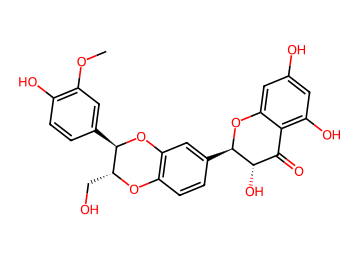
Silybin (silibinin)
Flavonolignan; PubChem title Silibinin; silybin A and silybin B are measured separately among silymarin components
- Formula
- C25H22O10
- Mol. weight
- 482.4 g/mol
- XLogP3
- 2.4
- TPSA
- 155 Ų
- H-bond donors / acceptors
- 5 / 10
- Rotatable bonds
- 4
Computed properties: PubChem CID 31553, retrieved 2026-10-29.
Sources, analysis, stability, absorption and safety
Found in
- Silybum marianum (L.) Gaertn. (milk thistle) — dried fruit (Silybi mariani fructus) [5]
- Silybum marianum (milk thistle) extract — silymarin, composed mainly of silychristin, silydianin, silybin A, silybin B, isosilybin A and isosilybin B [1]
What research reports
- Silybin is the main active component of silymarin (pharmacokinetic study authors). [2]
- Human research summary (NIH LiverTox, January 21, 2020): human studies of silymarin in chronic liver disease have been promising but inconclusive; controlled trials in chronic hepatitis C and nonalcoholic fatty liver disease found little or no evidence of benefit, and a Cochrane review found no significant effect on mortality in alcoholic liver disease. [3]
How it is identified and measured
- HPLC with qNMR-controlled reference standards quantified taxifolin and seven major flavonolignans (silybin A, silybin B, isosilybin A, isosilybin B, silychristin, isosilychristin, silydianin) in milk thistle fruits after accelerated solvent extraction; the method was validated per ICH guidelines (lab study). [4]
- Free, sulfated and glucuronidated flavonolignans in human plasma were measured by LC-ESI-MS. [1]
Standardization
- The EU herbal monograph on Silybum marianum fruit (EMA/HMPC/294187/2013, 5 June 2018) defines traditional-use preparations by drug-extract ratio and solvent (for example dry extract DER 20–70:1) and states that the material complies with Ph. Eur. monograph 1860. [5]
- Fruits of Egyptian S. marianum populations clustered into silydianin-rich samples, samples averaging under 18.8 mg/g silymarin, and a silymarin-enriched class (over 18.8 mg/g); fruit color (maturity) did not correlate with silymarin content. [4]
Stability
- In water at pH 5.1 and 100 to 160 °C, silymarin components degraded by first-order kinetics; the largest rate constant was 0.0840 per min for silybin B at 160 °C, and half-lives ranged from 6.2 min (160 °C) to 58.3 min (100 °C) for silychristin. No degradation was seen in pure ethanol at 140 °C, but degradation rose exponentially with water content in ethanol-water (lab study). [6]
Absorption in people
- After a single 600 mg dose of standardized milk thistle extract in three healthy volunteers, flavonolignans were rapidly eliminated (half-lives 1–3 h free, 3–8 h conjugated); conjugate AUCs were 4- to 30-fold those of free forms, and near the plasma peak (1–3 h) free, sulfated and glucuronidated forms were about 17, 28 and 55% of total. [1]
- In 9 healthy volunteers, a silybin-phosphatidylcholine complex (IdB 1016) gave higher plasma silybin at all sampling times than silymarin at the same 360 mg silybin dose; terminal half-life was generally under 4 h, most circulating silybin was conjugated, and urinary recovery was under 3% of the dose. [2]
Safety
- NIH LiverTox gives milk thistle likelihood score E (unlikely cause of clinically apparent liver injury) and reports little evidence of clinically significant herb-drug interactions. [3]
- The EU herbal monograph lists mild gastrointestinal symptoms, headache and allergic reactions (including anaphylaxis) as possible undesirable effects, and does not recommend use in pregnancy and lactation in the absence of sufficient data. [5]
In the Supplements A–Z guide: Milk thistle
- Wen Z, et al. Pharmacokinetics and metabolic profile of free, conjugated, and total silymarin flavonolignans in human plasma after oral administration of milk thistle extract. Drug Metab Dispos 2008;36(1):65-72, 2008-01. pubmed.ncbi.nlm.nih.gov
- Barzaghi N, et al. Pharmacokinetic studies on IdB 1016, a silybin-phosphatidylcholine complex, in healthy human subjects. Eur J Drug Metab Pharmacokinet 1990;15(4):333-8, 1990-10. pubmed.ncbi.nlm.nih.gov
- NIH LiverTox (NIDDK). Milk Thistle (last update January 21, 2020), 2020-01-21. ncbi.nlm.nih.gov
- AbouZid SF, Chen SN, Pauli GF. Silymarin content in Silybum marianum populations growing in Egypt. Ind Crops Prod 2016;83:729-737, 2016-05. pubmed.ncbi.nlm.nih.gov
- EMA HMPC. European Union herbal monograph on Silybum marianum (L.) Gaertn., fructus (EMA/HMPC/294187/2013), 2018-06-05. ema.europa.eu
- Duan L, et al. Extraction of co-products from biomass: example of thermal degradation of silymarin compounds in subcritical water. Appl Biochem Biotechnol 2009;158(2):362-73, 2009-08. pubmed.ncbi.nlm.nih.gov
Stilbenes, lignans and curcuminoids
What they are. Three groups combined in this atlas: stilbenes (phenolic compounds with a C6-C2-C6 skeleton, e.g. resveratrol), lignans (dimers of phenylpropane units formed by oxidative dimerization of two phenylpropanoid units, e.g. secoisolariciresinol and sesamin) and curcuminoids (curcumin is 1,7-bis(4-hydroxy-3-methoxyphenyl)hepta-1,6-diene-3,5-dione, with demethoxy- and bisdemethoxycurcumin).
Examples. Resveratrol, secoisolariciresinol diglucoside, sesamin, curcumin
How they are measured. Reversed-phase HPLC-UV (e.g. 306 nm for resveratrol; fused-core HPLC for the three curcuminoids), UHPLC-HRMS for SDG after alkaline release from its ester-linked complex; LC-MS for plasma metabolites.
Handling and absorption. Systemic exposure to the parent compounds is low: unchanged resveratrol was below 5 ng/mL in plasma despite at least 70% absorption, and curcumin was undetectable in serum after single doses up to 8 g. Dietary lignans are metabolized by gut bacteria to the enterolignans enterodiol and enterolactone. Curcumin decomposes rapidly at neutral-basic pH; trans-resveratrol isomerizes to cis under UV light.
Sources: Bo S, et al. Naturally occurring prenylated stilbenoids: food sources, biosynthesis, applications and health benefits. Crit Rev Food Sci Nutr 2023;63(26):8083-8106; Dar AA, Arumugam N. Lignans of sesame: purification methods, biological activities and biosynthesis: a review. Bioorg Chem 2013;50:1-10; Sok DE, Cui HS, Kim MR. Isolation and bioactivities of furfuran type lignan compounds from edible plants. Recent Pat Food Nutr Agric 2009;1(1):87-95; Kotha RR, Luthria DL. Curcumin: biological, pharmaceutical, nutraceutical, and analytical aspects. Molecules 2019;24(16):2930; Walle T, et al. High absorption but very low bioavailability of oral resveratrol in humans. Drug Metab Dispos 2004;32(12):1377-82; Lao CD, et al. Dose escalation of a curcuminoid formulation. BMC Complement Altern Med 2006;6:10; Wang YJ, et al. Stability of curcumin in buffer solutions and characterization of its degradation products. J Pharm Biomed Anal 1997;15(12):1867-76; Mattioli R, et al. Effect of natural deep eutectic solvents on trans-resveratrol photo-chemical induced isomerization. Molecules 2022;27(7):2348; Qian G, et al. Optimization and validation of a chromatographic method for the simultaneous quantification of six bioactive compounds in Rhizoma et Radix Polygoni Cuspidati. J Pharm Pharmacol 2008;60(1):107-13; Osorio-Tobón JF, et al. Fast analysis of curcuminoids from turmeric (Curcuma longa L.) by HPLC using a fused-core column. Food Chem 2016;200:167-74; Zhao M, et al. Development and validation of an UHPLC-HRMS method for simultaneous quantification of cyanogenic glycosides and secoisolariciresinol diglucoside in flaxseed (Linum usitatissimum L.). J Chromatogr A 2019;1601:214-223
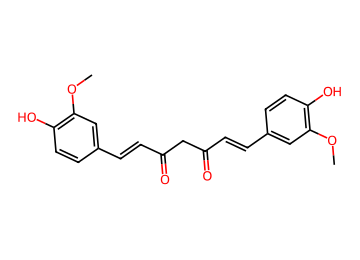
Curcumin
Curcuminoid (diarylheptanoid); occurs with demethoxycurcumin and bisdemethoxycurcumin
- Formula
- C21H20O6
- Mol. weight
- 368.4 g/mol
- XLogP3
- 3.2
- TPSA
- 93.1 Ų
- H-bond donors / acceptors
- 2 / 6
- Rotatable bonds
- 8
Computed properties: PubChem CID 969516, retrieved 2026-10-29.
Sources, analysis, stability, absorption and safety
Found in
- Curcuma longa L. (turmeric) — rhizome [1]
What research reports
- Curcumin is a major component of turmeric and gives the spice its yellow color (NCCIH). [2]
- Human research summary (NCCIH, April 2025): "We don't know enough to definitively conclude if turmeric or curcumin is beneficial for any health purposes." For oral use in osteoarthritis, NCCIH calls the initial evidence positive and says higher-quality evidence is needed. [2]
How it is identified and measured
- Reversed-phase HPLC separates and quantifies the three main curcuminoids (curcumin, demethoxycurcumin, bisdemethoxycurcumin). One validated fused-core method (acidified water/acetonitrile gradient, 55 °C) resolved them in about 1.3 min, with LOD below 0.40 mg/L and LOQ below 1.34 mg/L, validated on turmeric rhizome extracts and products (lab method paper). [3]
Standardization
- The EU herbal monograph on Curcuma longa rhizome (EMA/HMPC/329755/2017, 25 September 2018) defines traditional-use preparations by drug-extract ratio and solvent, for example dry extract DER 13–25:1 (ethanol 96% V/V) and dry extract DER 5.5–6.5:1 (ethanol 50% V/V), and states that the material complies with Ph. Eur. monograph 2543. [1]
Stability
- In 0.1 M phosphate buffer and serum-free medium at pH 7.2 and 37 °C, about 90% of curcumin decomposed within 30 min; across pH 3 to 10, decomposition was faster at neutral-basic pH. It was more stable in medium with 10% fetal calf serum and in human blood (under 20% lost in 1 h). Vanillin, ferulic acid and feruloyl methane were identified as minor degradation products. [4]
Absorption in people
- In a single-dose escalation study in healthy volunteers (500 to 12,000 mg of a standardized curcuminoid powder), no curcumin was detected in serum at doses up to 8,000 mg; low levels were detected in two subjects given 10,000 or 12,000 mg. [5]
- With 2 g curcumin alone, serum levels in human volunteers were undetectable or very low; adding 20 mg piperine (an inhibitor of glucuronidation) gave much higher concentrations from 0.25 to 1 h, reported as a 2000% increase in bioavailability. [6]
- In a randomized crossover study (13 women, 10 men; 500 mg curcuminoids), AUC was 9-fold higher for micronized powder and 185-fold higher for liquid micelles than for native curcumin across all subjects; women absorbed curcumin more efficiently than men. [7]
Safety
- NIH LiverTox (last update June 16, 2025) gives turmeric likelihood score A (well-documented cause of clinically apparent liver injury), typically hepatocellular; it notes that high-bioavailability forms of purified curcumin, including piperine combinations, were linked to several cases of liver injury. [8]
- EFSA's re-evaluation of curcumin as a food additive (E 100) set an ADI of 3 mg/kg bw/day based on a NOAEL of 250–320 mg/kg bw/day from a reproductive toxicity study. [9]
- The EU herbal monograph lists mild dry mouth, flatulence and gastric irritation as possible undesirable effects and does not recommend use in pregnancy and lactation in the absence of sufficient data. [1]
In the Supplements A–Z guide: Turmeric · Java turmeric
- EMA HMPC. European Union herbal monograph on Curcuma longa L., rhizoma (EMA/HMPC/329755/2017), 2018-09-25. ema.europa.eu
- NCCIH. Turmeric: Usefulness and Safety (last updated April 2025), 2025-04. nccih.nih.gov
- Osorio-Tobón JF, et al. Fast analysis of curcuminoids from turmeric (Curcuma longa L.) by HPLC using a fused-core column. Food Chem 2016;200:167-74, 2016-06-01. pubmed.ncbi.nlm.nih.gov
- Wang YJ, et al. Stability of curcumin in buffer solutions and characterization of its degradation products. J Pharm Biomed Anal 1997;15(12):1867-76, 1997-08. pubmed.ncbi.nlm.nih.gov
- Lao CD, et al. Dose escalation of a curcuminoid formulation. BMC Complement Altern Med 2006;6:10, 2006-03-17. pubmed.ncbi.nlm.nih.gov
- Shoba G, et al. Influence of piperine on the pharmacokinetics of curcumin in animals and human volunteers. Planta Med 1998;64(4):353-6, 1998-05. pubmed.ncbi.nlm.nih.gov
- Schiborr C, et al. The oral bioavailability of curcumin from micronized powder and liquid micelles is significantly increased in healthy humans and differs between sexes. Mol Nutr Food Res 2014;58(3):516-27, 2014-03. pubmed.ncbi.nlm.nih.gov
- NIH LiverTox (NIDDK). Turmeric (last update June 16, 2025), 2025-06-16. ncbi.nlm.nih.gov
- EFSA ANS Panel. Scientific Opinion on the re-evaluation of curcumin (E 100) as a food additive. EFSA Journal 2010;8(9):1679, 2010-09. efsa.europa.eu
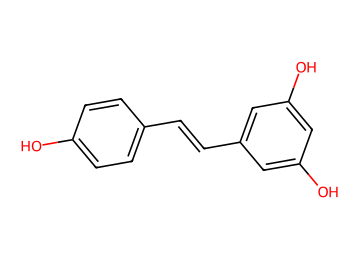
Resveratrol (trans-resveratrol)
Stilbene (hydroxystilbene); occurs free and as the glucoside polydatin
- Formula
- C14H12O3
- Mol. weight
- 228.24 g/mol
- XLogP3
- 3.1
- TPSA
- 60.7 Ų
- H-bond donors / acceptors
- 3 / 3
- Rotatable bonds
- 2
Computed properties: PubChem CID 445154, retrieved 2026-10-29.
Sources, analysis, stability, absorption and safety
Found in
- Vitis vinifera (grape) — fruit skin [1]
- Polygonum cuspidatum (Japanese knotweed) — rhizome and root (Rhizoma et Radix Polygoni Cuspidati) [2]
- Also reported in red wine, peanuts, pistachios, blueberries and cranberries — food [3]
What research reports
- Human research summary (MSK About Herbs, February 2023): evidence is mixed; a meta-analysis found no significant effect on memory or cognition, cardiovascular findings are inconsistent, and a Cochrane review found insufficient evidence in diabetes. [3]
How it is identified and measured
- Reversed-phase HPLC with UV detection at 306 nm quantifies resveratrol and its glucoside polydatin; a validated method for Polygonum cuspidatum rhizome and root measured polydatin, resveratrol, rhein, emodin, chrysophanol and physcion in 24 authentic samples (lab method paper). [2]
- In human plasma and urine, resveratrol and its metabolites were identified by HPLC-tandem mass spectrometry and quantified by HPLC-UV (phase I study). [4]
Standardization
- For Polygonum cuspidatum rhizome and root, the validated HPLC study notes that polydatin and emodin are the conventional quality markers and proposes resveratrol and physcion as more suitable markers; polydatin content in Sichuan samples was almost 2-fold that of Guangxi samples. [2]
Stability
- Under UV light, trans-resveratrol undergoes photochemical trans-to-cis isomerization and a 6π electrocyclization that forms 2,4,6-trihydroxyphenanthrene (THP), a potentially genotoxic product; glycerol-containing natural deep eutectic solvents limited both reactions in the lab. [5]
Absorption in people
- In six volunteers given 25 mg oral 14C-resveratrol, absorption was at least 70% and peak plasma resveratrol plus metabolites was 491 ± 90 ng/mL (about 2 µM), but only trace unchanged resveratrol (<5 ng/mL) was detected; rapid sulfate conjugation in intestine and liver was identified as rate-limiting. [6]
- In a phase I study (single doses 0.5 to 5 g, 10 healthy volunteers per dose), peak plasma resveratrol at 5 g was 539 ± 384 ng/mL (2.4 µmol/L) at 1.5 h; AUC values of resveratrol-3-sulfate and monoglucuronides were up to 23 times those of resveratrol. [4]
Safety
- Single doses up to 5 g caused no serious adverse events in the phase I study. [4]
- MSK lists mild to moderate gastrointestinal symptoms and diarrhea at 2.5 and 5 g daily; in healthy volunteers resveratrol inhibited CYP3A4, 2D6 and 2C9, and use with anticoagulant or antiplatelet drugs may increase bleeding risk. [3]
In the Supplements A–Z guide: Resveratrol
- Pascual-Martí MC, et al. Supercritical fluid extraction of resveratrol from grape skin of Vitis vinifera and determination by HPLC. Talanta 2001;54(4):735-40, 2001-05-30. pubmed.ncbi.nlm.nih.gov
- Qian G, et al. Optimization and validation of a chromatographic method for the simultaneous quantification of six bioactive compounds in Rhizoma et Radix Polygoni Cuspidati. J Pharm Pharmacol 2008;60(1):107-13, 2008-01. pubmed.ncbi.nlm.nih.gov
- Memorial Sloan Kettering Cancer Center. About Herbs: Resveratrol (last updated February 17, 2023), 2023-02-17. mskcc.org
- Boocock DJ, et al. Phase I dose escalation pharmacokinetic study in healthy volunteers of resveratrol. Cancer Epidemiol Biomarkers Prev 2007;16(6):1246-52, 2007-06. pubmed.ncbi.nlm.nih.gov
- Mattioli R, et al. Effect of natural deep eutectic solvents on trans-resveratrol photo-chemical induced isomerization and 2,4,6-trihydroxyphenanthrene electro-cyclic formation. Molecules 2022;27(7):2348, 2022-04-06. pubmed.ncbi.nlm.nih.gov
- Walle T, et al. High absorption but very low bioavailability of oral resveratrol in humans. Drug Metab Dispos 2004;32(12):1377-82, 2004-12. pubmed.ncbi.nlm.nih.gov
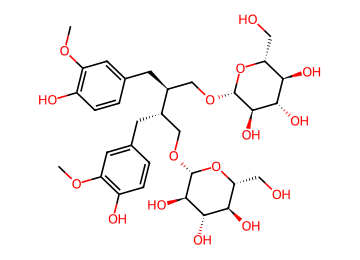
Secoisolariciresinol diglucoside (SDG)
Lignan glycoside; in flaxseed bound in a hydroxymethylglutaryl ester-linked complex (SDG-HMG)
- Formula
- C32H46O16
- Mol. weight
- 686.7 g/mol
- XLogP3
- -0.7
- TPSA
- 258 Ų
- H-bond donors / acceptors
- 10 / 16
- Rotatable bonds
- 15
Computed properties: PubChem CID 9917980, retrieved 2026-10-29.
Sources, analysis, stability, absorption and safety
Found in
- Linum usitatissimum L. (flaxseed, linseed) — seed; the main lignan, bound in a hydroxymethylglutaryl ester-linked complex (SDG-HMG) [1]
- Flaxseed — seed; described as the most concentrated food source of the plant lignan secoisolariciresinol [2]
What research reports
- Flaxseed lignans are thought to contribute phytoestrogenic effects (MSK). MSK reports that supplementation with a major flaxseed-derived lignan improved glycemic control in type 2 diabetic patients in a trial, and that flaxseed-derived lignan decreased blood glucose in hypercholesterolemic individuals. [2]
How it is identified and measured
- A validated UPLC-ESI-HRMS method extracts SDG and cyanogenic glycosides (linustatin, neolinustatin) with aqueous methanol and then aqueous alkali (ultrasound-assisted), hydrolyzes with 0.02 M NaOH to release SDG from its ester-linked complex, and quantifies with amygdalin as internal standard; validated for linearity, stability, selectivity, precision and accuracy (lab method paper). [1]
- SDG in doughs and baked products was analyzed by HPLC-DAD. [3]
Stability
- SDG added to rye breads, graham buns and muffins withstood normal baking temperatures and was relatively stable during storage at room temperature for 1 week and at -25 °C for 1 and 2 months (lab study). [3]
Absorption in people
- After a single dose of purified SDG (1.31 µmol/kg body weight) in 12 healthy volunteers, the enterolignans enterodiol and enterolactone (formed by gut bacteria) appeared in plasma 8–10 h after ingestion and peaked at 14.8 ± 5.1 h and 19.7 ± 6.2 h, with elimination half-lives of 4.4 ± 1.3 h and 12.6 ± 5.6 h; up to 40% of the SDG dose was excreted in urine as enterolignans within 3 days, mostly (58%) as enterolactone. [4]
Safety
- For flaxseed (not isolated SDG), MSK lists increased bowel movements, constipation and flatulence as common effects, case reports including anaphylaxis, and advises patients with ER-positive breast cancer to consult their physicians because of phytoestrogenic effects. [2]
In the Supplements A–Z guide: Flaxseed
- Zhao M, et al. Development and validation of an UHPLC-HRMS method for simultaneous quantification of cyanogenic glycosides and secoisolariciresinol diglucoside in flaxseed (Linum usitatissimum L.). J Chromatogr A 2019;1601:214-223, 2019-09-13. pubmed.ncbi.nlm.nih.gov
- Memorial Sloan Kettering Cancer Center. About Herbs: Flaxseed (last updated July 27, 2026), 2026-07-27. mskcc.org
- Hyvärinen HK, et al. Effect of processing and storage on the stability of flaxseed lignan added to bakery products. J Agric Food Chem 2006;54(1):48-53, 2006-01-11. pubmed.ncbi.nlm.nih.gov
- Kuijsten A, et al. Pharmacokinetics of enterolignans in healthy men and women consuming a single dose of secoisolariciresinol diglucoside. J Nutr 2005;135(4):795-801, 2005-04. pubmed.ncbi.nlm.nih.gov
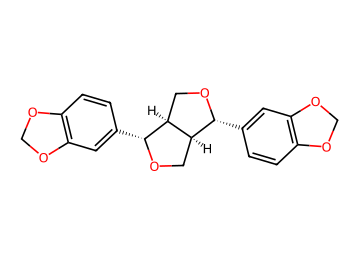
Sesamin
Lignan (major sesame lignan); partly converted to its stereoisomer episesamin during refining
- Formula
- C20H18O6
- Mol. weight
- 354.4 g/mol
- XLogP3
- 2.7
- TPSA
- 55.4 Ų
- H-bond donors / acceptors
- 0 / 6
- Rotatable bonds
- 2
Computed properties: PubChem CID 72307, retrieved 2026-10-29.
Sources, analysis, stability, absorption and safety
Found in
- Sesamum indicum (sesame) — seed and seed oil; sesamin is a major sesame seed lignan [1]
What research reports
- Human study: in four subjects given sesame seeds after a low-lignan diet, the appearance of mammalian lignans in plasma showed sesamin to be a major precursor of enterolactone in vivo; enterolactone was also the major metabolite in human fecal fermentation in vitro. [1]
How it is identified and measured
- Sesamin and sesamolin were recovered from sesame oil by centrifugal partition extraction and chromatography at over 95% purity, with structures confirmed by HRMS/MS and NMR and purity determined by HPLC; minor lignans samin, sesamol, sesaminol and episesaminol were also isolated (lab study). [2]
Stability
- Sesamin is partially converted to its stereoisomer episesamin during refining of non-roasted sesame seed oil. [3]
- Under acid catalysis (citric acid on zeolite beta, 85 °C, 2.7 h) sesamin in sesame oil was converted into its isomer asarinin, yielding 51.80 mg/100 g (lab study). [4]
Absorption in people
- In 10 healthy subjects taking 50 mg sesame lignans (sesamin:episesamin 1:1) once daily for 28 days, sesamin peaked in plasma at 5.0 h; its main metabolite SC-1 peaked at 5.0 h with a terminal half-life of 2.4 h, and episesamin had a terminal half-life of 7.1 h. Steady state was reached by day 7 with no accumulation. [5]
- After a single dose of sesame seeds, plasma plant lignan concentrations showed high interindividual variation. [1]
Safety
- In the 28-day study in 48 healthy subjects (50 mg/day sesame lignans or placebo), no serious adverse events were observed. [5]
- Sesamin and episesamin were negative in the Ames test with and without S9; sesamin induced structural chromosomal aberrations in vitro only at cytotoxic concentrations with S9, and oral doses up to 2.0 g/kg caused no increase in the in vivo bone-marrow micronucleus or liver comet assays. [3]
- Peñalvo JL, et al. Dietary sesamin is converted to enterolactone in humans. J Nutr 2005;135(5):1056-62, 2005-05. pubmed.ncbi.nlm.nih.gov
- Michailidis D, et al. Recovery of sesamin, sesamolin, and minor lignans from sesame oil using solid support-free liquid-liquid extraction and chromatography techniques. Front Pharmacol 2019;10:723, 2019-06-28. pubmed.ncbi.nlm.nih.gov
- Hori H, et al. Genotoxicity evaluation of sesamin and episesamin. Mutat Res 2011;719(1-2):21-8, 2011-02-03. pubmed.ncbi.nlm.nih.gov
- Yu Q, et al. Preparation and characterization of solid acid catalysts for the conversion of sesamin into asarinin in sesame oil. Foods 2022;11(9):1225, 2022-04-24. pubmed.ncbi.nlm.nih.gov
- Tomimori N, et al. Pharmacokinetics and safety of the sesame lignans, sesamin and episesamin, in healthy subjects. Biopharm Drug Dispos 2013;34(8):462-73, 2013-11. pubmed.ncbi.nlm.nih.gov
Coumarins
What they are. Coumarin itself is 1,2-benzopyrone (C9H6O2), found in tonka beans among other natural sources and also synthesized. Related compounds measured in citrus peel include herniarin, citropten and bergapten.
Examples. Coumarin (atlas entry); herniarin, citropten, bergapten (citrus peel)
How they are measured. UPLC/HPLC-UV and MS; a validated UPLC-UV/MS method measured coumarin in cinnamon barks, foods and supplements, and a QbD-developed UPLC-DAD method quantified herniarin, citropten and bergapten in citrus peel (LLOQ 0.40–0.52 mg/L). 21 CFR 189.130 cites AOAC methods for coumarin in food.
Handling and absorption. Coumarin from cassia cinnamon is absorbed almost as well as isolated coumarin (urinary 7-hydroxycoumarin 54.7–66.1% vs 62.8% of dose). EFSA and BfR derived a TDI of 0.1 mg/kg body weight from hepatotoxicity data; in the US, food with added coumarin is deemed adulterated.
Sources: eCFR. 21 CFR 189.130 Coumarin (up to date as of October 22, 2026); Santana IM, Rostagno MA, Breitkreitz MC. AQbD approach for comprehensive analysis of bioactive compounds from Citrus peel wastes by UPLC. Anal Bioanal Chem 2023;415(18):4411-4422; Wang YH, et al. Cassia cinnamon as a source of coumarin in cinnamon-flavored food and food supplements in the United States. J Agric Food Chem 2013;61(18):4470-6; Abraham K, et al. Relative bioavailability of coumarin from cinnamon and cinnamon-containing foods compared to isolated coumarin. Mol Nutr Food Res 2011;55(4):644-53; Abraham K, et al. Toxicology and risk assessment of coumarin: focus on human data. Mol Nutr Food Res 2010;54(2):228-39
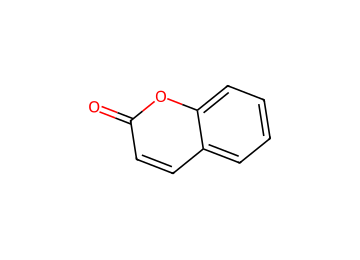
Coumarin
Simple coumarin (1,2-benzopyrone, C9H6O2)
- Formula
- C9H6O2
- Mol. weight
- 146.14 g/mol
- XLogP3
- 1.4
- TPSA
- 26.3 Ų
- H-bond donors / acceptors
- 0 / 2
- Rotatable bonds
- 0
Computed properties: PubChem CID 323, retrieved 2026-10-29.
Sources, analysis, stability, absorption and safety
Found in
- Cassia cinnamon: Cinnamomum cassia, C. loureiroi and C. burmannii — bark; substantial coumarin in all three cassia species, especially C. loureiroi and C. burmannii [1]
- Cassia cinnamon — bark powder; contains high levels of coumarin (up to 1%) [3]
- Cinnamomum verum ("true cinnamon") — dried inner bark; only traces of coumarin [1]
- Tonka bean — bean and its extract [2]
What research reports
- Coumarin has been used as a flavoring compound and is found in tonka beans among other natural sources; it is also synthesized (21 CFR 189.130). [2]
- A BfR review describes coumarin as a secondary phytochemical with hepatotoxic and carcinogenic properties. [4]
How it is identified and measured
- A validated UPLC-UV/MS method measured coumarin and other marker compounds in authenticated cinnamon barks, retail cinnamon, cinnamon-flavored foods and cinnamon supplements; coumarin was detected in all retail samples, whose chemical profiles pointed to Indonesian cassia (C. burmannii) (lab study). [1]
- 21 CFR 189.130(c) cites AOAC Official Methods (13th ed., 1980), sections 19.016–19.024, as the analytical methods for detecting coumarin in food. [2]
Absorption in people
- In a four-way crossover study (24 healthy volunteers, 12 mg coumarin), the relative extent of absorption measured as urinary 7-hydroxycoumarin was 62.8% for isolated coumarin, 56.0% for cinnamon in capsules, 66.1% for cinnamon tea and 54.7% for cinnamon in rice pudding; absorption from cinnamon tea was fastest, with the highest peak 7-hydroxycoumarin concentrations. [3]
Safety
- US: food containing any added coumarin as such or as a constituent of tonka beans or tonka extract is deemed adulterated (21 CFR 189.130(b), based on a 1954 order). [2]
- EFSA derived a tolerable daily intake (TDI) of 0.1 mg/kg body weight from animal hepatotoxicity data after discounting a genotoxic mechanism in 2004; a BfR analysis of clinical data from patients treated with coumarin identified a more susceptible human subgroup and confirmed the 0.1 mg/kg TDI. Heavy consumers of cassia cinnamon may reach the TDI. [4]
In the Supplements A–Z guide: Cinnamon
- Wang YH, et al. Cassia cinnamon as a source of coumarin in cinnamon-flavored food and food supplements in the United States. J Agric Food Chem 2013;61(18):4470-6, 2013-05-08. pubmed.ncbi.nlm.nih.gov
- eCFR. 21 CFR 189.130 Coumarin (up to date as of October 22, 2026), 2026-10-22. ecfr.gov
- Abraham K, et al. Relative bioavailability of coumarin from cinnamon and cinnamon-containing foods compared to isolated coumarin: a four-way crossover study in human volunteers. Mol Nutr Food Res 2011;55(4):644-53, 2011-04. pubmed.ncbi.nlm.nih.gov
- Abraham K, et al. Toxicology and risk assessment of coumarin: focus on human data. Mol Nutr Food Res 2010;54(2):228-39, 2010-02. pubmed.ncbi.nlm.nih.gov
Anthraquinones and anthrones
What they are. Hydroxyanthracene derivatives: anthraquinone aglycones (emodin, aloe-emodin, rhein, chrysophanol, physcion) and their glycosides, such as the aloins of aloe and the β-O-linked sennosides of senna. The 1,8-dihydroxyanthracene derivatives of senna, aloe and rhubarb act as contact laxatives. This atlas also places here the naphthodianthrones of St John's wort (hypericin, pseudohypericin).
Examples. Aloin (barbaloin), emodin, sennoside A, hypericin
How they are measured. EU monographs express content as hydroxyanthracene derivatives calculated as one marker (sennoside B for senna, aloin for aloe, rhein for rhubarb), and the Ph. Eur. senna monographs use a photometric assay based on the Bornträger reaction. Specific HPLC/UHPLC methods measure individual glycosides and aglycones (AOAC 2016.09 for aloin A, aloin B and aloe-emodin; ICH-validated HPLC for sennosides A and B). Hypericins require light-protected handling or mathematical conversion of proto-forms.
Handling and absorption. The glycosides are not absorbed in the upper gut; colonic bacteria release the active anthrones (rhein anthrone, aloe-emodin-9-anthrone, emodin-9-anthrone), and absorbed aglycones circulate mainly as glucuronides and sulfates. Several hydroxyanthracene derivatives are genotoxic in vitro; EU senna and aloe monographs contraindicate use in pregnancy and limit use to no more than 1 week. Sennosides in solution lost 20–60% after 1 day of light exposure.
Sources: EMA HMPC. European Union herbal monograph on Senna alexandrina Mill., folium (EMA/HMPC/625849/2015); EMA HMPC. European Union herbal monograph on Aloe barbadensis Mill. and Aloe (various species), folii succus siccatus (EMA/HMPC/625788/2015); EMA HMPC. European Union herbal monograph on Rheum palmatum L. and Rheum officinale Baillon, radix (EMA/HMPC/113700/2019); Meier N, et al. In-silico UHPLC method optimization for aglycones in the herbal laxatives Aloe barbadensis Mill., Cassia angustifolia Vahl pods, Rhamnus frangula L. bark, Rhamnus purshianus DC. bark, and Rheum palmatum L. roots. Molecules 2017;22(11):1838; Rosenthal I, Wolfram E, Meier B. An HPLC method to determine sennoside A and sennoside B in Sennae fructus and Sennae folium. Pharmeur Bio Sci Notes 2014:92-102; Lee I, et al. Determination of aloin A, aloin B, and aloe-emodin in raw materials and finished products using HPLC: multilaboratory validation study, AOAC 2016.09, Final Action. J AOAC Int 2025;108(3):449-471; Baugh SF. Simultaneous determination of protopseudohypericin, pseudohypericin, protohypericin, and hypericin without light exposure. J AOAC Int 2005;88(6):1607-12; Meier N, et al. Photostability of sennosides and their aglycones in solution. Phytochem Anal 2024;35(3):521-529
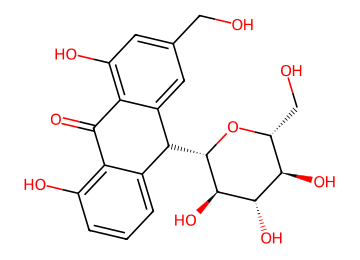
Aloin (barbaloin; aloin A and B)
Anthrone C-glycoside (hydroxyanthracene derivative); PubChem lists aloin A as Barbaloin (10S, CID 12305761) and aloin B (10R, CID 14989)
- Formula
- C21H22O9
- Mol. weight
- 418.4 g/mol
- XLogP3
- -0.1
- TPSA
- 168 Ų
- H-bond donors / acceptors
- 7 / 9
- Rotatable bonds
- 3
Computed properties: PubChem CID 9866696, retrieved 2026-10-29.
Sources, analysis, stability, absorption and safety
Found in
- Aloe barbadensis Mill. and Aloe ferox Mill. (and hybrids) — dried leaf juice (folii succus siccatus) [1]
What research reports
- The EU herbal monograph classes 1,8-dihydroxyanthracene derivatives as contact laxatives (well-established use: short-term use in occasional constipation, not for more than 1 week). Aloins pass to the large intestine, where bacterial enzymes form the active aloe-emodin-9-anthrone; defecation follows after 6–12 h. [1]
How it is identified and measured
- AOAC Official Method 2016.09 (HPLC) determines aloin A, aloin B and aloe-emodin in aloe raw materials and finished products; in an eight-laboratory validation, linearity over 10–500 ppb gave R ≥ 0.999, with LOD at about 10 ppb (S/N ≈ 3) and LOQ at about 20 ppb (S/N ≈ 10). [2]
Standardization
- The EU monograph's well-established-use preparation is a dry extract (DER 1–3:1, water) standardized to 28.6–36.6% hydroxyanthracene derivatives calculated as aloin (photometric method); the herbal material complies with Ph. Eur. monographs 0257 and/or 0258. [1]
Stability
- In whole-leaf Aloe vera gel and its spray-dried and freeze-dried powders, aloin fell by more than 50% during storage at 50 and 70 °C, moderately at 25 and 4 °C; it fell substantially at pH 6.7 but was unaffected at pH 3.5. Oxidative degradation of aloin produced aloe-emodin and some rhein (lab study). [3]
Absorption in people
- Aloinosides, aloins and hydroxyaloins pass directly into the large intestine and are metabolized by bacteria (Eubacterium sp. strain BAR) to aloe-emodin-9-anthrone; the extent of its absorption is not known. In animal experiments at least 20–25% of an oral dose of aloe-emodin was absorbed, but its bioavailability is much lower because it is quickly oxidized to rhein or conjugated (EU monograph, section 5.2). [1]
Safety
- The EU monograph contraindicates use in pregnancy (genotoxic risk data for anthranoids such as emodin and aloe-emodin), in lactation and in children under 12; chronic use may cause pseudomelanosis coli, and hypokalemia from long-term laxative abuse potentiates cardiac glycosides. [1]
- NTP TR-577: a nondecolorized whole leaf extract of Aloe barbadensis in drinking water for 2 years caused cancers of the large intestine in male and female rats and hyperplasia of the large intestine in rats and mice. [4]
- US: FDA's final rule of May 9, 2002 (effective November 5, 2002) states that the stimulant laxative ingredients aloe (including aloe extract and aloe flower extract) and cascara sagrada are not generally recognized as safe and effective or are misbranded as OTC drugs, citing the absence of requested carcinogenicity data. [5]
In the Supplements A–Z guide: Aloe vera
- EMA HMPC. European Union herbal monograph on Aloe barbadensis Mill. and on Aloe (various species, mainly Aloe ferox Mill. and its hybrids), folii succus siccatus (EMA/HMPC/625788/2015), 2016-11-22. ema.europa.eu
- Lee I, et al. Determination of aloin A, aloin B, and aloe-emodin in raw materials and finished products using HPLC: multilaboratory validation study, AOAC 2016.09, Final Action. J AOAC Int 2025;108(3):449-471, 2025-05-01. pubmed.ncbi.nlm.nih.gov
- Sadiq U, Gill H, Chandrapala J. Temperature and pH stability of anthraquinones from native Aloe vera gel, spray-dried and freeze-dried Aloe vera powders during storage. Foods 2022;11(11):1613, 2022-05-30. pubmed.ncbi.nlm.nih.gov
- Boudreau MD, et al. NTP TR-577: Toxicology and carcinogenesis studies of a nondecolorized whole leaf extract of Aloe barbadensis Miller (Aloe vera) in F344/N rats and B6C3F1 mice (drinking water study). 2013, 2013-08. pubmed.ncbi.nlm.nih.gov
- FDA. Status of Certain Additional OTC Drug Category II and III Active Ingredients; Final rule. Federal Register 67 FR, May 9, 2002, 2002-05-09. govinfo.gov
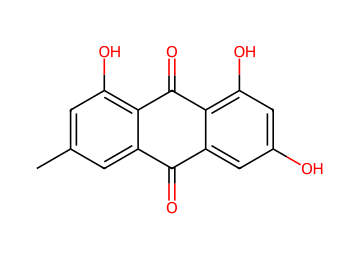
Emodin
Anthraquinone aglycone (hydroxyanthracene derivative)
- Formula
- C15H10O5
- Mol. weight
- 270.24 g/mol
- XLogP3
- 2.7
- TPSA
- 94.8 Ų
- H-bond donors / acceptors
- 3 / 5
- Rotatable bonds
- 0
Computed properties: PubChem CID 3220, retrieved 2026-10-29.
Sources, analysis, stability, absorption and safety
Found in
- Rheum palmatum L. and Rheum officinale Baillon (rhubarb) — root; rhein, emodin and traces of chrysophanol appear in human urine after rhubarb root preparations [1]
- Polygonum cuspidatum (Japanese knotweed) — rhizome and root; emodin is a conventional quality marker with polydatin [2]
- Aloe barbadensis / Aloe ferox — dried leaf juice; the EU monograph calls emodin a major constituent [3]
- Herbal laxative drugs: aloe, senna pods, frangula bark, cascara bark, rhubarb root — aglycone measured among aloe-emodin, rhein, chrysophanol and physcion [4]
What research reports
- Rhubarb root glycosides are converted by large-intestine bacteria into the active metabolite emodin-9-anthrone, a contact-laxative mechanism (EU herbal monograph on rhubarb root). [1]
How it is identified and measured
- A UHPLC method developed with 3D chromatographic modeling (temperature, solvent, gradient time) and peak tracking by UHPLC-QDa MS and UV/Vis quantifies the aglycones aloe-emodin, rhein, emodin, chrysophanol and physcion in five Ph. Eur. herbal laxatives; emodin in Cassia angustifolia fruit did not give a pure UV/Vis spectrum (lab method paper). [4]
- Reversed-phase HPLC with UV detection at 290 nm quantified emodin with rhein, chrysophanol and physcion in Polygonum cuspidatum (validated lab method). [2]
Standardization
- The EU rhubarb root monograph doses preparations as hydroxyanthracene derivatives calculated as rhein; the herbal material complies with Ph. Eur. monograph 0291. [1]
Absorption in people
- After rhubarb root preparations, mainly anthraquinone aglycones are absorbed and converted to glucuronides and sulfates; rhein, emodin and traces of chrysophanol are found in human urine (EU monograph, section 5.2). [1]
Safety
- NTP TR-493 (2-year feed studies): no evidence of carcinogenic activity in male rats or female mice; equivocal evidence in female rats (Zymbal's gland carcinoma) and in male mice (uncommon renal tubule neoplasms). Emodin was mutagenic in Salmonella TA100 with S9 and induced chromosomal aberrations in CHO cells; in vivo micronucleus tests were negative except a weak positive in female mice. [5]
- Studies with emodin revealed effects on estrous cycle length in rats and nephropathy in mice (EU aloe monograph, preclinical safety); EU anthranoid laxative monographs contraindicate use in pregnancy because of genotoxic risk data for anthranoids such as emodin and aloe-emodin. [3]
In the Supplements A–Z guide: Aloe vera · He shou wu
- EMA HMPC. European Union herbal monograph on Rheum palmatum L. and Rheum officinale Baillon, radix (EMA/HMPC/113700/2019), 2020-05-06. ema.europa.eu
- Qian G, et al. Optimization and validation of a chromatographic method for the simultaneous quantification of six bioactive compounds in Rhizoma et Radix Polygoni Cuspidati. J Pharm Pharmacol 2008;60(1):107-13, 2008-01. pubmed.ncbi.nlm.nih.gov
- EMA HMPC. European Union herbal monograph on Aloe barbadensis Mill. and on Aloe (various species, mainly Aloe ferox Mill. and its hybrids), folii succus siccatus (EMA/HMPC/625788/2015), 2016-11-22. ema.europa.eu
- Meier N, et al. In-silico UHPLC method optimization for aglycones in the herbal laxatives Aloe barbadensis Mill., Cassia angustifolia Vahl pods, Rhamnus frangula L. bark, Rhamnus purshianus DC. bark, and Rheum palmatum L. roots. Molecules 2017;22(11):1838, 2017-10-27. pubmed.ncbi.nlm.nih.gov
- National Toxicology Program. TR-493: Toxicology and Carcinogenesis Studies of Emodin (CAS No. 518-82-1) Feed Studies in F344/N Rats and B6C3F1 Mice. 2001, 2001. pubmed.ncbi.nlm.nih.gov
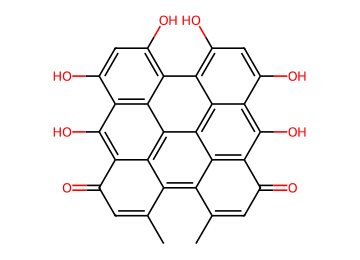
Hypericin
Naphthodianthrone (with pseudohypericin; formed from protohypericin on light exposure)
- Formula
- C30H16O8
- Mol. weight
- 504.4 g/mol
- XLogP3
- 5.7
- TPSA
- 156 Ų
- H-bond donors / acceptors
- 6 / 8
- Rotatable bonds
- 0
Computed properties: PubChem CID 3663, retrieved 2026-10-29.
Sources, analysis, stability, absorption and safety
Found in
- Hypericum perforatum L. (St John's wort) — herb (Hyperici herba) [1]
What research reports
- The EU herbal monograph states that naphthodianthrones (e.g. hypericin, pseudohypericin), phloroglucinol derivatives (e.g. hyperforin) and flavonoids contribute to the activity of Hypericum dry extract, which inhibits synaptosomal uptake of noradrenaline, serotonin and dopamine in lab studies. [1]
How it is identified and measured
- A validated reversed-phase HPLC method (C18; acetonitrile-0.3% phosphoric acid; fluorescence 315/590 nm and UV 273 nm) determines hypericin, pseudohypericin and hyperforin together; intra-day CVs were ≤4.4%, ≤5.4% and ≤2.8% and inter-day CVs ≤5.8%, ≤4.9% and ≤2.5%, respectively (lab method paper). [2]
- St John's wort products are commonly standardized to total naphthodianthrones and hyperforin; an AOAC-published method reports protopseudohypericin and protohypericin (which light converts to pseudohypericin and hypericin) without light exposure, which also protects hyperforin from oxidation. [3]
Standardization
- EU herbal monograph (EMA/HMPC/7695/2021, 23 November 2022): well-established-use extracts should be quantified with respect to hypericin (Ph. Eur. Herbal Drug Extracts 0765), and the amounts of hyperforin and of flavonoids should be declared; herbal substance complies with Ph. Eur. 1438 and preparations with Ph. Eur. 1874. [1]
Stability
- Hypericin and pseudohypericin are photochemically reactive: naturally occurring protohypericin and protopseudohypericin are converted into hypericin and pseudohypericin on exposure to light, and the resulting naphthodianthrone free-radical reactions oxidize hyperforin. [3]
- In dried total extract stored under different temperature, humidity and light conditions, decay was lowest at -20 °C and highest at 40 °C/75% relative humidity; hyperforin, hypericin and pseudohypericin were more stable than the flavonoids at -20 °C at 6 months, and light protection reduced breakdown over 4 months for all measured components except hyperforin (HPLC-DAD, validated method). [4]
Absorption in people
- Hypericin reaches maximum plasma concentration 4–12 h after intake, with an elimination half-life of about 19–36 h (EU herbal monograph, section 5.2). [1]
Safety
- Phototoxicity: after 1800 mg extract per day orally for 15 days, skin sensitivity to UVA increased and the minimum dose for pigmentation was significantly reduced; at the monograph dosage no signs of phototoxicity are reported. Fair-skinned individuals may react with dysesthesia and intensified sunburn-like symptoms under intense sunlight. After massive overdoses, protection from sunlight and UV light for 1–2 weeks is advised. [1]
In the Supplements A–Z guide: St johns wort
- EMA HMPC. European Union herbal monograph on Hypericum perforatum L., herba (EMA/HMPC/7695/2021), 2022-11-23. ema.europa.eu
- de los Reyes GC, Koda RT. Development of a simple, rapid and reproducible HPLC assay for the simultaneous determination of hypericins and stabilized hyperforin in commercial St. John's wort preparations. J Pharm Biomed Anal 2001;26(5-6):959-65, 2001-12. pubmed.ncbi.nlm.nih.gov
- Baugh SF. Simultaneous determination of protopseudohypericin, pseudohypericin, protohypericin, and hypericin without light exposure. J AOAC Int 2005;88(6):1607-12, 2005-11. pubmed.ncbi.nlm.nih.gov
- Koyu H, Haznedaroglu MZ. Investigation of impact of storage conditions on Hypericum perforatum L. dried total extract. J Food Drug Anal 2015;23(3):545-551, 2015-09. pubmed.ncbi.nlm.nih.gov
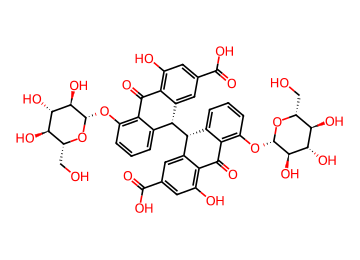
Sennoside A
Dianthrone O-glycoside (sennoside; PubChem record titled Senna, synonym Sennoside A, CAS 81-27-6)
- Formula
- C42H38O20
- Mol. weight
- 862.7 g/mol
- XLogP3
- 1.2
- TPSA
- 348 Ų
- H-bond donors / acceptors
- 12 / 20
- Rotatable bonds
- 9
Computed properties: PubChem CID 73111, retrieved 2026-10-29.
Sources, analysis, stability, absorption and safety
Found in
- Senna alexandrina Mill. (syn. Cassia senna L.; Cassia angustifolia Vahl) — leaf and pods (fruit); sennosides A and B make up about 70% of total anthraquinones; total sennoside A + B was 1.74–2.76% m/m in pods and 1.07–1.19% m/m in leaves of the batches tested [1]
What research reports
- Sennosides are the main active constituents of the dried leaves and/or pods of Senna alexandrina used as laxatives. [2]
- EU herbal monograph (well-established use): short-term use in cases of occasional constipation; not to be used for more than 1 week. [3]
How it is identified and measured
- Ph. Eur. senna monographs use a photometric assay based on the Bornträger reaction (hydroxyanthracene glycosides calculated as sennoside B), described as time-consuming and unspecific. A proposed ICH-validated HPLC method (anion-exchange SPE; C18; acetonitrile-water-phosphoric acid 200:800:1; 40 °C; 380 nm; 10 min run) separates sennosides A and B and rhein-8-O-glucoside. [1]
Standardization
- The EU senna leaf monograph (EMA/HMPC/625849/2015, 25 September 2018) uses standardized preparations dosed as hydroxyanthracene derivatives calculated as sennoside B (photometric method); the herbal material complies with Ph. Eur. monograph 0206. [3]
Stability
- Protected from visible light, sennoside solutions were stable for 14 days at room temperature, but 20–60% was lost after 1 day of light exposure, at up to 2–2.5% per hour; aglycones were not formed. The authors conclude that solutions must be protected from light for reliable analysis and that light protection is a major point for liquid preparations (lab study, UHPLC-UV/Vis-MS). [2]
Absorption in people
- Sennosides are neither absorbed in the upper gut nor split by human digestive enzymes; large-intestine bacteria convert them into the active metabolite rhein anthrone, which oxygen oxidizes to rhein and sennidins found in blood mainly as glucuronides and sulfates. About 90% of sennosides are excreted in feces as polymers, and 3–6% of metabolites in urine. With senna pod powder (20 mg sennosides) for 7 days in humans, blood rhein reached a maximum of 100 ng/mL without accumulation (EU monograph, section 5.2). [3]
Safety
- Senna pods, their extracts and several hydroxyanthracene derivatives (except sennosides, rhein and sennidins) were mutagenic and genotoxic in several in vitro systems, not proven in vivo for senna; long-term carcinogenicity studies with senna pods reported effects on kidneys and colon/cecum. In a 90-day rat study a no-observed-effect level could not be obtained (EU monograph, section 5.3). [3]
- Active metabolites such as rhein pass in small amounts into breast milk; placental passage of rhein was low in animal experiments. [3]
In the Supplements A–Z guide: Senna
- Rosenthal I, Wolfram E, Meier B. An HPLC method to determine sennoside A and sennoside B in Sennae fructus and Sennae folium. Pharmeur Bio Sci Notes 2014;2014:92-102, 2014. pubmed.ncbi.nlm.nih.gov
- Meier N, et al. Photostability of sennosides and their aglycones in solution. Phytochem Anal 2024;35(3):521-529, 2024-04. pubmed.ncbi.nlm.nih.gov
- EMA HMPC. European Union herbal monograph on Senna alexandrina Mill. (Cassia senna L.; Cassia angustifolia Vahl), folium (EMA/HMPC/625849/2015), 2018-09-25. ema.europa.eu
Carotenoids
What they are. Very lipophilic plant and algal pigments, most with 40 carbons: carotenes are hydrocarbons (β-carotene and lycopene, C40H56) and xanthophylls carry oxygen (lutein C40H56O2, astaxanthin C40H52O4; fucoxanthin, C42H58O6, is an epoxide-containing xanthophyll). β-Carotene is a provitamin A carotenoid.
Examples. β-Carotene, lycopene, lutein, astaxanthin, fucoxanthin
How they are measured. Reversed-phase HPLC-DAD on C30 columns separates carotenoids and their cis-isomers; LC-DAD-MS identifies xanthophyll esters; astaxanthin diesters were saponified before HPLC resolution of their isomers.
Handling and absorption. Heat drives both degradation and cis/trans isomerization (lycopene activation energies about 28 kJ/mol for degradation and 52 kJ/mol for isomerization in an oil/tomato emulsion); light, oxygen and pH also degrade them (fucoxanthin, astaxanthin). Absorption is enhanced by fat and depends on the matrix: lycopene AUC was 3.8-fold higher from tomato paste than from fresh tomatoes, and lipid-based formulations raised astaxanthin bioavailability 1.7- to 3.7-fold. NIH ODS gives 10% to 30% absorption of β-carotene from foods.
Sources: PubChem PUG-REST: Title and MolecularFormula for CIDs 5280489, 446925, 5281243, 5281224, 5281239 (retrieved October 29, 2026); Asai A, Yonekura L, Nagao A. Low bioavailability of dietary epoxyxanthophylls in humans. Br J Nutr 2008;100(2):273-7; NIH Office of Dietary Supplements. Vitamin A and Carotenoids: Fact Sheet for Health Professionals (updated March 10, 2025); Strati IF, et al. Carotenoids from foods of plant, animal and marine origin: an efficient HPLC-DAD separation method. Foods 2012;1(1):52-65; Colle IJ, et al. Lycopene degradation and isomerization kinetics during thermal processing of an olive oil/tomato emulsion. J Agric Food Chem 2010;58(24):12784-9; Gärtner C, Stahl W, Sies H. Lycopene is more bioavailable from tomato paste than from fresh tomatoes. Am J Clin Nutr 1997;66(1):116-22; Mercke Odeberg J, et al. Oral bioavailability of astaxanthin in humans is enhanced by incorporation of lipid based formulations. Eur J Pharm Sci 2003;19(4):299-304; Coral-Hinostroza GN, et al. Plasma appearance of unesterified astaxanthin geometrical E/Z and optical R/S isomers in men. Comp Biochem Physiol C 2004;139(1-3):99-110; Zhao D, et al. Effects of temperature, light, and pH on the stability of fucoxanthin in an oil-in-water emulsion. Food Chem 2019;291:87-93; Vakarelova M, et al. Production of stable food-grade microencapsulated astaxanthin by vibrating nozzle technology. Food Chem 2017;221:289-295
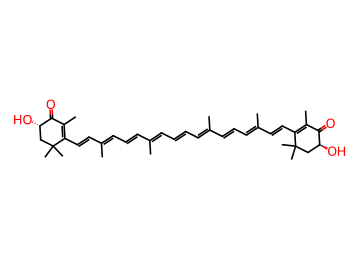
Astaxanthin
Xanthophyll carotenoid; studied in humans as fatty-acyl diesters; has geometric (E/Z) and optical (3R/3S) isomers
- Formula
- C40H52O4
- Mol. weight
- 596.8 g/mol
- XLogP3
- 10.3
- TPSA
- 74.6 Ų
- H-bond donors / acceptors
- 2 / 4
- Rotatable bonds
- 10
Computed properties: PubChem CID 5281224, retrieved 2026-10-29.
Sources, analysis, stability, absorption and safety
Found in
- Haematococcus pluvialis (green microalga) — dried cells; nearly 2% astaxanthin was extracted by high-pressure homogenization in soybean oil [1]
What research reports
- Meta-analysis of randomized controlled human studies: oral astaxanthin improved skin moisture content (SMD 0.53) and elasticity (SMD 0.77) versus placebo, but did not significantly decrease wrinkle depth (SMD -0.26; p = 0.11). [2]
How it is identified and measured
- Geometric (all-E, 9Z, 13Z) and optical ((3R,3'R), meso, (3S,3'S)) isomers of astaxanthin were resolved by HPLC of astaxanthin dicamphanates after saponification of the diesters. [3]
Stability
- Astaxanthin is highly degradable. In pectin-alginate microbeads stored 52 weeks, total astaxanthin retention was 94.1% at +4 °C in the dark with oxygen, 83.1% at room temperature dark without oxygen, 57.0% at room temperature with light and oxygen, and 38.3% at room temperature dark with oxygen; refrigeration was the best storage condition (lab study). [1]
Absorption in people
- In three men given astaxanthin diesters (100 mg astaxanthin equivalents with a meal), esters were not detected in plasma; Cmax 0.28 ± 0.1 mg/L was reached at 11.5 h, elimination half-life was 52 ± 40 h, and the dose response was non-linear (Cmax 0.08 mg/L at 10 mg). (3R,3'R)-astaxanthin and Z-isomers were enriched in plasma relative to the dose. [3]
- In healthy men given a single 40 mg dose, three lipid-based formulations (with polysorbate 80) gave 1.7 to 3.7 times the bioavailability of a commercial reference supplement; elimination half-life was 15.9 ± 5.3 h (n = 32). [4]
Safety
- EFSA (2020) concluded that 8 mg/day astaxanthin from food supplements plus background diet is safe for adults; adolescents aged 14 to <18 reach the ADI of 0.2 mg/kg bw, and the ADI is exceeded in children aged 10 to <14 (by 28%) and in younger age groups (up to 524% in infants aged 4–6 months). [5]
In the Supplements A–Z guide: Astaxanthin
- Vakarelova M, et al. Production of stable food-grade microencapsulated astaxanthin by vibrating nozzle technology. Food Chem 2017;221:289-295, 2017-04-15. pubmed.ncbi.nlm.nih.gov
- Zhou X, et al. Systematic review and meta-analysis on the effects of astaxanthin on human skin aging. Nutrients 2021;13(9):2917, 2021-08-24. pubmed.ncbi.nlm.nih.gov
- Coral-Hinostroza GN, et al. Plasma appearance of unesterified astaxanthin geometrical E/Z and optical R/S isomers in men given single doses of a mixture of optical 3 and 3'R/S isomers of astaxanthin fatty acyl diesters. Comp Biochem Physiol C 2004;139(1-3):99-110, 2004-10. pubmed.ncbi.nlm.nih.gov
- Mercke Odeberg J, et al. Oral bioavailability of the antioxidant astaxanthin in humans is enhanced by incorporation of lipid based formulations. Eur J Pharm Sci 2003;19(4):299-304, 2003-07. pubmed.ncbi.nlm.nih.gov
- EFSA NDA Panel. Safety of astaxanthin for its use as a novel food in food supplements. EFSA Journal 2020;18(2):e05993, 2020-02-05. pubmed.ncbi.nlm.nih.gov
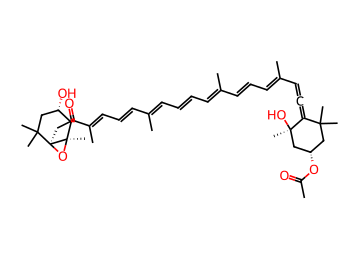
Fucoxanthin
Epoxyxanthophyll (epoxide-containing xanthophyll); its gastrointestinal metabolite is fucoxanthinol
- Formula
- C42H58O6
- Mol. weight
- 658.9 g/mol
- XLogP3
- 8.1
- TPSA
- 96.4 Ų
- H-bond donors / acceptors
- 2 / 6
- Rotatable bonds
- 12
Computed properties: PubChem CID 5281239, retrieved 2026-10-29.
Sources, analysis, stability, absorption and safety
Found in
- Undaria pinnatifida (wakame, brown alga) — edible seaweed; a 1-week dietary intervention supplied 6.1 mg fucoxanthin/day [1]
- Kombu (brown alga) — extract; the dose studied contained 31 mg fucoxanthin [2]
What research reports
- Fucoxanthinol is considered the primary active metabolite of dietary fucoxanthin (pharmacokinetic study authors). [2]
- Fucoxanthin from brown algae has been reported to have antiproliferative effects on several human cancer cell lines in vitro (lab only). [1]
How it is identified and measured
- Fucoxanthinol and other epoxyxanthophyll metabolites in human plasma were determined by HPLC after solid-phase extraction cleanup and concentration. [1]
Stability
- In an oil-in-water emulsion, pH had the greatest influence on fucoxanthin stability, then temperature, then light: degradation was significant at pH 1.2 and retarded at pH 7.4, increased from 25 to 60 °C, and light up to 2000 lx caused sharp degradation of all-trans, 13-cis and 13'-cis forms while promoting 9'-cis isomer formation; total and all-trans fucoxanthin followed first-order kinetics (lab study). [3]
Absorption in people
- After 1 week of wakame (6.1 mg fucoxanthin/day), plasma fucoxanthinol stayed below 1 nmol/L. [1]
- In 18 volunteers given kombu extract with 31 mg fucoxanthin, plasma fucoxanthinol reached Cmax 44.2 nmol/L at 4 h, with a terminal half-life of 7.0 h and AUC(0–∞) of 663.7 nmol/L·h; the hepatic metabolite amarouciaxanthin A was not detected. [2]
In the Supplements A–Z guide: Kelp and seaweed
- Asai A, Yonekura L, Nagao A. Low bioavailability of dietary epoxyxanthophylls in humans. Br J Nutr 2008;100(2):273-7, 2008-08. pubmed.ncbi.nlm.nih.gov
- Hashimoto T, et al. Pharmacokinetics of fucoxanthinol in human plasma after the oral administration of kombu extract. Br J Nutr 2012;107(11):1566-9, 2012-06. pubmed.ncbi.nlm.nih.gov
- Zhao D, et al. Effects of temperature, light, and pH on the stability of fucoxanthin in an oil-in-water emulsion. Food Chem 2019;291:87-93, 2019-09-01. pubmed.ncbi.nlm.nih.gov
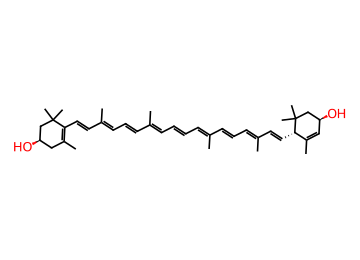
Lutein
Xanthophyll carotenoid; in marigold petals present mainly as lutein diesters
- Formula
- C40H56O2
- Mol. weight
- 568.9 g/mol
- XLogP3
- 11
- TPSA
- 40.5 Ų
- H-bond donors / acceptors
- 2 / 2
- Rotatable bonds
- 10
Computed properties: PubChem CID 5281243, retrieved 2026-10-29.
Sources, analysis, stability, absorption and safety
Found in
- Tagetes spp. (marigold) — flower petals, the main source of lutein esters for natural lutein production; total carotenoids ranged from 25.62 to 2723.11 µg/g fresh weight across ten cultivars, with lutein-3-O-myristate-3'-O-palmitate and lutein dipalmitate predominant [1]
- Tomato — processing waste; all-trans and 13-cis lutein present [2]
What research reports
- Human trial: AREDS2 (4203 participants, median 5 years) found that adding lutein (10 mg) + zeaxanthin (2 mg) to the AREDS formulation gave no statistically significant reduction in progression to advanced age-related macular degeneration in the primary analysis (HR 0.90; 98.7% CI 0.76–1.07); because of more lung cancers with β-carotene in former smokers, the investigators concluded lutein + zeaxanthin could be an appropriate carotenoid substitute. [3]
How it is identified and measured
- Lutein diesters in marigold petals were identified and quantified by LC-DAD-MS (lab study). [1]
- Carotenoids and their cis-isomers are separated by reversed-phase HPLC-DAD on a C30 column; a modified gradient cut elution time from 60 to 45 min without loss of separation, across tomato waste, prawn and egg-yolk matrices (lab method paper). [2]
Absorption in people
- In 18 healthy subjects (single doses of 0.5 or 0.67 µmol lutein/kg, crossover), a lutein diester formulation was 61.6% more bioavailable (serum AUC) than an unesterified lutein formulation; the authors concluded that formulation dissolution is a greater limitation than ester hydrolysis. [4]
- Saini RK, et al. Quantitative profiling of carotenoids, tocopherols, phytosterols, and fatty acids in the flower petals of ten marigold (Tagetes spp. L.) cultivars. Foods 2023;12(19):3549, 2023-09-24. pubmed.ncbi.nlm.nih.gov
- Strati IF, et al. Carotenoids from foods of plant, animal and marine origin: an efficient HPLC-DAD separation method. Foods 2012;1(1):52-65, 2012-12-19. pubmed.ncbi.nlm.nih.gov
- AREDS2 Research Group. Lutein + zeaxanthin and omega-3 fatty acids for age-related macular degeneration: the AREDS2 randomized clinical trial. JAMA 2013;309(19):2005-15, 2013-05-15. pubmed.ncbi.nlm.nih.gov
- Bowen PE, et al. Esterification does not impair lutein bioavailability in humans. J Nutr 2002;132(12):3668-73, 2002-12. pubmed.ncbi.nlm.nih.gov
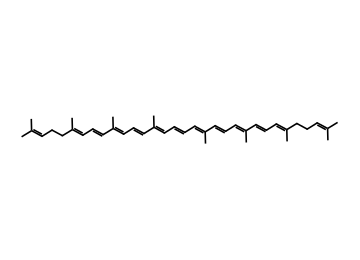
Lycopene
Carotene (C40 hydrocarbon carotenoid)
- Formula
- C40H56
- Mol. weight
- 536.9 g/mol
- XLogP3
- 15.6
- TPSA
- 0 Ų
- H-bond donors / acceptors
- 0 / 0
- Rotatable bonds
- 16
Computed properties: PubChem CID 446925, retrieved 2026-10-29.
Sources, analysis, stability, absorption and safety
Found in
- Tomatoes and tomato products, watermelon, guava, rose hips and pink grapefruit — fruit [1]
- Tomato — processing waste; all-trans lycopene predominated [2]
What research reports
- Human research summary (MSK, May 2022): small trials suggest possible benefit in exercise-induced asthma; MSK describes clinical data on lycopene supplementation and prostate cancer risk as inconclusive, and notes other studies indicating that lycopene or tomato-based regimens had no protective effect against prostate cancer. No optimal dosage has been established. [1]
How it is identified and measured
- Carotenoids and their cis-isomers are separated by reversed-phase HPLC-DAD on a C30 column; a modified gradient cut elution time from 60 to 45 min without loss of separation, across tomato waste, prawn and egg-yolk matrices (lab method paper). [2]
Standardization
- MSK reports quality problems in supplements, with lycopene content differing from the label by up to 43%. [1]
Stability
- In an olive oil/tomato emulsion heated at 80–140 °C, total lycopene degraded quickly above 100 °C before reaching a temperature-dependent plateau, and all-E, 5-Z, 9-Z and 13-Z isomers reached a temperature-dependent equilibrium; activation energies were about 28 kJ/mol for degradation and 52 kJ/mol for isomerization (lab study). [3]
Absorption in people
- With 23 mg lycopene taken with 15 g corn oil, tomato paste gave 2.5-fold higher peak total and all-trans lycopene concentrations and 3.8-fold higher AUC in the chylomicron fraction than fresh tomatoes, although the isomer pattern of the two foods was the same. [4]
Safety
- Lycopenemia, a deep orange skin discoloration, has been reported after large amounts of lycopene-rich tomato products; one study linked high doses of lycopene, green tea catechins and selenium to higher prostate cancer incidence (MSK). [1]
- Memorial Sloan Kettering Cancer Center. About Herbs: Lycopene (last updated May 6, 2022), 2022-05-06. mskcc.org
- Strati IF, et al. Carotenoids from foods of plant, animal and marine origin: an efficient HPLC-DAD separation method. Foods 2012;1(1):52-65, 2012-12-19. pubmed.ncbi.nlm.nih.gov
- Colle IJ, et al. Lycopene degradation and isomerization kinetics during thermal processing of an olive oil/tomato emulsion. J Agric Food Chem 2010;58(24):12784-9, 2010-12-22. pubmed.ncbi.nlm.nih.gov
- Gärtner C, Stahl W, Sies H. Lycopene is more bioavailable from tomato paste than from fresh tomatoes. Am J Clin Nutr 1997;66(1):116-22, 1997-07. pubmed.ncbi.nlm.nih.gov
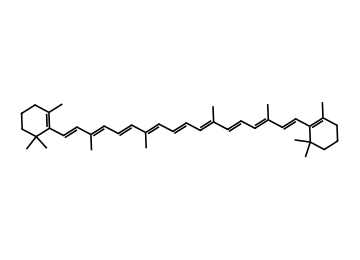
β-Carotene
Carotene (C40 hydrocarbon carotenoid); provitamin A carotenoid
- Formula
- C40H56
- Mol. weight
- 536.9 g/mol
- XLogP3
- 13.5
- TPSA
- 0 Ų
- H-bond donors / acceptors
- 0 / 0
- Rotatable bonds
- 10
Computed properties: PubChem CID 5280489, retrieved 2026-10-29.
Sources, analysis, stability, absorption and safety
Found in
- Leafy green vegetables and orange and yellow vegetables (also fruits, tomato products and some vegetable oils) — main sources of dietary provitamin A in the US diet [1]
- Tomato — processing waste; all-trans-β-carotene second after all-trans-lycopene, with minor 13-cis and 9-cis isomers [2]
What research reports
- β-Carotene is a provitamin A carotenoid that the body converts to vitamin A in the intestine. 1 µg retinol activity equivalent (RAE) equals 2 µg supplemental β-carotene or 12 µg dietary β-carotene (NIH ODS). [1]
- Human trial: in AREDS2 (4203 participants), eliminating β-carotene from the AREDS formulation had no apparent effect on progression to advanced age-related macular degeneration. [3]
- NIH ODS states that the AREDS2 follow-up confirmed the benefit of replacing β-carotene with lutein and zeaxanthin. [1]
How it is identified and measured
- Carotenoids and their cis-isomers are separated by reversed-phase HPLC-DAD on a C30 column; a modified gradient cut elution time from 60 to 45 min without loss of separation, across tomato waste, prawn and egg-yolk matrices (lab method paper). [2]
Stability
- Heat induces both degradation and cis/trans isomerization of β-carotene and lycopene; a review of the kinetic literature describes single-response and multi-response models for these simultaneous reactions during thermal processing. [4]
Absorption in people
- NIH ODS: the body might absorb, in most cases, 10% to 30% of β-carotene from foods (versus up to 75% to 100% of retinol); absorption of β-carotene from supplements ranges from 8.7% to 65%. [1]
Safety
- In the ATBC trial, 20 mg/day β-carotene for 5–8 years increased lung cancer risk by 18%; CARET (30 mg β-carotene plus 25,000 IU retinyl palmitate, in smokers, former smokers and asbestos-exposed men) ended early partly because lung cancer risk rose 28%. The FNB has not set a UL for β-carotene; the most common effect of long-term excess is carotenodermia, which reverses when intake stops (NIH ODS). [1]
- AREDS2: more lung cancers were noted in the β-carotene than the no-β-carotene group (23 [2.0%] vs 11 [0.9%], nominal P = .04), mostly in former smokers. [3]
In the Supplements A–Z guide: Vitamin a · Multivitamin mineral · Dunaliella
- NIH Office of Dietary Supplements. Vitamin A and Carotenoids: Fact Sheet for Health Professionals (updated March 10, 2025), 2025-03-10. ods.od.nih.gov
- Strati IF, et al. Carotenoids from foods of plant, animal and marine origin: an efficient HPLC-DAD separation method. Foods 2012;1(1):52-65, 2012-12-19. pubmed.ncbi.nlm.nih.gov
- AREDS2 Research Group. Lutein + zeaxanthin and omega-3 fatty acids for age-related macular degeneration: the AREDS2 randomized clinical trial. JAMA 2013;309(19):2005-15, 2013-05-15. pubmed.ncbi.nlm.nih.gov
- Colle IJ, et al. Carotene degradation and isomerization during thermal processing: a review on the kinetic aspects. Crit Rev Food Sci Nutr 2016;56(11):1844-55, 2016-08-17. pubmed.ncbi.nlm.nih.gov
Organosulfur compounds and glucosinolates
What they are. Sulfur-containing precursors stored intact in the plant and converted by a plant enzyme when tissue is damaged: garlic cysteine sulfoxides (alliin) become thiosulfinates (allicin) through alliinase; glucosinolates (thioglucosides, e.g. glucoraphanin) become isothiocyanates (e.g. sulforaphane) through myrosinase.
Examples. Alliin, allicin, glucoraphanin, sulforaphane
How they are measured. Ion-pair HPLC for garlic sulfur compounds; dissolution testing (USP 724A) for allicin release from tablets; isothiocyanates by HPLC after cyclocondensation with 1,2-benzenedithiol or by LC-MS/MS of mercapturic-acid metabolites.
Handling and absorption. Both enzymes are heat-sensitive, so cooking lowers delivery: urinary isothiocyanates were 32.3% of intake from fresh versus 10.2% from steamed broccoli. The products are themselves unstable: allicin degrades quickly above 40 °C and outside pH 5–6, and sulforaphane degrades by base catalysis with strong temperature dependence.
Sources: EMA HMPC. Assessment report on Allium sativum L., bulbus (EMA/HMPC/7686/2013, 18 July 2017); Abdel-Massih RM, et al. Glucosinolates, a natural chemical arsenal: more to tell than the myrosinase story. Front Microbiol 2023;14:1130208 (PMID 37089539); Lawson LD, Wang ZJ. Low allicin release from garlic supplements: a major problem due to the sensitivities of alliinase activity. J Agric Food Chem 2001;49(5):2592-9 (PMID 11368641); Conaway CC, et al. Disposition of glucosinolates and sulforaphane in humans after ingestion of steamed and fresh broccoli. Nutr Cancer 2000;38(2):168-78 (PMID 11525594); Wang H, et al. Influence of pH, concentration and light on stability of allicin in garlic (Allium sativum L.) aqueous extract as measured by UPLC. J Sci Food Agric 2015;95(9):1838-44 (PMID 25205359); Franklin SJ, et al. Stability of sulforaphane for topical formulation. Drug Dev Ind Pharm 2014;40(4):494-502 (PMID 23611476); Arnault I, et al. Analytical method for appreciation of garlic therapeutic potential and for validation of a new formulation. J Pharm Biomed Anal 2005;37(5):963-70 (PMID 15862674); Platz S, et al. Bioavailability and biotransformation of sulforaphane and erucin metabolites in different biological matrices determined by LC-MS-MS. Anal Bioanal Chem 2015;407(7):1819-29 (PMID 25650001)
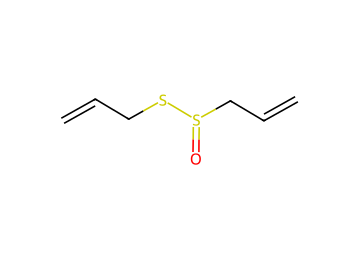
Allicin
Thiosulfinate (diallyl thiosulfinate), formed from alliin by alliinase
- Formula
- C6H10OS2
- Mol. weight
- 162.3 g/mol
- XLogP3
- 1.3
- TPSA
- 61.6 Ų
- H-bond donors / acceptors
- 0 / 3
- Rotatable bonds
- 5
Computed properties: PubChem CID 65036, retrieved 2026-10-29.
Sources, analysis, stability, absorption and safety
Found in
- Allium sativum L. (garlic) — bulb (clove); formed only when tissue is crushed, chewed or finely chopped [1]
What research reports
- Laboratory: of 16 sulfur compounds and adenosine tested, the thiosulfinates, particularly allicin, and diallyl trisulfide accounted for most in vitro inhibition of platelet aggregation in whole blood; because no allicin was detected in plasma or urine of volunteers eating 25 g raw garlic, diallyl trisulfide was considered the more important compound in vivo (Lawson et al. 1992, as summarized by EMA). [1]
- NCCIH (February 2025), about garlic supplements: they may reduce total and LDL cholesterol, blood pressure and blood sugar to a small extent in people with elevated values. [2]
How it is identified and measured
- Ion-pair HPLC method quantifying alliin, allicin, diallyl disulfide, S-allylcysteine and storage dipeptides simultaneously in garlic powders and tablets; screening 11 marketed tablets showed variable content and differential instability of each compound. [5]
- USP dissolution method 724A was used to measure allicin release from enteric-coated garlic tablets, and was validated against breath allyl methyl sulfide in vivo. [4]
Standardization
- European Pharmacopoeia: garlic powder contains not less than 0.45% allicin (dry drug); 1 mg alliin is considered equivalent to 0.45 mg allicin (as cited by EMA). [1]
- Nearly all 24 enteric-coated tablet brands met their allicin-potential claims when crushed in water, but 83% released less than 15% of that potential under USP dissolution conditions, because of impaired alliinase activity (mostly from excipients) and slow disintegration; the authors recommend standardizing on dissolution allicin release. [4]
Stability
- In aqueous garlic extract, allicin was most stable at pH 5–6, became undetectable within 2 h above pH 11 or below pH 1.5, degraded quickly above 40 °C and especially above 70 °C, kept 5 days at room temperature without obvious loss, and was not light-sensitive. [6]
- Boiling crushed garlic in an open container causes complete loss of the volatile, chemically unstable thiosulfinates by evaporation and conversion to diallyl trisulfide and other dialkyl sulfides (Lawson 1992, as summarized by EMA). [1]
Absorption in people
- Thirteen subjects, breath allyl methyl sulfide AUC versus homogenized raw garlic (100%): enteric tablets gave 36–104% allicin bioequivalence (22–57% with a high-protein meal), non-enteric tablets 80–111%, garlic powder capsules 26–109%; boiled, roasted and pickled garlic gave 16%, 30% and 19%, black garlic 5%. [3]
Safety
- NCCIH: oral garlic has been used safely in studies lasting up to 7 years; side effects include breath and body odor, abdominal pain, flatulence and nausea, and garlic supplements may increase bleeding risk, notably with anticoagulants. Fresh raw garlic applied to skin can cause severe irritation and chemical burns. [2]
In the Supplements A–Z guide: Garlic
- EMA HMPC. Assessment report on Allium sativum L., bulbus (EMA/HMPC/7686/2013, 18 July 2017), 2017-07-18. ema.europa.eu
- NCCIH. Garlic: Usefulness and Safety (last updated February 2025), 2025-02. nccih.nih.gov
- Lawson LD, Hunsaker SM. Allicin bioavailability and bioequivalence from garlic supplements and garlic foods. Nutrients 2018;10(7):812 (PMID 29937536), 2018-06-24. pubmed.ncbi.nlm.nih.gov
- Lawson LD, Wang ZJ. Low allicin release from garlic supplements: a major problem due to the sensitivities of alliinase activity. J Agric Food Chem 2001;49(5):2592-9 (PMID 11368641), 2001-05. pubmed.ncbi.nlm.nih.gov
- Arnault I, et al. Analytical method for appreciation of garlic therapeutic potential and for validation of a new formulation. J Pharm Biomed Anal 2005;37(5):963-70 (PMID 15862674), 2005-04-29. pubmed.ncbi.nlm.nih.gov
- Wang H, et al. Influence of pH, concentration and light on stability of allicin in garlic (Allium sativum L.) aqueous extract as measured by UPLC. J Sci Food Agric 2015;95(9):1838-44 (PMID 25205359), 2015-07. pubmed.ncbi.nlm.nih.gov
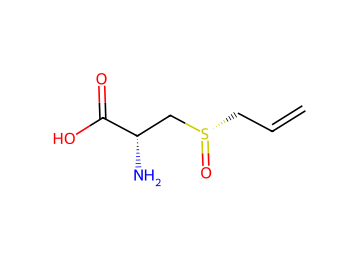
Alliin (S-allyl-L-cysteine sulfoxide)
S-alk(en)yl-L-cysteine sulfoxide (sulfur amino-acid derivative)
- Formula
- C6H11NO3S
- Mol. weight
- 177.22 g/mol
- XLogP3
- -3.5
- TPSA
- 99.6 Ų
- H-bond donors / acceptors
- 2 / 5
- Rotatable bonds
- 5
Computed properties: PubChem CID 9576089, retrieved 2026-10-29.
Sources, analysis, stability, absorption and safety
Found in
- Allium sativum L. (garlic) — bulb (whole cloves contain alliin and alliinase but no thiosulfinates) [1]
What research reports
- Alliin is the precursor of allicin: crushing, chewing or finely chopping garlic converts the cysteine sulfoxides immediately and completely to thiosulfinates through the enzyme alliinase; cooking whole cloves destroys alliinase while retaining the cysteine sulfoxides (EMA, citing Lawson 1992). [1]
How it is identified and measured
- Ion-pair HPLC method quantifying alliin together with allicin, diallyl disulfide, S-allylcysteine and storage dipeptides in garlic powders and tablets. [2]
Standardization
- 1 mg alliin is considered equivalent to 0.45 mg allicin (as cited by EMA); for dried powdered garlic, the HMPC considers alliin or allicin (depending on heat treatment and process) usable as active markers. [1]
Absorption in people
- Cooked or acidified garlic foods without alliinase activity still gave allicin-equivalent breath allyl methyl sulfide of 16–66% of raw garlic; results with an alliin-free, allicin-free extract pointed to a partial role for metabolism of γ-glutamyl-S-allylcysteine and S-allylcysteine. [3]
In the Supplements A–Z guide: Garlic
- EMA HMPC. Assessment report on Allium sativum L., bulbus (EMA/HMPC/7686/2013, 18 July 2017), 2017-07-18. ema.europa.eu
- Arnault I, et al. Analytical method for appreciation of garlic therapeutic potential and for validation of a new formulation. J Pharm Biomed Anal 2005;37(5):963-70 (PMID 15862674), 2005-04-29. pubmed.ncbi.nlm.nih.gov
- Lawson LD, Hunsaker SM. Allicin bioavailability and bioequivalence from garlic supplements and garlic foods. Nutrients 2018;10(7):812 (PMID 29937536), 2018-06-24. pubmed.ncbi.nlm.nih.gov
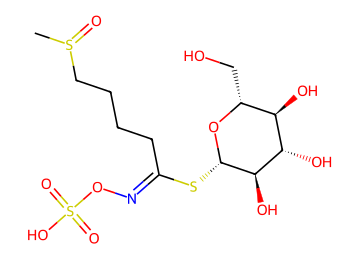
Glucoraphanin
Aliphatic glucosinolate (thiohydroximate glucoside; precursor of sulforaphane)
- Formula
- C12H23NO10S3
- Mol. weight
- 437.5 g/mol
- XLogP3
- -2.1
- TPSA
- 236 Ų
- H-bond donors / acceptors
- 5 / 13
- Rotatable bonds
- 10
Computed properties: PubChem CID 9548634, retrieved 2026-10-29.
Sources, analysis, stability, absorption and safety
Found in
- Broccoli sprouts — sprouts (principal glucosinolate of the sprout extracts studied) [2]
What research reports
- Broccoli sprout extracts are used in clinical trials to deliver glucoraphanin, the glucosinolate precursor of the isothiocyanate sulforaphane. [2]
- Glucosinolates are hydrolyzed to their isothiocyanates by the plant enzyme myrosinase, which is inactivated by heat. [1]
How it is identified and measured
- Glucosinolate content was measured as isothiocyanate equivalents after hydrolysis with myrosinase, by HPLC of the 1,2-benzenedithiol cyclocondensation product. [1]
Absorption in people
- With myrosinase-inactivated (steamed) broccoli, 24 h urinary isothiocyanate equivalents were 10.2 ± 5.9% of intake, versus 32.3 ± 12.7% for fresh broccoli (12 men). [1]
- Glucosinolate-rich sprout extracts (25 or 100 µmol per dose) gave 17.8–19.6% cumulative dithiocarbamate excretion, against 70.6% for the isothiocyanate extract. [2]
Safety
- No significant or consistent toxicities were observed in a placebo-controlled phase I study of glucosinolate and isothiocyanate sprout extracts given for 7 days to healthy volunteers. [2]
- Conaway CC, et al. Disposition of glucosinolates and sulforaphane in humans after ingestion of steamed and fresh broccoli. Nutr Cancer 2000;38(2):168-78 (PMID 11525594), 2000. pubmed.ncbi.nlm.nih.gov
- Shapiro TA, et al. Safety, tolerance, and metabolism of broccoli sprout glucosinolates and isothiocyanates: a clinical phase I study. Nutr Cancer 2006;55(1):53-62 (PMID 16965241), 2006. pubmed.ncbi.nlm.nih.gov
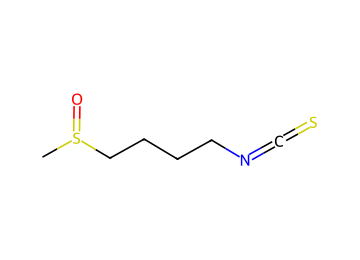
Sulforaphane
Isothiocyanate (sulfinyl alkyl isothiocyanate), hydrolysis product of glucoraphanin
- Formula
- C6H11NOS2
- Mol. weight
- 177.3 g/mol
- XLogP3
- 1.4
- TPSA
- 80.7 Ų
- H-bond donors / acceptors
- 0 / 4
- Rotatable bonds
- 5
Computed properties: PubChem CID 5350, retrieved 2026-10-29.
Sources, analysis, stability, absorption and safety
Found in
- Broccoli (Brassica oleracea) — vegetable (fresh or steamed); its glucosinolates are hydrolyzed by myrosinase to isothiocyanates, and the sulforaphane N-acetylcysteine conjugate was a major urinary metabolite [1]
- Broccoli sprouts — sprout extracts, principally the glucosinolate glucoraphanin (sulforaphane precursor) or sulforaphane itself [2]
What research reports
- Sulforaphane is formed from glucoraphanin by the enzyme myrosinase; the review describes laboratory and animal anti-oxidant, anti-inflammatory and anti-cancer effects (not human outcomes). [3]
- Human study: healthy subjects eating fresh broccoli sprouts had higher, earlier peak urinary sulforaphane and erucin metabolites than those taking a myrosinase-free broccoli supplement of equal glucosinolate content, and lower histone deacetylase activity in blood mononuclear cells was seen only with sprouts. [4]
How it is identified and measured
- Total isothiocyanate equivalents in food, plasma and urine assayed by HPLC as the cyclocondensation product with 1,2-benzenedithiol. [1]
- Fully validated LC-MS/MS method for sulforaphane and erucin mercapturic-acid-pathway metabolites in plasma, urine, tissues and cell lysates; LOD 1–25 nmol/L, mean recovery 99%. [5]
Stability
- Sulforaphane degradation followed apparent first-order kinetics, was base-catalyzed, depended on buffer and solvent, and changed by a factor of about 3.1 per 10 °C (pH 4.0); it degraded completely within 30 days in a conventional cream but was more stable in non-aqueous bases. [6]
- In broccoli juice, sulforaphane and phenylethyl isothiocyanate were relatively thermolabile (60–90 °C) but pressure-stable, with first-order degradation under combined high pressure and temperature. [7]
- Myrosinase is inactivated by heat; fresh and steamed broccoli contained virtually identical isothiocyanate once hydrolyzed with added myrosinase (1.1 vs 1.0 µmol/g). [1]
Absorption in people
- Twelve men, 200 g broccoli (crossover): 24 h urinary isothiocyanate equivalents were 32.3 ± 12.7% of intake for fresh and 10.2 ± 5.9% for steamed broccoli, about 40% of it as the N-acetylcysteine conjugate of sulforaphane. [1]
- Phase I study of broccoli sprout extracts: cumulative dithiocarbamate excretion was 17.8–19.6% of dose with glucosinolate (mainly glucoraphanin) extracts and 70.6 ± 2.0% with isothiocyanate (mainly sulforaphane) extract. [2]
Safety
- Placebo-controlled phase I study in healthy in-patients (21 doses over 7 days of 25 or 100 µmol glucosinolate or 25 µmol isothiocyanate): no significant or consistent abnormal events in 32 hematology and chemistry tests, including liver transaminases and thyroid function. [2]
- Conaway CC, et al. Disposition of glucosinolates and sulforaphane in humans after ingestion of steamed and fresh broccoli. Nutr Cancer 2000;38(2):168-78 (PMID 11525594), 2000. pubmed.ncbi.nlm.nih.gov
- Shapiro TA, et al. Safety, tolerance, and metabolism of broccoli sprout glucosinolates and isothiocyanates: a clinical phase I study. Nutr Cancer 2006;55(1):53-62 (PMID 16965241), 2006. pubmed.ncbi.nlm.nih.gov
- Men X, et al. Plant sources, extraction techniques, analytical methods, bioactivity, and bioavailability of sulforaphane: a review. Food Sci Biotechnol 2024;33(3):539-556 (PMID 38274178), 2024-02. pubmed.ncbi.nlm.nih.gov
- Clarke JD, et al. Comparison of isothiocyanate metabolite levels and histone deacetylase activity in human subjects consuming broccoli sprouts or broccoli supplement. J Agric Food Chem 2011;59(20):10955-63 (PMID 21928849), 2011-10-26. pubmed.ncbi.nlm.nih.gov
- Platz S, et al. Bioavailability and biotransformation of sulforaphane and erucin metabolites in different biological matrices determined by LC-MS-MS. Anal Bioanal Chem 2015;407(7):1819-29 (PMID 25650001), 2015-03. pubmed.ncbi.nlm.nih.gov
- Franklin SJ, et al. Stability of sulforaphane for topical formulation. Drug Dev Ind Pharm 2014;40(4):494-502 (PMID 23611476), 2014-04. pubmed.ncbi.nlm.nih.gov
- Van Eylen D, et al. Kinetics of the stability of broccoli (Brassica oleracea cv. Italica) myrosinase and isothiocyanates in broccoli juice during pressure/temperature treatments. J Agric Food Chem 2007;55(6):2163-70 (PMID 17305356), 2007-03-21. pubmed.ncbi.nlm.nih.gov
Polysaccharides
What they are. High-molecular-weight carbohydrate polymers without a single defined structure (no single PubChem CID): cereal mixed-linkage (1→3),(1→4)-β-D-glucans, fungal (1→3)-β-D-glucans and fucoidan, a sulfated polysaccharide (sulfated α-L-fucan) of brown-seaweed cell walls.
Examples. β-Glucans (oat, barley, mushroom), fucoidan
How they are measured. Enzymatic assays (McCleary lichenase/β-glucosidase method, AOAC; 21 CFR 101.81 cites AOAC 992.28) for cereal β-glucan; binding-protein immunoassays and dye-binding (aniline blue) assays for (1→3)-β-glucans; antibody ELISA and methylene-blue dye methods for fucoidan. Antibody and dye methods can be species- or structure-selective.
Handling and absorption. Effects of cereal β-glucan depend on molecular weight and solubility: in one trial, LDL lowering was not significant with low-molecular-weight (210,000 g/mol) oat β-glucan. Fucoidan was long believed to be hardly absorbed because of its size, but small amounts were detected in urine after eating mozuku.
Sources: Zygmunt LC, Paisley SD. Enzymatic method for determination of (1→3)(1→4)-β-D-glucans in grains and cereals: collaborative study. J AOAC Int 1993;76(5):1069-82; Kanno T, et al. Quantification of β-glucan from culinary-medicinal mushrooms using novel artificial β-glucan recognition protein. Int J Med Mushrooms 2020;22(3):269-276; Memorial Sloan Kettering Cancer Center. About Herbs: Fucoidan (last updated May 14, 2026); eCFR. 21 CFR 101.81 Health claims: Soluble fiber from certain foods and risk of coronary heart disease (CHD) (up to date as of August 6, 2026); Ko YT, Lin YL. 1,3-beta-glucan quantification by a fluorescence microassay and analysis of its distribution in foods. J Agric Food Chem 2004;52(11):3313-8; Mizuno M, et al. Quantification and localization of fucoidan in Laminaria japonica using a novel antibody. Biosci Biotechnol Biochem 2009;73(2):335-8; Lee JM, et al. Solid-phase colorimetric method for the quantification of fucoidan. Appl Biochem Biotechnol 2012;168(5):1019-24; Wolever TM, et al. Physicochemical properties of oat β-glucan influence its ability to reduce serum LDL cholesterol in humans. Am J Clin Nutr 2010;92(4):723-32; Tokita Y, et al. Detection of fucoidan in urine after oral intake of Okinawa mozuku (Cladosiphon okamuranus Tokida). J Nutr Sci Vitaminol 2017;63(6):419-421
Fucoidan
Sulfated polysaccharide (sulfated α-L-fucan) of brown-seaweed cell walls; structurally variable polymer with no single PubChem CID
A polymer of variable size: it has no single structure or PubChem compound record.
Sources, analysis, stability, absorption and safety
Found in
- Brown seaweeds (many species) — cell walls [1]
- Laminaria japonica (makombu) — thallus; fucoidan localized to the outer cortical layer [2]
- Cladosiphon okamuranus (Okinawa mozuku) — whole seaweed eaten as food; described as especially rich in fucoidan [3]
What research reports
- Human research summary (MSK, May 2026): in humans, dietary fucoidan modulated platelet aggregation via antithrombotic effects; in overweight or obese adults, fucoidan over 3 months decreased diastolic blood pressure and LDL cholesterol. [1]
How it is identified and measured
- An ELISA inhibition assay with a monoclonal anti-fucoidan antibody measured fucoidan from Laminaria japonica and Kjellmaniella; the antibody did not react with Undaria pinnatifida polysaccharides, laminarin or alginic acid, showing that antibody methods can be species-specific (lab method paper). [2]
- A solid-phase colorimetric method stains sulfated polysaccharides with methylene blue on filter paper (A663) and determines 1–20 µg fucoidan in the presence of alginic acid, DNA, salts, proteins and detergents (lab method paper). [4]
Absorption in people
- Fucoidan has a high molecular weight and was long believed to be hardly absorbed; after oral intake of Okinawa mozuku, urinary fucoidan was detected in several volunteers, and the authors previously reported fucoidan in serum and urine after purified fucoidan in humans and rats. [3]
Safety
- MSK lists diarrhea, which improved immediately after stopping fucoidan, as a reported adverse reaction, and advises that because of antithrombotic effects fucoidan may increase bleeding risk with anticoagulants such as warfarin and heparin. [1]
In the Supplements A–Z guide: Fucoidan · Kelp and seaweed
- Memorial Sloan Kettering Cancer Center. About Herbs: Fucoidan (last updated May 14, 2026), 2026-05-14. mskcc.org
- Mizuno M, et al. Quantification and localization of fucoidan in Laminaria japonica using a novel antibody. Biosci Biotechnol Biochem 2009;73(2):335-8, 2009-02. pubmed.ncbi.nlm.nih.gov
- Tokita Y, et al. Detection of fucoidan in urine after oral intake of traditional Japanese seaweed, Okinawa mozuku (Cladosiphon okamuranus Tokida). J Nutr Sci Vitaminol 2017;63(6):419-421, 2017. pubmed.ncbi.nlm.nih.gov
- Lee JM, et al. Solid-phase colorimetric method for the quantification of fucoidan. Appl Biochem Biotechnol 2012;168(5):1019-24, 2012-11. pubmed.ncbi.nlm.nih.gov
β-Glucans (cereal and fungal)
Glucose polymers with β-glycosidic links: mixed-linkage (1→3),(1→4)-β-D-glucans in oat and barley; (1→3)-β-D-glucans in mushrooms and yeast. No single PubChem CID (polymers).
A polymer of variable size: it has no single structure or PubChem compound record.
Sources, analysis, stability, absorption and safety
Found in
- Oats (oat bran, rolled oats, whole oat flour) and whole grain barley — grain; FDA's health-claim rule requires at least 5.5% (dry weight) β-glucan soluble fiber for oat bran and at least 4% for rolled oats, whole oat flour and whole grain barley [1]
- Lentinus edodes (shiitake), Grifola frondosa (maitake), Pleurotus ostreatus and other edible mushrooms — fruit body; (1→3)-β-D-glucans extracted with hot water and alkali [2]
What research reports
- US: FDA authorizes a health claim on soluble fiber from certain foods and risk of coronary heart disease (21 CFR 101.81), based on 3 g or more per day of β-glucan soluble fiber from whole oats or barley, with at least 0.75 g per reference serving. [1]
- Meta-analysis of 58 randomized controlled trials (n = 3974): a median 3.5 g/day of oat β-glucan lowered LDL-cholesterol by 0.19 mmol/L (95% CI -0.23 to -0.14), with considerable unexplained heterogeneity (I² = 79%). [3]
- Human trial (n = 345 completers, 4 weeks): 3 g/day high-MW (2,210,000 g/mol) or medium-MW (530,000 g/mol) oat β-glucan lowered LDL cholesterol by about 0.2 mmol/L (5%) versus wheat fiber, but 4 g/day of low-MW (210,000 g/mol) β-glucan had no significant effect; log(MW × solubilized concentration) was a significant determinant, consistent with viscosity in the intestine. [4]
- Mushroom (1→3)-β-D-glucans exhibit an immunostimulatory effect (lab research statement). [2]
How it is identified and measured
- Cereal mixed-linkage β-glucans are measured by the McCleary enzymatic method (lichenase then β-glucosidase digestion), adopted by AOAC for oat and barley fractions and ready-to-eat cereals; in collaborative study of 20 samples, RSDR averaged 9.7% and RSDr 5.0%. 21 CFR 101.81 specifies AOAC method 992.28 for β-glucan soluble fiber. [5]
- Mushroom (1→3)-β-D-glucans have been quantified by an enzyme immunoassay using a recombinant β-glucan recognition protein (supBGRP), which did not react with barley glucan, dextran, mannan, pustulan or xylan and was most reactive to lentinan (lab method paper). [2]
- An aniline blue fluorescence microassay (curdlan standard) measures (1→3)-β-glucan in food fractions but responds differently to different glucans: pachyman and yeast glucan gave much stronger signals than laminarin and barley glucan (lab method paper). [6]
Standardization
- 21 CFR 101.81 sets minimum β-glucan soluble fiber contents for eligible sources: oat bran ≥5.5%, rolled oats ≥4%, whole oat flour ≥4%, whole grain barley ≥4%, oatrim up to 10%, and barley betafiber ≥70% (dry weight basis). [1]
In the Supplements A–Z guide: Reishi · Shiitake · Turkey tail · Maitake
- eCFR. 21 CFR 101.81 Health claims: Soluble fiber from certain foods and risk of coronary heart disease (CHD) (up to date as of August 6, 2026), 2026-08-06. ecfr.gov
- Kanno T, et al. Quantification of β-glucan from culinary-medicinal mushrooms using novel artificial β-glucan recognition protein. Int J Med Mushrooms 2020;22(3):269-276, 2020. pubmed.ncbi.nlm.nih.gov
- Ho HV, et al. The effect of oat β-glucan on LDL-cholesterol, non-HDL-cholesterol and apoB for CVD risk reduction: a systematic review and meta-analysis of randomised-controlled trials. Br J Nutr 2016;116(8):1369-1382, 2016-10. pubmed.ncbi.nlm.nih.gov
- Wolever TM, et al. Physicochemical properties of oat β-glucan influence its ability to reduce serum LDL cholesterol in humans: a randomized clinical trial. Am J Clin Nutr 2010;92(4):723-32, 2010-10. pubmed.ncbi.nlm.nih.gov
- Zygmunt LC, Paisley SD. Enzymatic method for determination of (1→3)(1→4)-β-D-glucans in grains and cereals: collaborative study. J AOAC Int 1993;76(5):1069-82, 1993-09. pubmed.ncbi.nlm.nih.gov
- Ko YT, Lin YL. 1,3-beta-glucan quantification by a fluorescence microassay and analysis of its distribution in foods. J Agric Food Chem 2004;52(11):3313-8, 2004-06-02. pubmed.ncbi.nlm.nih.gov
Fatty acids and lipids
What they are. Polyunsaturated fatty acids covered here: α-linolenic acid (ALA, 18:3n-3), the precursor of the longer-chain n-3 fatty acids EPA (20:5n-3) and DHA (22:6n-3); γ-linolenic acid (GLA, PubChem IUPAC name (6Z,9Z,12Z)-octadeca-6,9,12-trienoic acid); and DHA. ALA comes from plant oils such as flaxseed, soybean and canola; DHA and EPA are originally synthesized by marine microalgae.
Examples. α-Linolenic acid, γ-linolenic acid, docosahexaenoic acid
How they are measured. Fatty-acid composition is determined by capillary gas chromatography; oxidation status by peroxide value, p-anisidine value, TOTOX and acid value.
Handling and absorption. Polyunsaturated oils oxidize: in 1900+ fish oil samples, 13.9% exceeded a peroxide value of 5 mEq O2/kg. Conversion of ALA to EPA is limited and to DHA very low in humans (ODS: reported rates below 15%). Triglyceride forms have somewhat higher bioavailability than ethyl esters, though all forms raise plasma EPA and DHA.
Sources: Burdge GC, Calder PC. Conversion of alpha-linolenic acid to longer-chain polyunsaturated fatty acids in human adults. Reprod Nutr Dev 2005;45(5):581-97; NIH Office of Dietary Supplements. Omega-3 Fatty Acids: Fact Sheet for Health Professionals (accessed October 29, 2026); Gibson RA, Lines DR, Neumann MA. Gamma linolenic acid (GLA) content of encapsulated evening primrose oil products. Lipids 1992;27(1):82-4; De Boer AA, et al. Examination of marine and vegetable oil oxidation data from a multi-year, third-party database. Food Chem 2018;254:249-255; PubChem PUG-REST: IUPACName for CID 5280933 (gamma-linolenic acid) (retrieved October 29, 2026)
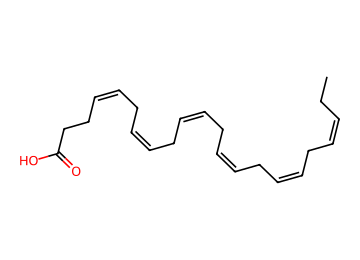
Docosahexaenoic acid (DHA)
Omega-3 (n-3) long-chain polyunsaturated fatty acid, 22:6n-3; PubChem title Doconexent
- Formula
- C22H32O2
- Mol. weight
- 328.5 g/mol
- XLogP3
- 6.2
- TPSA
- 37.3 Ų
- H-bond donors / acceptors
- 1 / 2
- Rotatable bonds
- 14
Computed properties: PubChem CID 445580, retrieved 2026-10-29.
Sources, analysis, stability, absorption and safety
Found in
- Marine microalgae (algal oil); fish, fish oils and krill oils — DHA and EPA are originally synthesized by microalgae at the base of the marine food chain; algal oil supplements usually provide around 100–300 mg DHA [1]
What research reports
- NIH ODS summary of trials of EPA + DHA: VITAL did not significantly reduce the combined rate of major cardiovascular events but reported a statistically significant 28% reduction in total myocardial infarction, with no significant reductions in stroke or cardiovascular death. [1]
- Human trial: in AREDS2 (4203 participants), adding DHA (350 mg) + EPA (650 mg) to the AREDS formulation did not reduce progression to advanced age-related macular degeneration (HR 0.97; 98.7% CI 0.82–1.16). [2]
Stability
- In a third-party database of 1900+ globally sourced fish oil samples, 13.9% exceeded a peroxide value of 5 mEq O2/kg (2.2% above 10), 6.1% of unflavored oils exceeded a p-anisidine value of 20, and 8.8% exceeded the TOTOX limit of 26; median peroxide value of fish oil was similar to that of algal and sunflower oils. [3]
Absorption in people
- In 32 healthy adults (2 weeks, 600 mg DHA/day), algal-oil capsules and cooked salmon each raised DHA by about 80% in plasma phospholipids and about 25% in erythrocytes, and were judged bioequivalent. [4]
- NIH ODS: natural triglycerides in fish oil have somewhat higher bioavailability than ethyl esters, but all forms significantly increase plasma EPA and DHA; krill oil omega-3s are mainly phospholipids, which some studies, but not others, suggest are somewhat more bioavailable. [1]
- DHA is not increased by raising ALA intake, because conversion of ALA to DHA in humans is very low. [5]
Safety
- NIH ODS: FDA has concluded that dietary supplements providing no more than 5 g/day EPA and DHA are safe when used as recommended, and EFSA that combined long-term doses up to about 5 g/day appear safe. Common side effects are usually mild (unpleasant taste, bad breath, heartburn, nausea, gastrointestinal discomfort, diarrhea, headache). Fish oil might prolong clotting times (elevated INR) in people taking warfarin, although most research indicates 3–6 g/day fish oil does not significantly affect anticoagulant status; package inserts advise periodic INR monitoring in patients also taking anticoagulants. [1]
In the Supplements A–Z guide: Omega 3 fatty acids
- NIH Office of Dietary Supplements. Omega-3 Fatty Acids: Fact Sheet for Health Professionals (accessed October 29, 2026; no printed update date), 2026-10-29. ods.od.nih.gov
- AREDS2 Research Group. Lutein + zeaxanthin and omega-3 fatty acids for age-related macular degeneration: the AREDS2 randomized clinical trial. JAMA 2013;309(19):2005-15, 2013-05-15. pubmed.ncbi.nlm.nih.gov
- De Boer AA, et al. Examination of marine and vegetable oil oxidation data from a multi-year, third-party database. Food Chem 2018;254:249-255, 2018-07-15. pubmed.ncbi.nlm.nih.gov
- Arterburn LM, et al. Algal-oil capsules and cooked salmon: nutritionally equivalent sources of docosahexaenoic acid. J Am Diet Assoc 2008;108(7):1204-9, 2008-07. pubmed.ncbi.nlm.nih.gov
- Burdge GC, Calder PC. Conversion of alpha-linolenic acid to longer-chain polyunsaturated fatty acids in human adults. Reprod Nutr Dev 2005;45(5):581-97, 2005-09. pubmed.ncbi.nlm.nih.gov
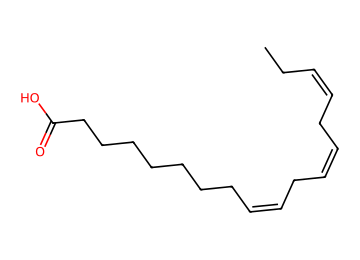
α-Linolenic acid (ALA)
Omega-3 (n-3) polyunsaturated fatty acid, 18:3n-3; PubChem title Linolenic Acid
- Formula
- C18H30O2
- Mol. weight
- 278.4 g/mol
- XLogP3
- 5.9
- TPSA
- 37.3 Ų
- H-bond donors / acceptors
- 1 / 2
- Rotatable bonds
- 13
Computed properties: PubChem CID 5280934, retrieved 2026-10-29.
Sources, analysis, stability, absorption and safety
Found in
- Flaxseed (linseed), soybean and canola oils; chia seeds and walnuts — seed oil; seed; nut [1]
What research reports
- The principal biological role of ALA appears to be as a precursor for the synthesis of longer-chain n-3 polyunsaturated fatty acids (review of human tracer and supplementation studies). [2]
How it is identified and measured
- Fatty-acid composition of seed oils and capsules is determined by capillary gas chromatography (as used for evening primrose oil products). [3]
Stability
- Oxidation of polyunsaturated oils is monitored by peroxide value, p-anisidine value, TOTOX and acid value; in a third-party database of 1900+ fish oil samples, 13.9% exceeded a peroxide value of 5 mEq O2/kg, and median peroxide value of fish oil was similar to algal and sunflower oils (class-level data, not ALA-specific). [4]
Absorption in people
- Increasing ALA intake for weeks to months raises EPA in plasma lipids, blood cells and breast milk but does not increase DHA; stable-isotope studies show conversion of ALA to EPA is limited in men and further conversion to DHA very low, with greater fractional conversion in women. [2]
- NIH ODS: conversion of ALA to EPA and then to DHA is very limited, with reported rates of less than 15%. [1]
In the Supplements A–Z guide: Flaxseed · Omega 3 fatty acids · Sea buckthorn
- NIH Office of Dietary Supplements. Omega-3 Fatty Acids: Fact Sheet for Health Professionals (accessed October 29, 2026; no printed update date), 2026-10-29. ods.od.nih.gov
- Burdge GC, Calder PC. Conversion of alpha-linolenic acid to longer-chain polyunsaturated fatty acids in human adults. Reprod Nutr Dev 2005;45(5):581-97, 2005-09. pubmed.ncbi.nlm.nih.gov
- Gibson RA, Lines DR, Neumann MA. Gamma linolenic acid (GLA) content of encapsulated evening primrose oil products. Lipids 1992;27(1):82-4, 1992-01. pubmed.ncbi.nlm.nih.gov
- De Boer AA, et al. Examination of marine and vegetable oil oxidation data from a multi-year, third-party database. Food Chem 2018;254:249-255, 2018-07-15. pubmed.ncbi.nlm.nih.gov
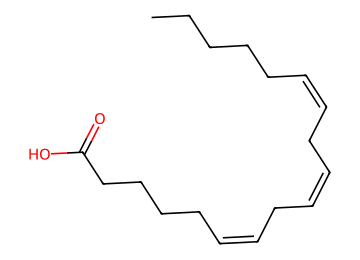
γ-Linolenic acid (GLA)
Omega-6 (n-6) polyunsaturated fatty acid, 18:3n-6
- Formula
- C18H30O2
- Mol. weight
- 278.4 g/mol
- XLogP3
- 5.9
- TPSA
- 37.3 Ų
- H-bond donors / acceptors
- 1 / 2
- Rotatable bonds
- 13
Computed properties: PubChem CID 5280933, retrieved 2026-10-29.
Sources, analysis, stability, absorption and safety
Found in
- Oenothera biennis L. or Oenothera lamarckiana L. (evening primrose) — seed (fatty oil obtained by extraction and/or expression) [1]
- Evening primrose oil capsules (16 brands) — GLA 7% to 10% in 14 brands (mean 8.7%, range 1.9–10.5%) [2]
- Borage oil — seed oil; studied alongside evening primrose oil for its GLA content [3]
What research reports
- Cochrane review (27 trials, 1596 participants): oral evening primrose oil and borage oil, thought beneficial because of their GLA content, failed to significantly improve global eczema symptoms versus placebo; the authors concluded further trials would be hard to justify. [3]
- The EU herbal monograph (EMA/HMPC/753041/2017, 5 June 2018) registers evening primrose oil only for traditional use: symptomatic relief of itching in acute and chronic dry skin conditions, based on long-standing use. [1]
How it is identified and measured
- The fatty-acid composition of evening primrose oil capsules was determined by capillary gas chromatography; low levels of the monoenes 22:1 and 24:1 in some brands may indicate contamination with borage oil (lab study). [2]
Standardization
- Measured GLA generally agreed with manufacturers' label claims across 16 evening primrose oil capsule brands. [2]
- Evening primrose oil in EU herbal medicinal products complies with Ph. Eur. monograph 2104. [1]
Absorption in people
- In 29 volunteers given 1.5–6.0 g/day GLA, serum GLA and its elongation product dihomo-γ-linolenic acid (DGLA) increased at 3.0 and 6.0 g/day; DGLA, but not arachidonic acid, accumulated in neutrophil glycerolipids, while serum arachidonic acid increased in all subjects. [4]
Safety
- The EU monograph lists gastrointestinal effects, indigestion, nausea, softening of stool, rise in temperature, hypersensitivity reactions such as exanthema, and headache; overdose causes mild diarrhea; use in pregnancy, lactation and children under 12 is not recommended for lack of data. [1]
- The Cochrane review reports mild, transient, mainly gastrointestinal adverse effects similar to placebo, a case report warning of potential inflammation, thrombosis and immunosuppression with use beyond one year, and a study finding that EPO may increase bleeding in people taking warfarin. [3]
In the Supplements A–Z guide: Evening primrose oil · Spirulina
- EMA HMPC. European Union herbal monograph on Oenothera biennis L. or Oenothera lamarckiana L., oleum (EMA/HMPC/753041/2017), 2018-06-05. ema.europa.eu
- Gibson RA, Lines DR, Neumann MA. Gamma linolenic acid (GLA) content of encapsulated evening primrose oil products. Lipids 1992;27(1):82-4, 1992-01. pubmed.ncbi.nlm.nih.gov
- Bamford JT, et al. Oral evening primrose oil and borage oil for eczema. Cochrane Database Syst Rev 2013;(4):CD004416, 2013-04-30. pubmed.ncbi.nlm.nih.gov
- Johnson MM, et al. Dietary supplementation with gamma-linolenic acid alters fatty acid content and eicosanoid production in healthy humans. J Nutr 1997;127(8):1435-44, 1997-08. pubmed.ncbi.nlm.nih.gov
Amino acids, amines and peptides
What they are. Plant actives built on an amino acid or a simple amine rather than a ring alkaloid skeleton: free amino acids such as L-theanine, and adrenergic amines such as p-synephrine.
Examples. L-theanine, p-synephrine
How they are measured. L-theanine has been determined by reversed-phase HPLC after precolumn derivatization (o-phthalaldehyde with fluorescence, or phenylisothiocyanate with UV); amines in supplements are quantified by LC-MS/MS, and chiral HPLC distinguishes plant-derived R-(−)-synephrine from racemic synthetic material.
Handling and absorption. These small polar compounds are absorbed quickly (L-theanine peaked at 0.8 h; synephrine Tmax 90 min). Label accuracy is a recurring quality issue: only 5 of 23 bitter orange products that declared synephrine contained 80–120% of the labeled amount.
Sources: Thippeswamy R, et al. Determination of theanine in commercial tea by liquid chromatography with fluorescence and diode array ultraviolet detection. J Agric Food Chem 2006;54(19):7014-9 (PMID 16968057); Pawar RS, et al. Analysis of bitter orange dietary supplements for natural and synthetic phenethylamines by LC-MS/MS. Drug Test Anal 2020;12(9):1241-1251 (PMID 32497396); Koh AHW, et al. Racemic synephrine found in Citrus aurantium-listing pre-workout supplements suggests a non-plant-based origin. Drug Test Anal 2021;13(8):1569-1575 (PMID 33834625); Scheid L, et al. Kinetics of L-theanine uptake and metabolism in healthy participants are comparable after ingestion of L-theanine via capsules and green tea. J Nutr 2012;142(12):2091-6 (PMID 23096008); Haller CA, et al. Hemodynamic effects of ephedra-free weight-loss supplements in humans. Am J Med 2005;118(9):998-1003 (PMID 16164886)
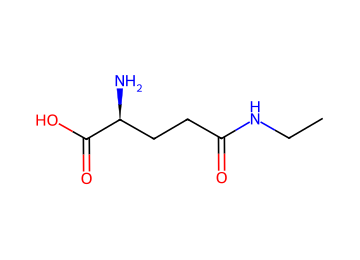
L-Theanine
Non-protein amino acid (L-glutamylethylamide)
- Formula
- C7H14N2O3
- Mol. weight
- 174.20 g/mol
- XLogP3
- -3.6
- TPSA
- 92.4 Ų
- H-bond donors / acceptors
- 3 / 4
- Rotatable bonds
- 5
Computed properties: PubChem CID 439378, retrieved 2026-10-29.
Sources, analysis, stability, absorption and safety
Found in
- Camellia sinensis (tea) — leaves, where it is the most abundant free amino acid (40–70%); content is higher in roots than in other tissues [5]
- Commercial tea — leaves (2–5 mg/g theanine) [1]
What research reports
- Systematic review of 9 human RCTs: 200–400 mg/day of L-theanine supplements may help reduce stress and anxiety in people exposed to stressful conditions; longer, larger studies are needed. [2]
How it is identified and measured
- Two RP-HPLC methods with precolumn derivatization, o-phthalaldehyde with fluorescence (LOQ 0.35 µg) and phenylisothiocyanate with diode-array UV (LOQ 0.75 ng), for theanine in tea leaves; recoveries 93–99.3%. [1]
Absorption in people
- Randomized crossover study, 12 healthy participants, 100 mg L-theanine from capsules or green tea: plasma peaked at 0.8 h (24.3 ± 5.7 and 26.5 ± 5.2 µmol/L); AUC rose with dose from 50 to 200 mg. L-Theanine appears to be hydrolyzed to ethylamine and glutamic acid, which rose in plasma and urine. [3]
Safety
- FDA GRAS Notice 209 (L-theanine as an ingredient in several food categories up to 250 mg per serving): FDA had no questions (closed February 5, 2007). This concerns food use, not dietary supplements. [4]
In the Supplements A–Z guide: L theanine · Green tea
- Thippeswamy R, et al. Determination of theanine in commercial tea by liquid chromatography with fluorescence and diode array ultraviolet detection. J Agric Food Chem 2006;54(19):7014-9 (PMID 16968057), 2006-09-20. pubmed.ncbi.nlm.nih.gov
- Williams JL, et al. The effects of green tea amino acid L-theanine consumption on the ability to manage stress and anxiety levels: a systematic review. Plant Foods Hum Nutr 2020;75(1):12-23 (PMID 31758301), 2020-03. pubmed.ncbi.nlm.nih.gov
- Scheid L, et al. Kinetics of L-theanine uptake and metabolism in healthy participants are comparable after ingestion of L-theanine via capsules and green tea. J Nutr 2012;142(12):2091-6 (PMID 23096008), 2012-12. pubmed.ncbi.nlm.nih.gov
- U.S. FDA. GRAS Notice Inventory: GRN No. 209, L-theanine (closure February 5, 2007), 2007-02-05. hfpappexternal.fda.gov
- Tai Y, et al. Comparative transcriptomic analysis reveals regulatory mechanisms of theanine synthesis in tea (Camellia sinensis) and oil tea (Camellia oleifera) plants. J Agric Food Chem 2019;67(36):10235-10244 (PMID 31436988), 2019-09-11. pubmed.ncbi.nlm.nih.gov
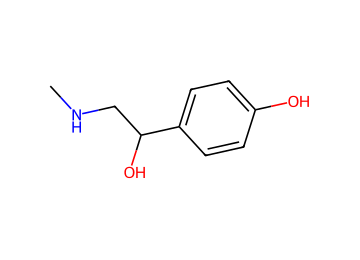
p-Synephrine
Phenethylamine (adrenergic amine); PubChem record without defined stereochemistry, while bitter orange contains mainly R-(−)-synephrine
- Formula
- C9H13NO2
- Mol. weight
- 167.20 g/mol
- XLogP3
- -0.6
- TPSA
- 52.5 Ų
- H-bond donors / acceptors
- 3 / 3
- Rotatable bonds
- 3
Computed properties: PubChem CID 7172, retrieved 2026-10-29.
Sources, analysis, stability, absorption and safety
Found in
- Citrus aurantium (bitter orange) — fruit [1]
What research reports
- NCCIH (November 2024), about bitter orange: not clearly shown to help any health purpose; effects on body weight are unclear and most small studies on athletic performance showed no benefit. p-Synephrine is structurally similar to ephedrine but has different pharmacologic properties. [1]
How it is identified and measured
- Validated LC-MS/MS method (FDA authors) for five natural amines (synephrine, octopamine, tyramine, N-methyltyramine, hordenine) and four synthetic phenethylamines (phenylephrine, methylsynephrine, etilefrine, isopropyloctopamine) in dietary supplements; recoveries 88–125%, RSD 0.5–7.0%. [2]
- Validated chiral HPLC-UV-MS method (cellobiohydrolase column, 225 nm) for synephrine enantiomers; Citrus aurantium standard reference materials averaged an R:S ratio of 94:6, while racemic synephrine suggests a synthetic source. [3]
Standardization
- Of 59 US products labeled to contain bitter orange, 23 declared synephrine but only 5 contained 80–120% of the labeled amount; six contained the synthetic amine methylsynephrine (up to 240 mg per daily serving) and one isopropyloctopamine, neither permitted in dietary supplements. [2]
- Citrus aurantium standard reference materials contained 5.7–90.2 mg/g total synephrine; of 12 pre-workout supplements listing C. aurantium, only 5 had enantiomer ratios consistent with the plant. [3]
Absorption in people
- Ten healthy adults (randomized, placebo-controlled crossover): dose-adjusted synephrine pharmacokinetics were similar for two products, with Tmax 90 min and half-life 3.0 h. [4]
Safety
- In the same study, a multi-ingredient product with 5.5 mg synephrine raised systolic and diastolic blood pressure, whereas a C. aurantium product with 46.9 mg synephrine did not; both raised heart rate at 6 h. The authors attributed the pressor effect mainly to caffeine and other stimulants in the multi-component formula. [4]
- NCCIH: serious events such as abnormal heart rhythms, heart attacks and strokes have been reported with bitter orange products, mostly multi-ingredient, so the role of bitter orange or p-synephrine is unclear; it may not be safe in pregnancy or breastfeeding. The NCAA lists synephrine (bitter orange) as a banned stimulant. [1]
In the Supplements A–Z guide: Bitter orange
- NCCIH. Bitter Orange: Usefulness and Safety (last updated November 2024), 2024-11. nccih.nih.gov
- Pawar RS, et al. Analysis of bitter orange dietary supplements for natural and synthetic phenethylamines by LC-MS/MS. Drug Test Anal 2020;12(9):1241-1251 (PMID 32497396), 2020-09. pubmed.ncbi.nlm.nih.gov
- Koh AHW, et al. Racemic synephrine found in Citrus aurantium-listing pre-workout supplements suggests a non-plant-based origin. Drug Test Anal 2021;13(8):1569-1575 (PMID 33834625), 2021-08. pubmed.ncbi.nlm.nih.gov
- Haller CA, et al. Hemodynamic effects of ephedra-free weight-loss supplements in humans. Am J Med 2005;118(9):998-1003 (PMID 16164886), 2005-09. pubmed.ncbi.nlm.nih.gov
Phloroglucinols, capsaicinoids and other
What they are. A residual class for actives whose defining structure falls outside the other classes. In this set it holds the capsaicinoids (vanillylamides of fatty acids; TRPV1 agonists) and hyperforin (a prenylated phloroglucinol derivative).
Examples. Capsaicin, hyperforin
How they are measured. LC-ESI-MS and HPLC for capsaicinoids (European Pharmacopoeia minimum 0.4% total capsaicinoids, as capsaicin, in Capsici fructus); LC-MS/MS for hyperforin in plasma (LLOQ 1 ng/mL).
Handling and absorption. Hyperforin is unstable in acidic aqueous solution, more so under light; St. John's wort preparations induce CYP3A4 and other enzymes through PXR, and the degree of CYP3A4 induction correlates with hyperforin content. The EU monograph sets interaction warnings by daily hyperforin dose (above or below 1 mg). Capsaicinoids degrade under UV light and high-power processing and keep better at 4 °C.
Sources: EMA HMPC. Assessment report on Capsicum annuum L. var. minimum (Miller) Heiser and small fruited varieties of Capsicum frutescens L., fructus (EMA/HMPC/674138/2013, 5 May 2015); EMA HMPC. European Union herbal monograph on Hypericum perforatum L., herba, Revision 1 (EMA/HMPC/7695/2021, 23 November 2022); Thompson RQ, et al. Quantitative determination of capsaicinoids by liquid chromatography-electrospray mass spectrometry. Anal Bioanal Chem 2005;381(7):1441-51 (PMID 15803309); Biber A, et al. Oral bioavailability of hyperforin from hypericum extracts in rats and human volunteers. Pharmacopsychiatry 1998;31 Suppl 1:36-43 (PMID 9684946); Ang CY, et al. Instability of St. John's wort (Hypericum perforatum L.) and degradation of hyperforin in aqueous solutions and functional beverage. J Agric Food Chem 2004;52(20):6156-64 (PMID 15453681); Zhang R, et al. Insights into the stability of carotenoids and capsaicinoids in water-based or oil-based chili systems at different processing treatments. Food Chem 2021;342:128308 (PMID 33051097); Nicolussi S, et al. Clinical relevance of St. John's wort drug interactions revisited. Br J Pharmacol 2020;177(6):1212-1226 (PMID 31742659)
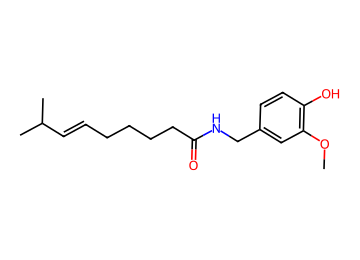
Capsaicin
Capsaicinoid (vanillylamide of a branched-chain fatty acid); TRPV1 agonist
- Formula
- C18H27NO3
- Mol. weight
- 305.4 g/mol
- XLogP3
- 3.6
- TPSA
- 58.6 Ų
- H-bond donors / acceptors
- 2 / 3
- Rotatable bonds
- 9
Computed properties: PubChem CID 1548943, retrieved 2026-10-29.
Sources, analysis, stability, absorption and safety
Found in
- Capsicum annuum L. var. minimum (Miller) Heiser and small-fruited varieties of Capsicum frutescens L. — dried ripe fruit; capsaicin is 63–77% of total capsaicinoids [2]
What research reports
- EU herbal monograph (2015), well-established use of capsicum preparations applied to the skin (e.g. medicated plaster): relief of muscle pain such as low back pain. Capsaicin first triggers local irritation, attributed to substance P release, then repeated application leads to long-term desensitization to burning and pain. [1]
- Capsaicin activates the transient receptor potential vanilloid 1 (TRPV1) channel on sensory neurons; TRPV channels also respond to elevated temperature and acids and are ion channels selective for calcium, magnesium and sodium (EMA assessment report). [2]
How it is identified and measured
- Validated LC-ESI-MS for eight natural capsaicinoids with norcapsaicin as internal standard; positive-ion ESI was most sensitive (detection limit 5 pg injected), with repeatability 4% and recovery 99–103% in chili fruit and a commercial extract. [3]
Standardization
- European Pharmacopoeia Capsici fructus (monograph 1859), as cited by EMA: minimum 0.4% total capsaicinoids, expressed as capsaicin (dried drug). Constituent range: 0.3 to more than 1% capsaicinoids, of which 63–77% capsaicin, 20–32% dihydrocapsaicin and 1–8% nordihydrocapsaicin. [2]
Stability
- In chili-based foods, high-power ultrasonic and microwave processing and ultraviolet light reduced capsaicinoid content; capsaicinoids were more heat-stable in an oil-based system than in chili juice, and storage at 4 °C significantly delayed their degradation. [4]
Absorption in people
- Twelve healthy volunteers given 5 g Capsicum frutescens orally: plasma capsaicin Cmax 2.47 ± 0.13 ng/mL at 47.08 ± 1.99 min, AUC0–t 103.6 ± 11.3 ng·min/mL, half-life 24.87 ± 4.97 min (HPLC). [5]
- EU monograph: capsaicin is absorbed through the skin, with animal data suggesting 27–34% systemic bioavailability after topical application; absorbed capsaicin is metabolized mainly in the liver. [1]
Safety
- EU monograph (topical plaster): marked skin reddening and warmth are part of the expected action; skin hypersensitivity and allergic reactions (urticaria, blisters) occur rarely. Contraindicated with hypersensitivity to capsaicinoid sources such as pepper or chili, and on broken skin, wounds or eczema. [1]
- EMA HMPC. European Union herbal monograph on Capsicum annuum L. var. minimum (Miller) Heiser and small fruited varieties of Capsicum frutescens L., fructus (EMA/HMPC/674139/2013, 5 May 2015), 2015-05-05. ema.europa.eu
- EMA HMPC. Assessment report on Capsicum annuum L. var. minimum (Miller) Heiser and small fruited varieties of Capsicum frutescens L., fructus (EMA/HMPC/674138/2013, 5 May 2015), 2015-05-05. ema.europa.eu
- Thompson RQ, et al. Quantitative determination of capsaicinoids by liquid chromatography-electrospray mass spectrometry. Anal Bioanal Chem 2005;381(7):1441-51 (PMID 15803309), 2005-04. pubmed.ncbi.nlm.nih.gov
- Zhang R, et al. Insights into the stability of carotenoids and capsaicinoids in water-based or oil-based chili systems at different processing treatments. Food Chem 2021;342:128308 (PMID 33051097), 2021-04-16. pubmed.ncbi.nlm.nih.gov
- Chaiyasit K, et al. Pharmacokinetic and the effect of capsaicin in Capsicum frutescens on decreasing plasma glucose level. J Med Assoc Thai 2009;92(1):108-13 (PMID 19260251), 2009-01. pubmed.ncbi.nlm.nih.gov
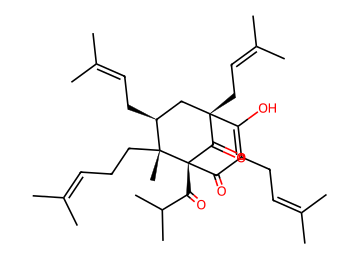
Hyperforin
Prenylated acylphloroglucinol (phloroglucinol derivative)
- Formula
- C35H52O4
- Mol. weight
- 536.8 g/mol
- XLogP3
- 9.6
- TPSA
- 71.4 Ų
- H-bond donors / acceptors
- 1 / 4
- Rotatable bonds
- 11
Computed properties: PubChem CID 441298, retrieved 2026-10-29.
Sources, analysis, stability, absorption and safety
Found in
- Hypericum perforatum L. (St. John's wort) — dried flowering tops (herba) [2]
What research reports
- Laboratory: hyperforin is a potent ligand of the pregnane X receptor (Ki 27 nM), and hyperforin or hypericum extracts markedly induced CYP3A4 expression in primary human hepatocytes. [3]
- EU monograph (2022): naphthodianthrones (e.g. hypericin), phloroglucinol derivatives (e.g. hyperforin) and flavonoids contribute to the activity of St. John's wort extracts. [1]
How it is identified and measured
- Validated LC-MS/MS for hyperforin in human plasma with a lower limit of quantification of 1 ng/mL; HPLC-UV was used at the higher concentrations seen in rats. [4]
- HPLC for hypericin, pseudohypericin, hyperforin and adhyperforin, with LC-MS/MS and NMR to identify hyperforin degradation products. [5]
Standardization
- Ph. Eur. quantified dry extract (monograph 1874), as cited by EMA: total hypericins 0.10–0.30%, flavonoids at least 6.0%, hyperforin at most 6.0% and not more than the labeled content. Commercial batches reported 1.5–4.4% hyperforin, or <0.2% for the extract Ze 117. [2]
- Hyperforin extraction depends strongly on solvent: about 60% of the herb's hyperforin is extracted with 70% ethanol versus 20% with 50% ethanol; a herbal tea infusion carried only about 1% of the hyperforin present in the herb (EMA). [2]
Stability
- St. John's wort marker compounds were unstable in acidic aqueous solution, more so under light, with hyperforin and adhyperforin decreasing most; furohyperforin, furohyperforin hydroperoxide and furohyperforin isomer a were the major hyperforin degradation products in acidic solution. [5]
Absorption in people
- Healthy volunteers, 300 mg extract tablets with 14.8 mg hyperforin: plasma peaked at about 150 ng/mL after 3.5 h, half-life 9 h, mean residence time 12 h; kinetics were linear up to 600 mg extract, with less-than-proportional Cmax and AUC at 900–1200 mg, and no accumulation on repeated dosing. [4]
- EU monograph: maximum hyperforin levels are reached about 3–4 h after administration, elimination half-life is about 15–63 h, and hyperforin can cross the blood–brain barrier. [1]
Safety
- EU monograph: hyperforin induces CYP3A4, CYP2B6, CYP2C9, CYP2C19 and P-glycoprotein dose-dependently through PXR, which may accelerate elimination of other drugs. Concomitant use with coumarin-type anticoagulants, cyclosporine, everolimus, sirolimus, systemic tacrolimus, indinavir and other protease inhibitors, among others, is contraindicated for well-established-use extracts and for traditional-use products delivering more than 1 mg hyperforin daily; for traditional-use products with 1 mg or less daily, used up to 2 weeks, no clinically relevant interactions are reported. [1]
- Review: the degree of CYP3A4 induction by St. John's wort preparations correlates significantly with their hyperforin content; interactions have altered the pharmacokinetics of cyclosporine, digoxin, tacrolimus, indinavir, warfarin, alprazolam, simvastatin and oral contraceptives. [6]
- NIH LiverTox: St. John's wort has not been convincingly implicated in acute liver injury, but may increase the hepatotoxicity of other agents through drug interactions. [7]
In the Supplements A–Z guide: St johns wort
- EMA HMPC. European Union herbal monograph on Hypericum perforatum L., herba, Revision 1 (EMA/HMPC/7695/2021, 23 November 2022), 2022-11-23. ema.europa.eu
- EMA HMPC. Assessment report on Hypericum perforatum L., herba, Revision 1 (EMA/HMPC/244315/2016, 23 November 2022), 2022-11-23. ema.europa.eu
- Moore LB, et al. St. John's wort induces hepatic drug metabolism through activation of the pregnane X receptor. Proc Natl Acad Sci U S A 2000;97(13):7500-2 (PMID 10852961), 2000-06-20. pubmed.ncbi.nlm.nih.gov
- Biber A, et al. Oral bioavailability of hyperforin from hypericum extracts in rats and human volunteers. Pharmacopsychiatry 1998;31 Suppl 1:36-43 (PMID 9684946), 1998-06. pubmed.ncbi.nlm.nih.gov
- Ang CY, et al. Instability of St. John's wort (Hypericum perforatum L.) and degradation of hyperforin in aqueous solutions and functional beverage. J Agric Food Chem 2004;52(20):6156-64 (PMID 15453681), 2004-10-06. pubmed.ncbi.nlm.nih.gov
- Nicolussi S, et al. Clinical relevance of St. John's wort drug interactions revisited. Br J Pharmacol 2020;177(6):1212-1226 (PMID 31742659), 2020-03. pubmed.ncbi.nlm.nih.gov
- NIH LiverTox (NIDDK). St. John's Wort (last update March 28, 2020); chapter summary as indexed in PubMed (PMID 31644187), 2020-03-28. pubmed.ncbi.nlm.nih.gov
Related pages
Bioactive compound classes: an overview · Botanical encyclopedia (search plants by compound) · Botanical finder · Natural or synthetic · Absorption and pharmacokinetics
Health information notice
These statements have not been evaluated by the Food and Drug Administration. Nothing on this site is intended to diagnose, treat, cure or prevent any disease. The information is for general education only. It is not medical advice and does not replace advice, diagnosis or treatment from a qualified health professional, or any medication a clinician has prescribed.
Do not start, stop or change any medicine, supplement or herbal product because of something you read here. Talk to your doctor or pharmacist first, especially if you are pregnant or breastfeeding, have a medical condition, take any medicines, are preparing for surgery, or are caring for a child. Research findings, traditional uses and safety data are reported as their sources state them; they are not recommendations or claims about any product. If you think you may have a medical emergency, call your doctor or 911 at once.
EUTECNIQ Sciences sells no supplements or health products today and receives nothing from any product or ingredient mentioned on this site; any commercial interest it later has in an ingredient will be stated on that ingredient’s page.